
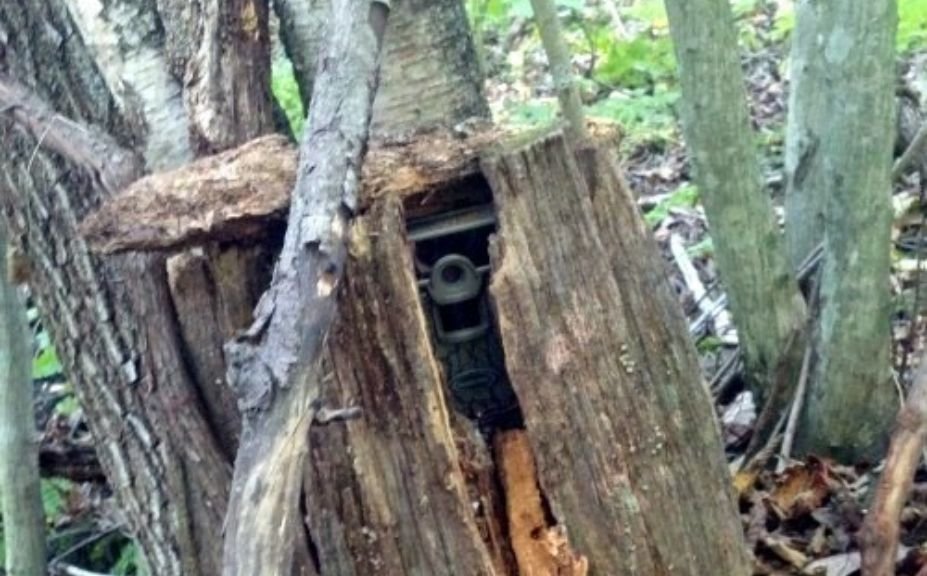
Hiding a game camera effectively involves using natural camouflage like foliage, positioning it off game trails, and angling it away from direct sunlight, blending it into its surroundings.
Want to capture those elusive wildlife moments without spooking your subjects? Figuring out how to hide a game camera is essential for getting the best footage. The key lies in blending your camera into the natural environment, avoiding obvious placement and using what nature offers for concealment.
You can use branches, leaves, and even dirt to make your camera less noticeable. Careful placement away from heavily used trails also helps keep your setup discreet. The fewer eyes that spot the device, the more authentic the recorded scenes.

How to Hide a Game Camera
Alright, let’s get into the nitty-gritty of keeping your game camera hidden! You’ve got your awesome camera, ready to capture those amazing wildlife moments, but the last thing you want is for it to be spotted by unwanted visitors – whether that’s curious people or even the very animals you’re trying to photograph! So, how do we become stealthy camera ninjas? It’s all about blending in and using a few clever tricks.
Understanding Your Surroundings
Before you even think about mounting your camera, take a good look around. What’s the terrain like? Is it a dense forest, an open field, or a mix of both? The kind of environment you’re in will greatly affect how you hide your camera. You also need to pay attention to the typical animal paths. You want your camera to capture the action, not be a random decoration in the woods.
Analyzing the Environment
- Forests: Look for spots with dense undergrowth, behind large trees, or among fallen logs.
- Fields: Consider using fence posts, natural dips in the terrain, or the edge of a woodlot.
- Transition Zones: These areas where one type of habitat meets another are often hotspots for wildlife activity. Try the edge of a field bordering a forest.
- Water Sources: Places like ponds, streams, and even small puddles are popular with animals. This can be a very good place to set up a game camera, but always be careful of the water and never install a camera to any public area or water body.
Think about the direction of the sun too. You don’t want the sun shining directly into your camera lens, causing glare and bad photos. Place it where the sun will illuminate the area but not the camera lens itself.
Choosing the Right Camera
The camera you use can affect how easy it is to hide. Here’s what to keep in mind:
Camera Features for Stealth
- Size Matters: Smaller cameras are generally easier to conceal. Think about a compact model rather than a bulky one.
- Camouflage Pattern: Look for cameras with a camouflage pattern that matches your environment. Greens and browns work well in forests, while tans and grays are better for open fields.
- No-Glow Infrared LEDs: When choosing a game camera, choose a camera with no glow infrared LEDS because some cameras have red glow infrared which makes them easily detectable, especially at night.
- Fast Trigger Speed: A fast trigger speed captures the movement quickly, so you won’t miss a thing if an animal is quickly passing by.
Placement Strategies: The Art of Concealment
Okay, now that we understand our environment and our camera, let’s talk placement. This is where the real magic happens. The key to a successful setup is to not think of your camera as just a piece of equipment, but as part of the landscape.
Blending In
- Natural Camouflage: Look for spots where your camera can naturally blend in. Use tree bark, leaves, and branches to your advantage. Tuck the camera behind a branch, or among some bushes.
- Height Considerations: Don’t always place the camera at eye level. Sometimes, placing it a bit higher or lower can make it harder to spot. Remember to take into account the size of the animals you are trying to capture.
Going Deeper: Specific Techniques
Using Natural Cover
- Behind Trees: Position the camera on the side of a tree opposite the trail you’re watching, using the tree to help conceal the camera.
- Among Bushes: Carefully place the camera in or near a dense bush. This provides good cover, but make sure that nothing will move in front of the camera and create false triggers.
- Fallen Logs: Use fallen logs as natural barriers to hide your game camera. They offer good cover and are a great way to secure your camera.
Creating Artificial Cover
Sometimes, you may need to create your own cover. Don’t overdo it and make it look artificial. Use natural materials from the area to create a natural look.
- Small Branches: Use small branches to cover and camouflage your camera to create a more natural look, but don’t obstruct the lens.
- Leaves and Foliage: If appropriate, you can carefully drape some leaves or foliage over the camera body, blending it into its environment.
- Artificial Camo Covers: There are special camo covers you can get for your cameras that add another layer of concealment.
Understanding Camera Angles
It’s not all about just hiding the camera. The direction and angle of the camera are also very important. You need to find the perfect angle to ensure you capture the images you want, without the camera being easily spotted.
- Avoid Direct Lines of Sight: Don’t put the camera directly facing a trail or path where it will be easily visible. Try to angle the camera to capture animals from the side or at an angle.
- Elevation Adjustments: Don’t always position your camera parallel to the ground. Adjust it to point slightly down. You can do this by mounting it to a tree at an angle. This also helps to capture smaller animals.
- Consider Distance: Make sure the camera is close enough to capture good images, but far enough that it won’t be spotted by an animal at a short distance.
- Adjust the settings of your camera to your needs: Some cameras have very wide viewing angles. Consider using an angle which covers your targeted area without pointing to the open area. This also saves camera battery.
Mounting Your Camera Securely and Discreetly
The way you mount your camera is just as important as where you place it. Here are the things you need to consider:
Camera Mounting Options
- Straps: Most game cameras come with straps for securing to a tree or post. Make sure the strap is tight and the camera doesn’t move. Use a camouflaged strap that blends in with the surroundings.
- Mounting Brackets: Mounting brackets that are attached to a tree are a good option. These make the camera more sturdy and easier to adjust.
- Tripods: A tripod can be good for open areas where there aren’t many trees, but don’t make it more visible, hide it with natural elements.
- Cable Locks: This is a very good idea, especially if your camera is in a place where you are worried about it being stolen. A cable lock provides good security but do not draw attention with flashy or bright colors, go with a dull or natural-looking color.
Securing Your Camera
A securely mounted camera is not only harder to remove, but also gives you consistent images. This can be achieved by using the right tools and strategies.
- Use Screws Carefully: If using screws to secure your camera, be very careful. Do not screw into the tree trunk itself. Instead, use a mounting bracket. This helps not to damage the trees.
- Check for Wobble: Once your camera is mounted, check to make sure it is stable and won’t move in the wind. A wobbly camera leads to blurry photos.
Regular Maintenance: Keeping it Hidden
Once you’ve hidden your game camera, it doesn’t mean your work is done! You need to do some regular maintenance to make sure your camera is still hidden and working.
Check Your Camouflage
- Seasonal Changes: As the seasons change, so does the foliage. You’ll need to adjust your camera’s camouflage as needed to ensure it remains concealed.
- Weather Damage: Make sure your foliage or natural cover is not damaged by the weather.
- Animal Interference: Make sure there aren’t any animal markings on or around your game camera. Animals may damage or remove your camo if they are curious about it.
Battery and Memory Checks
A game camera with a dead battery or full memory card is useless. Make sure you do regular checks on the game camera so it’s always working.
- Battery Life: Make sure the batteries are charged and ready to go. You can use rechargeable batteries to save on costs.
- Memory Card Space: Check your memory card regularly to make sure there’s enough space for new images. Make sure you use good quality memory cards.
Stealthy Visits
- Minimize Your Footprint: When checking your camera, try to be as quiet as possible and avoid leaving traces, such as food wrappers.
- Avoid the Same Time: Try not to visit your camera at the same time every day. This will reduce the chances of animals noticing a regular pattern.
The Importance of Ethics
It’s important to be ethical with your game camera. This means respecting wildlife and the environment, and never doing anything that could harm or disrupt the animals you’re photographing.
Respecting Wildlife
- No Baiting or Luring: Don’t use baits or lures to attract animals to your camera. This can interfere with their natural patterns and behavior.
- Keep Your Distance: Don’t place your camera too close to any wildlife nests or dens. This may disturb them and scare the animals.
Respecting Others
- Public Areas: Respect the privacy of others. If you are in a public area, be mindful that you’re not photographing people or private property.
- Private Land: Always get permission before placing your camera on someone else’s land. This is important for being respectful and avoiding legal issues.
So there you have it, a complete rundown of how to hide a game camera like a pro. Remember, it’s all about thinking like a ninja – blending in, using your surroundings, and being stealthy. With these tips, you’ll be sure to capture those amazing shots without your camera being detected.
10 Tips to keeping your trail cameras from getting stolen on public land.
Final Thoughts
Camouflaging with natural elements like branches and leaves effectively conceals your camera. Consider the angle and direction when you position it. Placement is vital.
Properly concealing the camera body and lens prevents easy spotting. The key lies in blending it into the existing environment.
Therefore, understanding how to hide a game camera involves camouflage, clever positioning, and minimizing visibility. Your success depends on how well you make it disappear into the background.

