
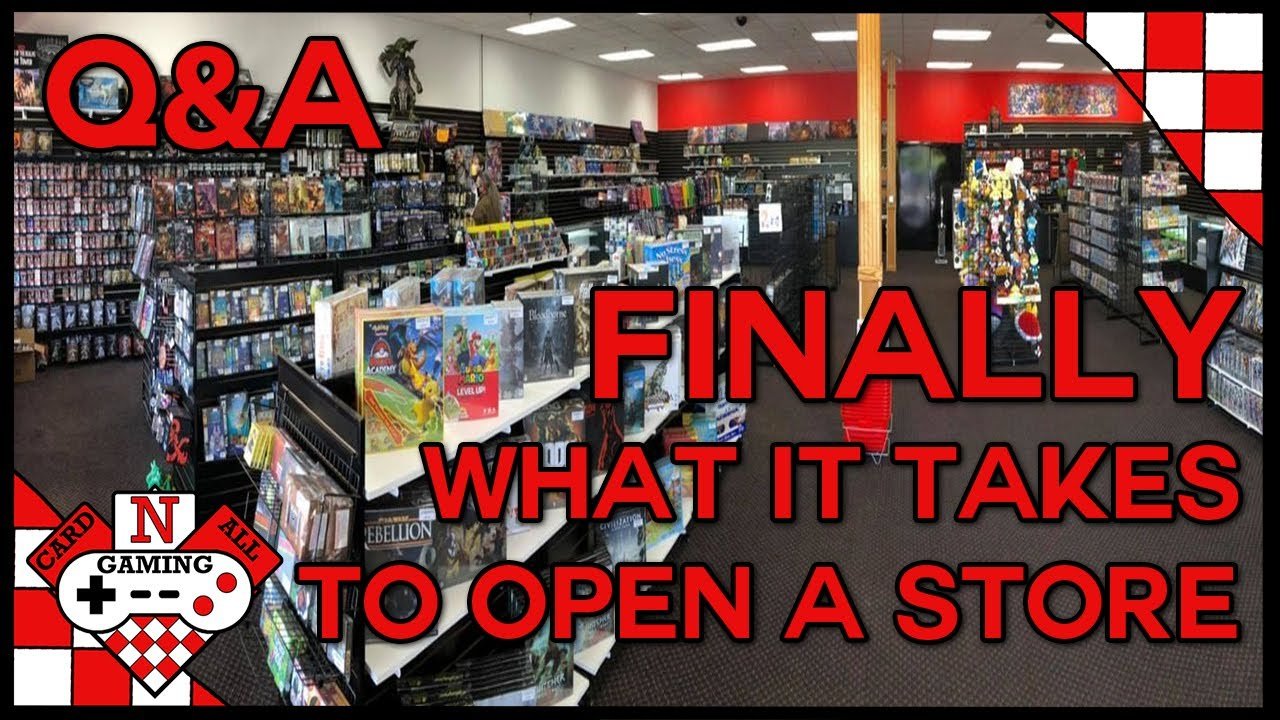
Opening a game shop requires developing a business plan, securing funding, finding a good location, acquiring inventory, and then marketing your store.
Ever dreamt of turning your passion for games into a thriving business? Many enthusiasts ponder how to open a game shop, envisioning shelves stocked with their favorite titles. The reality involves careful planning and execution.
It’s more than just a love for games; it needs a solid business approach. From choosing the right products to reaching your target audience, this journey has many exciting steps.

How to Open a Game Shop: A Comprehensive Guide
So, you love games? Video games, board games, card games – all of them? And you’ve dreamed of turning that passion into a business? Opening a game shop can be an incredibly fun and rewarding experience. But it’s also a lot of hard work. It’s not just about playing games all day (though that’s a perk!). It takes careful planning, dedication, and a good understanding of what it takes to run a successful business. This guide will walk you through everything you need to know, from initial ideas to opening day and beyond. Let’s get started!
Planning Your Game Shop
Before you even start thinking about shelves and inventory, you need a solid plan. This is the foundation of your entire business. Let’s look at the key elements:
Define Your Niche
What kind of game shop do you want to be? The gaming world is HUGE. Will you focus on:
- Video games? (New releases, retro consoles, indie titles?)
- Board games? (Family games, strategy games, party games?)
- Collectible card games? (Magic: The Gathering, Pokémon, Yu-Gi-Oh!?)
- Role-playing games? (Dungeons & Dragons, Pathfinder?)
- A mix of everything?
It’s often better to start with a specific focus. This will help you target your ideal customer and become an expert in your chosen area. You can always expand later!
Write a Business Plan
A business plan is like a roadmap for your shop. It outlines everything you need to do, from finding funding to marketing your shop. It doesn’t have to be complicated, but it should cover these key aspects:
- Executive Summary: A brief overview of your business idea.
- Company Description: What kind of shop will it be? What makes you special?
- Market Analysis: Who are your customers? Who are your competitors? What are their strengths and weaknesses? Researching your local area is very important!
- Products and Services: What will you sell? What extra services might you offer (like tournaments, game nights, or repairs)?
- Marketing and Sales Strategy: How will you reach customers? What will your advertising look like?
- Management Team: Who will be running the shop? What are their skills and experiences?
- Financial Projections: How much will it cost to start? How much money do you expect to make? This is a very important part.
- Funding Request: If you need to borrow money, how much do you need?
A solid business plan is crucial for securing funding and staying on track as you move forward.
Funding Your Dream
Starting a game shop requires money. Here are common ways to find the funds:
- Personal Savings: Using your own money is a good way to avoid debt.
- Loans from Banks or Credit Unions: These usually require a solid business plan and good credit.
- Small Business Grants: Government or non-profit organizations sometimes offer grants to small businesses.
- Crowdfunding: Platforms like Kickstarter or GoFundMe can help you raise money from supporters.
- Investors: Someone might be interested in putting money into your shop in exchange for a share of the business.
It is helpful to make a realistic budget to see where your money needs to go. Don’t forget about unexpected expenses!
Finding the Perfect Location
The location of your game shop is extremely important. It can make a huge difference in your success. Here are some factors to consider:
Accessibility and Visibility
- High Traffic Area: A location where lots of people walk or drive by is ideal. This increases visibility.
- Easy to Find: Make sure the shop is easy for customers to locate and access. Good signage helps.
- Parking: If your customers are likely to drive, be sure there’s enough parking.
- Public Transport: If you are in a city, make sure it’s close to public transport to get more customers
Size and Layout
- Enough Space: You will need enough room for shelves, displays, and maybe even tables for playing games.
- Comfortable Environment: Make the space inviting and enjoyable for customers to hang out in.
- Storage Space: Don’t forget about the space needed to store extra inventory.
Consider the Neighborhood
- Demographics: Does the area have a good number of people who might be interested in your games?
- Competition: Are there other game shops nearby? If so, how will you stand out?
- Rent Costs: Is the rent affordable for your budget?
Spend some time exploring different locations and consider which one works best for your business.
Stocking Your Shelves
Now it’s time to fill your shop with games! Choosing the right inventory is key to attracting customers.
Sourcing Games
- Wholesalers and Distributors: These companies buy games in bulk and sell them to retailers like you.
- Direct from Publishers: Some game companies sell directly to retailers.
- Consignment: You can sell games for individuals and take a percentage of the sale.
- Used Games: Buy and sell used games to attract customers with a low budget.
Curating Your Selection
- Popular Games: Stock the latest and most popular games that people are actively looking for.
- Niche Titles: Offer unique and hard-to-find games that might not be available elsewhere.
- Variety: Offer a mix of different types of games to attract a wide range of customers.
- Price Points: Make sure you have games at different price points to suit various budgets.
Managing Your Inventory
- Track Your Stock: Use software or a spreadsheet to keep track of what you have in stock.
- Reorder Regularly: Make sure you don’t run out of popular items.
- Rotate Stock: Change the layout of your shelves from time to time to draw attention to different games.
Your inventory is the heart of your game shop. Choose wisely and keep it fresh!
Setting Up Your Shop
Now for the fun part – making your shop look great! Here are some key aspects of setting up your physical space:
Layout and Displays
- Easy Navigation: Arrange your shelves so that customers can easily move around and find what they are looking for.
- Attractive Displays: Use displays to highlight new releases, popular games, and special offers.
- Play Area: If possible, set up an area where customers can play games, test games, and participate in events.
Creating an Atmosphere
- Comfortable Lighting: Use warm, inviting lighting to create a pleasant atmosphere.
- Music: Choose music that matches the vibe of your shop.
- Cleanliness: Keep the shop clean and well-maintained.
- Decorations: You can hang posters, artwork, or other decorations relevant to gaming.
Essential Equipment
- Point of Sale (POS) System: You’ll need a way to handle sales and track inventory.
- Shelves and Display Cases: These are essential for showcasing your products.
- Tables and Chairs: For game playing and events.
- Security System: To protect your inventory.
- Credit Card Reader: For accepting different forms of payments.
Make your shop a place where people love to spend time!
Marketing Your Game Shop
A great shop won’t succeed if no one knows about it. It’s crucial to have good marketing strategy. Here are different ways to get the word out:
Online Presence
- Website: Having your own website is important so that people find your location and other information.
- Social Media: Create accounts on platforms like Facebook, Instagram, and Twitter to connect with potential customers.
- Local Online Directories: List your shop on Google Maps and other online directories.
- Online Ads: You can use Facebook, Google, or other online platforms to create targeted ads.
Offline Marketing
- Local Newspapers and Magazines: Consider advertising in local publications.
- Flyers and Posters: Distribute flyers and posters in your local area.
- Community Events: Participate in local fairs and festivals to promote your shop.
- Partnerships: Partner with other local businesses for promotions.
Special Events and Activities
- Game Nights: Host regular game nights to bring people to your shop.
- Tournaments: Organize tournaments for popular games to draw in competitive players.
- Product Demos: Host demos of new games and products.
- Guest Speakers: Invite game designers or other experts to speak at your shop.
Building a Community
- Be Friendly and Helpful: Create a welcoming environment for all customers.
- Listen to Feedback: Take customer feedback to improve your shop.
- Engage With Customers: Talk to your customers about their gaming interests.
- Encourage interaction between customers: Try to connect like minded customers.
By marketing your shop effectively, you can attract new customers and build a loyal following. Create a community, and they will come!
Operating Your Game Shop
The day-to-day operations of your shop are just as important as the initial planning and setup. Keep everything running smoothly by following these steps:
Customer Service
- Train Your Staff: Make sure your staff is friendly, knowledgeable, and helpful.
- Handle Complaints Professionally: When customers have issues, resolve them fairly and quickly.
- Build Relationships: Get to know your regular customers and build relationships.
Financial Management
- Track Your Expenses: Keep careful records of all your income and expenses.
- Monitor Cash Flow: Make sure you have enough money to pay your bills and reorder inventory.
- Review your financials regularly: So that you can make adjustments when needed.
Legal and Regulatory Matters
- Business Licenses and Permits: Ensure you have all the licenses and permits you need to operate legally.
- Sales Tax: Collect sales tax properly.
- Insurance: You will need the right insurance for your business.
- Legal Advice: Seek legal advice to make sure you comply with all regulations.
Adapting and Growing
- Stay Current With Trends: Keep up with the latest trends in gaming.
- Try New Things: Don’t be afraid to experiment with new products, services, or marketing strategies.
- Listen to Your Customers: Take feedback and adjust your shop to better serve your customers.
Running a successful game shop requires ongoing effort and attention to detail, but it is an exciting and interesting career!
Starting a game shop is a fantastic endeavor that combines passion with business acumen. It’s more than just selling games; it’s about creating a community, fostering shared experiences, and sharing the joy of gaming with others. This guide has covered the main areas you need to focus on, from planning and finding a location to marketing and operations. Remember, with dedication and hard work, your dream of owning a game shop can become a reality. It’s a lot of work, but also incredibly rewarding.
How To Open A Local Game Store Part 1: Step By Step Guide To Launch Your RPG, and Board Game Shop
Final Thoughts
Starting a game shop requires careful planning, securing funding, and finding the right location. You must also curate an appealing inventory and develop a strong marketing plan.
Obtaining necessary licenses and permits is crucial for legal operation. Building relationships with suppliers ensures consistent stock. Focus on providing excellent customer service to build loyalty.
Ultimately, how to open a game shop involves meticulous preparation and dedication. You must manage your finances well and adapt to the evolving gaming market for success.

