
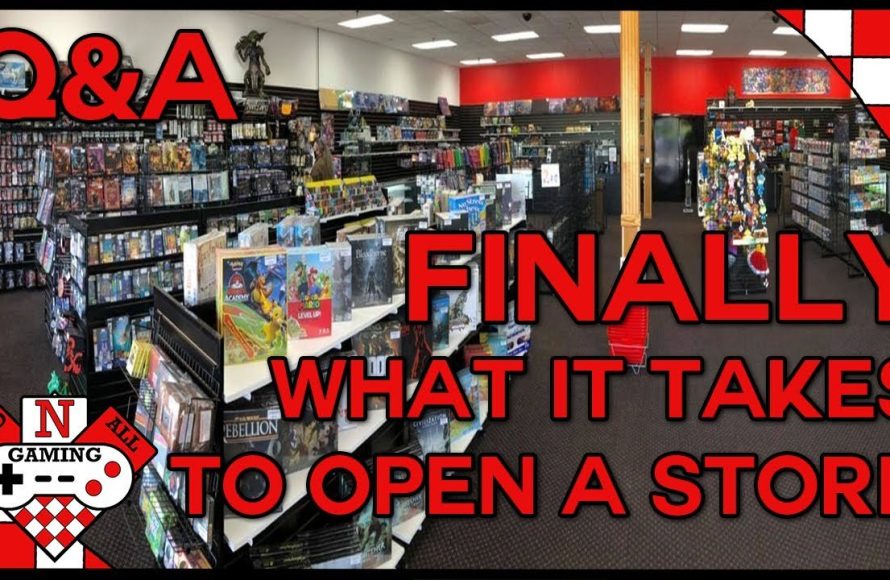
Opening a game store requires a solid business plan, securing funding, finding a suitable location, obtaining necessary licenses, stocking inventory, and effective marketing.
Ever dreamt of turning your passion for games into a thriving business? Many aspire to know how to open game store. It’s definitely more than just having a large collection and a love for playing.
Starting your own store demands meticulous planning and a clear understanding of the retail landscape. It involves a lot of work.
This guide will walk you through the essential steps, from crafting a business strategy to reaching your first customers.

How to Open a Game Store: A Complete Guide
So, you dream of owning a game store? That’s awesome! It’s more than just selling games; it’s about creating a community, sharing your passion, and helping people have fun. But before you jump in, let’s talk about what it really takes to make your game store a success. This guide is your treasure map to navigate the exciting world of opening your very own game store.
Planning Your Game Store
Before you buy a single board game or video game console, you need a solid plan. Think of it as building the foundation for your awesome game store castle!
Business Plan Basics
A business plan is like the instruction manual for your store. It helps you stay on track and shows banks or investors that you’re serious. Here’s what you need to think about:
- Executive Summary: This is a quick overview of your entire plan. Think of it as your elevator pitch to explain what your game store is about.
- Company Description: What makes your game store special? What kind of games will you focus on—video games, board games, trading card games, or all of them? Will you host events? Will you have a playing area?
- Market Analysis: Who are your customers? How many other game stores are in your area? What are their strengths and weaknesses? Understanding your local market helps you know what to offer and how to stand out.
- Organization and Management: How will your store be structured? How many employees will you need? How will you manage daily operations?
- Service or Product Line: What exactly will you sell? New games, used games, accessories, drinks, or snacks? Will you offer services like game rentals or repairs?
- Marketing and Sales Strategy: How will you get the word out about your store? What about loyalty programs? Think about flyers, social media, and local events.
- Funding Request: How much money will you need to start and run your store? Where will you get this money from—loans, personal savings, or investors?
- Financial Projections: How much money do you expect to make? When do you expect to turn a profit? You need to have some realistic financial goals.
Choosing a Niche
It’s hard to be everything to everyone. You should choose a niche or focus. Think about what you love and what your local community needs. Some ideas might be:
- Board Game Specialists: If you love board games, you could specialize in harder-to-find titles, family games, or cooperative games.
- Video Game Experts: Focus on the latest releases, retro games, or specific consoles. Maybe you could become known for having the best selection of indie games.
- Trading Card Game Haven: Become the go-to place for Magic: The Gathering, Pokémon, or Yu-Gi-Oh! tournaments.
- Miniature Wargaming HQ: Focus on the complex world of tabletop wargames like Warhammer 40K.
- Combination Store: Offer a mix of popular categories if you think the market supports it.
Finding the Right Location
Where your store is located is super important. You want to be somewhere that’s easy for people to find and visit. Consider these factors:
- Visibility: Can people easily see your store from the street?
- Accessibility: Is there good parking, or is it near public transportation?
- Foot Traffic: Is your location near other shops or restaurants that will bring people to your area?
- Competition: Are there other game stores nearby?
- Cost: Can you afford the rent or mortgage in this location?
- Size: Do you have enough room for your inventory and a potential gaming area?
Setting Up Your Game Store
Now that you’ve planned everything, it’s time to bring your game store to life! This part is about getting all the practical things in place.
Legal Stuff and Permits
It’s not the most fun part, but it’s essential. Here’s what you need to do before you open your doors:
- Business Structure: Will your store be a sole proprietorship, a partnership, or a limited liability company (LLC)?
- Business Name Registration: You’ll need to register your store’s name with the appropriate government authorities.
- Employer Identification Number (EIN): You’ll need this if you plan to hire employees.
- Sales Tax Permit: You’ll need this to collect and pay sales taxes.
- Local Business Licenses and Permits: Check with your city or county to find out what other permits and licenses you need.
Sourcing Your Inventory
You need a good supply of games to sell. You have a few options:
- Wholesale Distributors: These companies sell games to retailers at discounted prices. They’re a great source for new releases.
- Direct from Publishers: Some publishers sell directly to stores. This can be a good option if you’re specializing in a certain type of game.
- Used Game Sources: You could buy used games from individuals or other retailers. Just make sure they’re in good condition.
- Consignment: Let people sell their used games in your store and get a percentage of the sale.
Setting Up Your Store
Creating the right atmosphere is key. You want your store to be a fun, inviting place where people want to spend time. Here are some things to consider:
- Layout: How will you arrange your displays? Think about how people will move around your store. You might want to create a specific area for trading card games, board games, and video games.
- Shelving and Displays: Make sure your shelves and displays are sturdy and attractive. Keep the games organized and easy to find. Consider adding some fun displays to showcase new releases or popular titles.
- Point of Sale (POS) System: You’ll need a system for ringing up sales, managing inventory, and keeping track of your customers.
- Gaming Area: If you have space, create an area where people can play games. This could be a few tables and chairs, or a more elaborate gaming space with custom terrain for wargames.
- Lighting and Ambiance: Good lighting is important for making your store look inviting. Music can also add to the atmosphere.
Running Your Game Store
Opening your doors is just the beginning! Now you need to make sure your store runs smoothly and that customers come back again and again.
Marketing and Promotion
No one will come if they don’t know you’re there! Make sure to market your game store. Here’s how:
- Create a Website and Social Media Accounts: Share news about new games, events, and special offers. Post pictures and videos to show off your store.
- Local Advertising: Place ads in local newspapers, radio stations, or community websites.
- Community Engagement: Get involved with local gaming clubs or organizations. Sponsor events or offer discounts to members.
- Host Regular Events: Organize tournaments, game nights, demos, and more to attract new and returning customers.
- Run Promotions and Discounts: Offer special deals or loyalty programs to encourage repeat business.
- Encourage Word-of-Mouth: Give customers a great experience so they’ll tell their friends.
Customer Service
Happy customers are repeat customers. Focus on providing excellent customer service:
- Be Knowledgeable: Know your games and be able to answer customer questions.
- Be Friendly and Helpful: Greet customers with a smile and be willing to help them find what they need.
- Handle Complaints Quickly: Address customer concerns and issues promptly and professionally.
- Build Relationships: Get to know your customers and their gaming preferences.
Inventory Management
Keeping track of your inventory is important to avoid running out of popular items, or being stuck with games no one wants.
Here are a few tips:
- Use a Point-of-Sale (POS) System: These systems can help you track inventory, sales, and customer data.
- Regular Inventory Checks: Check your inventory on a regular basis to identify items you need to reorder.
- Track Sales Data: Pay attention to what sells well and what doesn’t. This helps you make informed decisions about future purchases.
- Manage Overstock: If you have a lot of a particular game that isn’t selling, consider putting it on sale or bundling it with other games.
Financial Management
Running a game store means running a business. You must manage your finances carefully. You should keep track of:
- Track Your Revenue: Keep detailed records of all sales and income.
- Manage Your Expenses: Keep track of all your costs, including rent, utilities, inventory, and employee wages.
- Create a Budget: Make a budget and stick to it. This will help you manage your cash flow and avoid overspending.
- Pay Your Taxes: Make sure you pay your taxes on time to avoid penalties.
Growing Your Game Store
Once your store is established, think about ways to grow your business and reach more customers. Here are some ideas:
Expanding Your Product Line
Consider adding new products or services. Maybe you could:
- Sell Collectibles: Add miniatures, figurines, and other collectible items.
- Offer Game Repairs: If you have the skills, offer repairs for video game consoles or handheld devices.
- Sell Food and Drinks: Add snacks, drinks, or even a small coffee bar.
- Add More Events: Host more types of events, including tournaments for different games, cosplay events, or painting workshops.
Building Your Community
Make your game store a place where people want to hang out. Think of your shop as the town square for game lovers. You could do things like:
- Start a Gaming Club: Start a regular gaming club for a specific game or a general gaming club.
- Host Special Events: Organize special events like release parties or meet-and-greets with game designers.
- Create a Social Media Community: Create a Facebook group or Discord server for your customers to connect with each other.
- Collaborate with Local Businesses: Partner with local restaurants or other businesses to cross-promote.
How to Open A Local Game Store- Motivation
Final Thoughts
To summarize, meticulous planning is essential for how to open game store. Secure funding, then choose a good location and select your inventory. Marketing strategies attract customers, while excellent customer service keeps them returning. Remember to comply with all business regulations.
Finally, manage your finances carefully and adapt to the market trends. These steps are critical to running a successful game store.

