
The key to outsmarting someone who plays mind games is to recognize their tactics, detach emotionally, and set firm boundaries, ultimately choosing not to participate in their manipulative schemes.
Ever feel like you’re walking on eggshells around someone? It’s frustrating when you suspect they are deliberately trying to manipulate your thoughts and feelings. You’re not alone, many people struggle with the question of how to outsmart someone who plays mind games. This behavior can range from subtle emotional jabs to full-blown manipulation. We will explore ways to effectively handle such situations, reclaiming your peace of mind.

How to Outsmart Someone Who Plays Mind Games
Okay, so you’ve noticed someone in your life likes to play mind games. It can be tricky and frustrating, like trying to solve a puzzle that keeps changing its rules. But don’t worry, you don’t have to be a victim. You can learn ways to deal with these situations and even turn the tables a little bit. Let’s dive deep into the world of mind games and figure out how to not get caught in their web. We’ll cover everything from spotting the tricks to strategies that can really help you feel more in control. This isn’t about becoming a mind game master yourself, it’s about protecting your mental peace and building stronger, healthier relationships.
Understanding the Mind Game Player
Before we start working on strategies, it’s helpful to know what makes a mind game player tick. It’s like learning about your opponent in a game before you begin playing. Usually, these individuals want to control situations and the people in their lives. They seek this control in different ways and it’s not always obvious. Sometimes, it comes from their own feelings of insecurity or maybe they have learned these manipulative behaviors from someone else.
The Motivations Behind the Games
It’s helpful to understand that their motivations aren’t always evil or sinister. They might not even realize that they are making someone feel bad. Here are some common reasons why people engage in mind games:
Seeking Validation: They might need constant reassurance or attention and use games to get that.
Fear of Vulnerability: Sometimes people don’t know how to express their needs directly, so they use manipulation instead.
Need for Control: They might feel anxious or powerless in other areas of their life and use mind games to gain a sense of power.
Learned Behavior: They may have seen these behaviors in others growing up and think it is a normal way to interact.
Self-Esteem Issues: Often, individuals with low self-worth seek external validation through manipulation.
Common Mind Game Tactics
Mind games come in many shapes and sizes. Recognizing them is the first step towards protecting yourself. Here are a few common tricks these individuals might use:
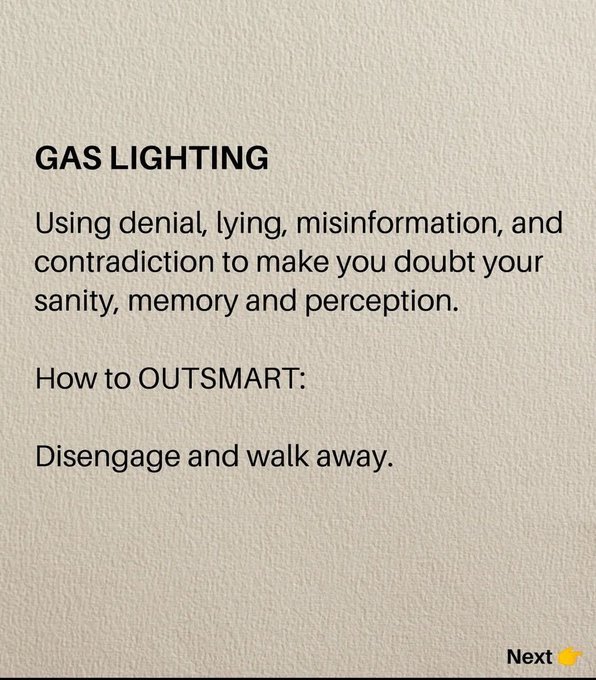
Gaslighting: This is where someone tries to make you doubt your own sanity or memory. They might deny things they said or did or say you are overreacting.
Guilt Trips: They try to make you feel guilty for something so you will do what they want.
Playing the Victim: They often portray themselves as helpless to make you feel sorry for them, thereby manipulating you into helping them or doing things they want.
Silent Treatment: When they don’t get their way, they might give you the cold shoulder to make you feel anxious and to get you to apologize or make amends.
Triangulation: They bring a third person into a disagreement to try and win their point. This could be anything from gossiping about you with a friend to actively bringing another person into a direct argument.
Moving the Goalposts: They will keep changing what they want or need, so you never feel like you can win or that you are enough.
Emotional Blackmail: Using your emotions and fears against you to control you.
Recognizing these tactics will help you develop effective strategies. It’s like knowing what moves your opponent might make in a chess game.
Strategies to Counter Mind Games
Okay, now that we have discussed how mind games are played and why, let’s talk about what we can do about it. It’s important to know that you have options and you don’t have to be at the mercy of someone else’s tricks. The primary goal is to take back control of your thoughts, emotions, and actions.
Maintaining Your Composure
One of the most important things you can do when dealing with someone playing mind games is to stay calm. This might feel difficult, especially when someone is trying to provoke a reaction. But remember, they are feeding off of your reactions. A calm response takes away their power. Try these:
Take Deep Breaths: When you start to feel flustered, take a moment to breathe deeply. This will help clear your mind and allow you to think before reacting.
Observe, Don’t Absorb: Try to see the situation as an observer rather than getting sucked in emotionally. This allows for a more rational approach and prevents them from controlling your reactions.
Detach Emotionally: Separate your feelings from their actions. Understand that their behavior is a reflection of them, not a reflection of you.
Setting Firm Boundaries
Boundaries are like invisible fences that protect your space. They tell others what behavior is acceptable and what is not. Setting and maintaining boundaries is crucial when dealing with someone who plays mind games.
Identify Your Limits: Know what you are and are not willing to tolerate. Make a mental list or write them down.
Communicate Clearly: Tell the other person what is okay and not okay in a calm and direct way. For example, “I don’t appreciate it when you raise your voice at me, let’s try to speak calmly.”
Enforce Consistently: Once you have set boundaries, stick to them. If you let them slide once, the person will think they can get away with it again. Consistency is key.
Be Prepared to Say “No”: Don’t feel obligated to always say yes to every request or suggestion they make. If it goes against your boundaries, it is okay to say no.
Effective Communication Techniques
Communication is a critical part of any relationship, especially when dealing with difficult individuals. How you communicate makes a huge difference in the outcome of an interaction. Here are some methods that can be helpful:
Use “I” Statements: Focus on how their actions make you feel, instead of accusing them. For example, instead of saying “You always make me feel guilty”, you could say “I feel guilty when you say things like that.”
Be Assertive, Not Aggressive: Assertiveness means you express your needs clearly and calmly. Aggression is when you attack or blame the other person.
Avoid Getting Defensive: If you become defensive, they may try to turn the tables on you. Stay calm and keep your communication clear and concise.
Reflect Back What You Heard: Reflecting what they said before you respond shows you’re paying attention and makes them feel heard. “So, if I understand you correctly, you’re saying…”
Recognizing and Ignoring the Bait
Mind game players often try to get you to react in a specific way. They throw out “bait” and hope you will take it. It is very similar to fishing. Recognize what they are trying to do and don’t take their bait.
Spot the Pattern: Notice the usual triggers that lead to these situations. Understanding the pattern will help you to spot their game early on.
Delay Your Response: Don’t react immediately to what they say. If you can, give yourself a moment to consider what they said and how you would like to respond.
Refuse to Engage: Sometimes the best response is no response at all. If you feel they are trying to engage you in a power struggle, do not give them what they want. You can change the topic or just walk away.
Change the Subject: If you notice they are trying to manipulate you or start an argument, try to change the conversation to something else. Sometimes this can totally throw them off and end the interaction faster than if you continue to engage.
Seeking External Support
Sometimes, these games can be very hard to deal with on your own. It can be very helpful to talk to others and ask for help. Remember you are not alone. Seeking external support is a sign of strength not weakness.
Talk to Trusted Friends or Family: Talk to people you trust about what you are experiencing. They can provide a fresh perspective and emotional support.
Consider Professional Guidance: A therapist or counselor can help you develop strategies to handle mind game players and teach you how to build resilience.
Support Groups: Support groups provide you with other individuals who are dealing with similar situations. Connecting with others can make you feel less alone and help you feel understood.
Turning the Tables (With Caution)
In some cases, you can turn the tables on a mind game player. However, this must be used with extreme caution and only when you’ve made sure that the tactic won’t affect you negatively. If the person has any history of violence or is prone to anger you should avoid this tactic completely. This isn’t about winning, it’s about showing them that you can’t be manipulated.
Mirroring: Sometimes repeating their words back to them in a neutral tone can make them realize how absurd they are being. They may not even realize they are being manipulative and mirroring them might show them a new perspective on their own actions.
Strategic Inconsistency: If they expect you to react a certain way, do something different. Predictability is their weapon. So being unpredictable throws off their game.
Use Humor: When done right humor can be disarming and lighten the situation. If you are comfortable using humor you can try to use it in these situations. However, you should be careful to use humor wisely.
Real-World Examples and How to Respond
Let’s go through a few scenarios that will likely happen when you encounter a mind game player. By discussing a few examples you will be better able to prepare and respond when you encounter a similar situation.
The Guilt Trip Example
Imagine your friend asks you to help them move furniture on the hottest day of the summer. You really don’t want to, but you feel obligated. They say something like “I am so disappointed in you, I thought you were my friend. If I was asking someone else they would for sure help me.”
How to Respond:
Recognize that they are using a guilt trip.
Use an “I” statement. “I understand that you’re disappointed, but I am not available to help today.”
Set a boundary. “I am happy to help next week if you still need help.”
Don’t apologize for not doing something you don’t want to do.
The Gaslighting Example
Your partner says they never said they would take out the garbage, even though you clearly remember them saying that. They say, “You’re just imagining things, I would never say that.”
How to Respond:
Don’t get into an argument about what was said.
Stand firm in your recollection of events. “I remember you saying it, but if that isn’t how you remember it that is fine. I will take care of the garbage.”
Don’t question your own sanity, as that is what they want.
Focus on the action that needs to happen (the trash going out) instead of the argument about who said what.
The Silent Treatment Example
Your family member is upset with you and starts giving you the silent treatment. They ignore your questions and refuse to make eye contact with you.
How to Respond:
Recognize the behavior for what it is.
Let them know that you are not willing to participate in this behavior. “I can see that you are upset, but I am not comfortable with the silent treatment. I am happy to talk when you are ready.”
Then proceed with your daily activities.
Don’t try to convince them to talk to you and don’t beg them to stop. This is not your responsibility and if you engage this will encourage future silent treatments.
The Moving the Goalposts Example
Your boss asks you to complete a project. You work very hard and finish on time, but then your boss says that it is not good enough, and requests additional work from you.
How to Respond:
Recognize that they are moving the goalposts.
Ask for clarification. “Can you provide me with all of the requirements for this project upfront? This would help me to best prepare and plan.”
Set a boundary. “I need clear and reasonable expectations to do my job well.”
If they continue this behavior, it may be time to consider other employment options.
These are just a few examples and you will likely have to deal with many more scenarios in your life. The most important thing is to be self aware and recognize these situations when they are happening. The more you can recognize their manipulations, the more effectively you can respond and reclaim your power.
Dealing with mind games is a difficult situation that requires knowledge, practice and persistence. You can learn to recognize their tactics, set your own boundaries, and communicate more effectively so that you are not subject to manipulation. Remember, you deserve to have healthy, honest and fulfilling relationships with others.
4 Ways to outsmart women who play games with your heart
Final Thoughts
To outsmart someone who plays mind games, you must recognize their tactics first. This involves identifying manipulation, gaslighting, and emotional blackmail attempts. Once you see the patterns, detach yourself emotionally.
Establish clear boundaries and enforce them firmly. Don’t engage in their game; instead, remain calm and assertive. Focus on your well-being; prioritize your own thoughts and feelings. Remember that these people will rarely change.
Finally, understanding how to outsmart someone who plays mind games provides the best defense. It gives you control and reduces the impact they have. You must protect your mental health; ending the cycle is vital.

