
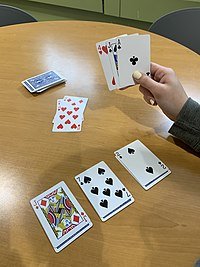
The 10s card game involves matching cards to reach a sum of ten, or creating a run of cards in the same suit, the first to discard all cards wins.
Ever found yourself looking for a simple yet engaging card game? You might be curious about how to play 10s card game, a fantastic option for a quick bit of fun. It’s easy to learn and suitable for all ages, making it a great choice for family game nights or casual play.
This game uses a standard deck of cards, and the aim is to be the first player to get rid of all your cards. You achieve this by making combinations of cards that add up to ten, or by creating sequences of cards. Let’s dive into the simple rules so you can get started quickly.

How to Play 10s Card Game: A Comprehensive Guide
Welcome, fellow card game enthusiasts! Are you ready to dive into the fun and exciting world of the 10s card game? This game is a fantastic choice for players of all ages, from kids to adults. It’s easy to learn, quick to play, and provides a great way to spend quality time with family and friends. Let’s walk through everything you need to know to become a 10s master!
The Basics: What You’ll Need
Before you get started, let’s gather the necessary items. Fortunately, the 10s card game is quite simple in its requirements:
- A Standard Deck of Cards: You’ll need a regular 52-card deck. Jokers are not used in this game, so you can remove them before you start.
- Two or More Players: You can play with two people, or with a whole group. The game is adaptable to different numbers of players.
- A Flat Surface: A table or a floor works perfectly fine for laying out the cards.
Objective of the Game
The main goal in the 10s card game is to get rid of all your cards as quickly as possible. You do this by creating “sets” that add up to ten. A “set” can be made up of two, three, or even four cards. The first player to empty their hand wins the round. Now, let’s explore how these sets are made and how the game flows.
Setting Up the Game
Dealing the Cards
Once you have your materials, it’s time to get the game set up. Here’s a step-by-step process:
- Choose a Dealer: Select one person to be the dealer for the first round. You can rotate the dealer position in subsequent rounds.
- Shuffle the Deck: The dealer shuffles the cards thoroughly, making sure they are mixed well.
- Deal the Cards: The dealer distributes seven cards to each player, one at a time, going around the circle. The remaining cards are placed face down in a pile in the center of the playing area; this is the draw pile.
- Starting the Discard Pile: Flip the top card of the draw pile over and place it next to the draw pile to begin the discard pile. This is the starting point for your first card play.
How to Play: Turns and Card Combinations
Now that the cards have been dealt, we can jump right into playing. The player to the left of the dealer always starts the first turn. Let’s explore how to build sets and discard cards to win:
Understanding Card Values
First, it’s crucial to know the value of each card in the 10s card game:
- Number Cards: Number cards (2 through 9) are worth their face value. For example, a 5 is worth five points.
- 10 Cards: A 10 card is worth ten points.
- Face Cards (Jack, Queen, King): Each of these cards are also worth ten points.
- Ace: An ace is worth one point.
Taking Your Turn
On your turn, you must follow these basic steps:
- Draw a Card: Begin by drawing one card from the top of the draw pile, adding it to your hand.
- Make Sets (if Possible): Next, check your hand for combinations of cards that add up to ten. You can make a set of two, three, or four cards. For example, you can combine a 6 and a 4, or a 2, a 3, and a 5.
- Lay Down Sets: If you have any valid sets, place them face-up in front of you. Note, that you can only lay sets on your turn. If you have no sets you cannot lay down any cards.
- Discard a Card: After you’ve drawn a card and laid down sets (if any), you must discard one card from your hand onto the discard pile, placing it face up on top of the pile.
Important Considerations
- Going Out: The first player to get rid of all their cards wins the round. You will need to form all of your remaining cards into tens sets to win.
- No Card Laying: You cannot lay single cards onto the pile, to get rid of them. If you don’t have any sets to lay down, simply discard a card and pass your turn.
- No Multiple Draws: You can only draw one card per turn, unless special rules are implemented, but that is a variation from the original rule.
- No Discarding Sets: Once you lay down a valid set of cards, it can not be removed or discarded during the game.
Special Rules and Strategies
While the basic rules are straightforward, there are some strategies and variations you can use to enhance your gameplay and make the game more interesting:
Strategic Card Discarding
Think carefully about the card you discard. You generally want to get rid of cards that don’t easily pair up to make ten. If you have a hand full of 6s and 7s you may want to get rid of the cards that are less likely to pair. You need to think ahead about what cards you have and what cards others may want.
Holding Valuable Cards
Try to keep cards that can make different combinations. For example, a 5 can pair with another 5, an Ace and a 4, a 2 and a 3, or even two 2s and an Ace. So you may want to hold on to those flexible cards if you can.
Paying Attention to Discards
Watch what other players discard. This can give you clues about what cards they might be holding and what sets they might be trying to build. This allows you to play smart. The more that you pay attention the better that you will be able to play.
Variations in Gameplay
Sometimes, groups like to introduce their own variations to the game. Here are a few common ones to consider:
- Playing With a Penalty: If a player lays an incorrect set, they must pick up one card from the draw pile for each card in the incorrect set, as a penalty.
- Playing with Multiple Sets: Some players choose to play with a rule where a player can make more than one set during their turn. For example, if you have enough cards you can make two or three sets in a single turn.
- Adding Jokers: Some players include jokers. Jokers can take any value and can be used in any set. Often, a joker can not make a set of its own, or with multiple jokers, but with other cards.
How to Keep Score (Optional)
While some people may play for fun and not keep score, it can add to the competitive spirit of the game. Here’s how you can keep score if you choose:
- Round-Based Scoring: Each round, the player who goes out first gets a score of zero. All other players score points based on the cards remaining in their hand. Number cards are counted at their numerical value. The 10, J, Q, K are worth 10 points each. Aces are worth 1 point each.
- Cumulative Scoring: Keep track of each player’s score through multiple rounds. The player with the lowest score at the end of a predetermined number of rounds wins the game.
- Variations for Scoring: Some players make special rules for scoring like, the first player gets -10 points for winning a round, and all others will have positive points that can be accumulated.
Tips for Beginners
If you are new to 10s, don’t worry. It’s a very easy game to pick up. Here are some simple tips to help you out:
- Start Simple: Focus on creating sets of two to begin with. It’s the most common combination and it is easy to learn.
- Practice Regularly: The more you play, the better you’ll get at spotting sets quickly.
- Don’t Be Afraid to Ask: If you’re unsure of a rule, don’t be afraid to ask. This game should be fun, and the goal is for everyone to enjoy it!
- Be Observant: Pay close attention to the cards that are being played and discarded, it will be a significant help for you.
Why Play 10s?
The 10s card game isn’t just fun; it also has many other advantages:
- Easy to Learn: The rules are simple, making it accessible to all ages and skill levels.
- Great for Socializing: It is a fantastic way to spend time with family and friends, providing some friendly competition and socialization.
- Develops Cognitive Skills: The game encourages strategic thinking, pattern recognition, and concentration, helping you improve mental skills.
- Highly Portable: All you need is a deck of cards, making it the perfect game to take on trips or to play anywhere.
- Adaptable: It’s a great game that can be enjoyed by small groups or larger groups and it can be customized with new rules to increase replay ability.
So there you have it. A complete guide on how to play the 10s card game. It’s easy to learn, fun to play, and a perfect way to spend time with loved ones or on your own. Grab your cards, call your friends, and get ready for a game of ten. You’ll be enjoying the fun and excitement in no time!
Tens card game
Final Thoughts
To summarize, players begin with a hand of cards and take turns playing. Each turn, a player matches cards to total ten, or adds a ten. When a player cannot make a ten, they must draw. The main objective is to get rid of all their cards first.
This game continues until one player successfully plays their final card. This player wins that round. Understanding how to play 10s card game is actually quite simple and quick to learn.

