
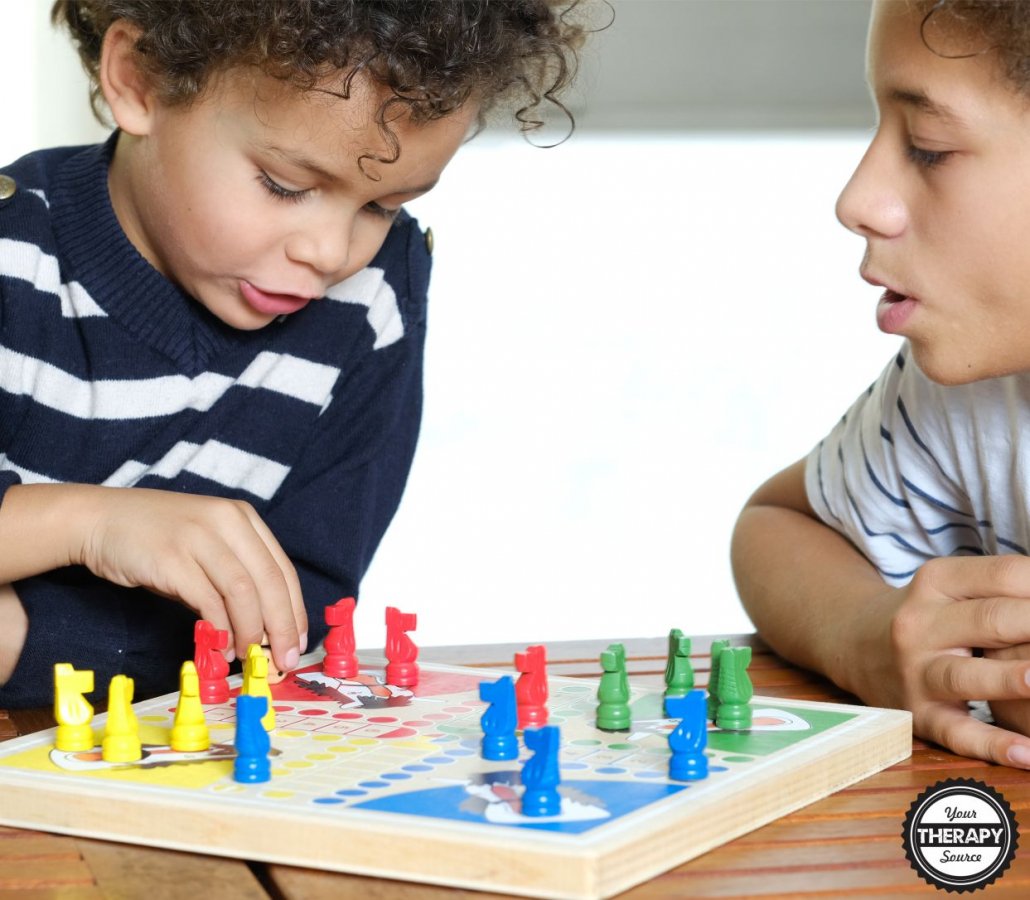
Playing board games typically involves understanding the rules, setting up the game, taking turns, and following the game’s objectives until a winner is declared.
Have you ever stared at a box of colorful components and wondered how to play board games? It seems daunting at first, but it’s actually quite simple once you grasp the basics. Many folks find enjoyment in the social interaction, strategic thinking, and lighthearted competition board games offer.
The journey into board gaming begins with learning the specific rules for each game. Typically these instructions come included in the box. Then it is a matter of playing and experimenting, that is the way of truly enjoying it. So, lets get started!

How to Play Board Games
Board games are fantastic! They bring people together, spark laughter, and even get our brains working. But sometimes, looking at all those pieces and rules can feel a little overwhelming. Don’t worry! Learning how to play board games isn’t as tricky as it might seem. We’re going to walk through it step by step, making it super easy and fun. Whether you’re brand new to the world of tabletop fun or just want a refresher, this is the place to be.
Choosing the Right Game
Before you even open a box, picking the right game is super important. Imagine trying to play a super complicated game when all you wanted was something simple and quick – not much fun, right? Here’s how to choose wisely:
Consider the Players
Think about who will be playing. Are you with little kids, older folks, or a mix? Some games are designed for younger players, focusing on colors and shapes. Others are more strategic and might be better for teens and adults.
- For young kids (5-8 years old): Look for games with simple rules, bright colors, and easy to understand concepts. Think matching games, simple racing games, or games with cooperative play.
- For families with varied ages: Games with adjustable difficulty levels or that involve light strategy and lots of interaction work well. Card games with variable rules can also be a great fit.
- For teens and adults: Strategy-focused games, social deduction games, or complex narrative games can be the best choice.
Think about Time
How much time do you have? Some games take just 15-20 minutes, perfect for a quick play. Others can last for hours, making them best for a dedicated game night. Check the game box; it usually lists the estimated playtime.
- Short games (15-30 minutes): Great for a quick burst of fun or when you don’t have much time.
- Medium games (30-60 minutes): Offer a good balance of strategy and time commitment.
- Long games (60+ minutes): Best for when you have ample time and enjoy a deeper, more involved experience.
Look at the Theme
What kind of story do you want to be a part of? Some games have themes about building cities, exploring space, or battling monsters. Picking a theme that interests you can make the game even more exciting.
- Fantasy: Games with dragons, elves, magic, and mythical creatures.
- Sci-Fi: Games with spaceships, aliens, and future technology.
- Historical: Games based on real events or time periods.
- Abstract: Games without a specific theme, focusing on strategy and mechanics.
Understanding the Game Components
Once you’ve picked a game, take a minute to look at all the pieces. Familiarizing yourself with them makes setting up and playing much smoother.
Game Boards
The game board is where all the action happens! It might have different spaces, pathways, or areas. Take a peek and see how it’s all laid out.
Playing Pieces
These are the things you’ll move around the board. They could be little meeples (small wooden figures), plastic characters, or tokens. Each player usually has their own set.
Cards
Many games use cards. Some might be event cards, character cards, or action cards. They might tell you what to do, give you special abilities, or provide resources.
Dice
Often used to add randomness, dice determine how far you move, how much damage you do, or other game outcomes. Different games can have different sided dice.
Tokens and Markers
These small pieces help track points, resources, or other important game information. They might be coins, gems, or little cardboard chits.
Rulebook
The rulebook is your best friend! It might look intimidating, but it’s where all the important information is stored. We’ll talk more about this in the next section.
Reading the Rulebook (Without Tears!)
Okay, let’s face it – the rulebook can sometimes seem like a foreign language. But breaking it down makes it much less scary. Here’s how to tackle it:
Start with the Basics
Don’t dive into the complex rules right away. Usually, the rulebook starts with the most basic information. Look for sections like “Game Setup,” “Objective of the Game,” and “Basic Gameplay.”
Read Section by Section
Don’t try to read the entire book at once. Read a section, then try to implement that part in the setup, that’s why the “Game Setup” section is important. Once done you can move to the next part. Break it down into smaller chunks to help you understand each aspect before moving forward.
Look for Diagrams
Most rulebooks have pictures and diagrams. These can be super helpful for understanding how the game board is set up, how pieces should be placed, or how different cards should be used.
Pay Attention to Examples
Many rulebooks include examples of how gameplay flows. These examples clarify how certain moves or actions would play out.
Don’t Be Afraid to Look Things Up Again
It’s okay to go back to the rulebook during the game. Everyone does it! If a question comes up, flip to the relevant section to find the answer.
Check Online Resources
If you’re still confused after checking the rulebook, check out websites or YouTube videos that explain the game. Many board game enthusiasts create tutorials that can be really helpful.
Setting Up the Game
Once you’ve read the rulebook, it’s time to set up the game. This is a very important step to ensure smooth gameplay. A good setup makes playing easier and more enjoyable.
Preparing the Board
Place the game board on a flat surface where everyone can reach it easily. Ensure that all required sections of the board are correctly placed.
Placing the Pieces
According to the rulebook, place the playing pieces, tokens, and other components on their starting spots. Some games have specific instructions on how to do this, so follow those carefully.
Sorting the Cards
If your game has cards, sort them as directed. Some might be shuffled and placed face down in a deck, while others may be dealt to players.
Organizing Resources
Set up the game’s resources or markers within easy reach of all players. This could be money, points tokens, or other items that are used during the game.
Player Setup
Each player should receive their starting pieces, cards, and any other specific items they need at the beginning of the game. Make sure everyone is set up correctly before starting.
Taking Your Turn
Now that you’re set up, it’s time to play! Here’s what usually happens on your turn:
Follow the Instructions
Each game will have specific instructions for what you can do on your turn. These instructions will be detailed in the rulebook. This could be anything from rolling dice, moving your piece, drawing cards, or taking certain actions.
Think Strategically
Don’t just make random moves. Think about the goal of the game and what actions will help you achieve it. Plan ahead to get closer to winning.
Interact with Other Players
Many board games involve interaction with other players. This could mean trading resources, attacking opponents, or cooperating on a project. Pay attention to what other players are doing.
Keep Track of Your Progress
Use score markers, tokens, or other methods to track your progress and any changes in your game status.
Ask Questions
If you are ever confused during your turn, don’t hesitate to ask other players or check the rulebook again. Everyone was a beginner at some point.
Understanding Game Mechanics
Game mechanics are like the engines that make the game work. Knowing the most common ones can help you understand how the game flows.
Dice Rolling
Rolling dice is a common way to introduce randomness. The numbers you roll usually determine how far you move or how many points you score. Some dice rolls might trigger specific actions.
Card Drafting
In card drafting, you pick cards from a set and pass the rest to another player. This mechanic allows you to select the cards that are most beneficial to you in the game.
Worker Placement
In worker placement games, you place your worker pieces on different locations on the game board to perform actions. There are sometimes limited spots available, adding a strategic aspect.
Set Collection
In set collection, you collect specific sets of cards or tokens, often for victory points. The different sets can have different values.
Tile Placement
Tile placement involves placing tiles on the board to create patterns or expand the game area. This also might open additional ways for the game to flow.
Area Control
In area control games, you try to claim territory on the game board and gain dominance in certain regions. The more area you control, the more points you usually get.
Cooperative Play
In cooperative games, players work together toward a shared goal. Everyone either wins or loses as a team. This requires collaboration and communication.
Winning and Losing (and Having Fun!)
Okay, so you know how to play, but what’s the point? Well, the point is to have a good time! But, most games have a way to determine a winner.
Determining the Winner
The rulebook will clearly explain how to win the game. This could be having the most points, reaching a certain goal first, or being the last player standing. Understanding the win condition is essential.
Being a Good Sport
Win or lose, it’s important to be a good sport. Congratulate the winner, and remember that it’s all about having fun together. Don’t get upset if things don’t go your way.
Focusing on the Experience
Even when you do not win, playing board games should be a fun experience. The goal is to spend quality time with friends or family and enjoy the journey of playing a game. Even when you lose, there is always something to learn from every game.
Learning from Mistakes
Every game you play is a learning experience. When you lose, try to analyze what went wrong and use that knowledge in future games. The more you play, the better you will become.
Exploring New Games
Once you’re comfortable with one game, try others! There are so many amazing board games out there, each with its own set of rules and challenges. Be open to new experiences and discover your next favorite game!
Board games offer such a wonderful mix of fun, strategy, and social interaction. Remember, the key is to relax, take it step by step, and enjoy the time spent with the people you’re playing with. With a little patience and practice, you’ll be a board game pro in no time. Happy gaming!
How to play Trouble
Final Thoughts
So, gather your friends, choose a game, and read the instructions carefully. Understand the setup, rules, and win conditions before you start. This will prevent confusion and ensure everyone enjoys the experience.
Take turns playing and always be a good sport, whether you win or lose. Remember the goal is to have fun. Learning how to play board games is easy if you practice patience.
Finally, don’t hesitate to ask questions. Most importantly, relax, be present and enjoy the time you spend together.

