
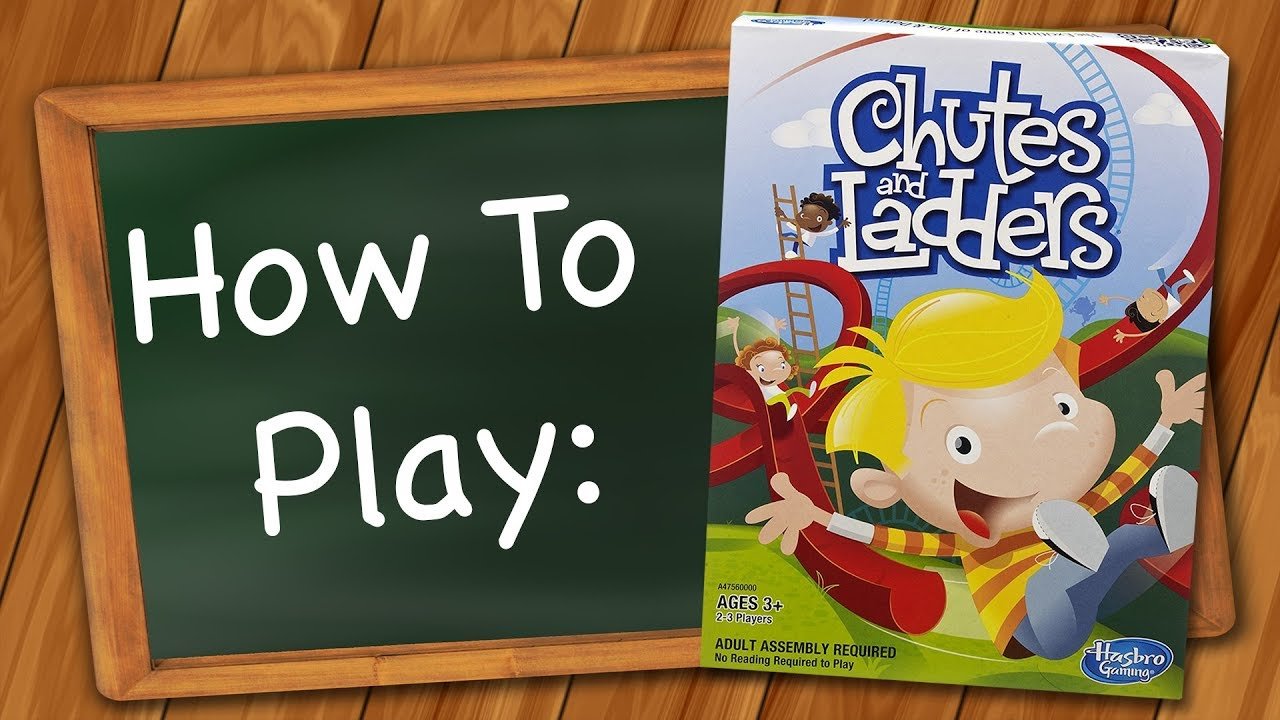
To play Chutes and Ladders, spin the spinner, move your game piece the corresponding number of spaces, and follow the chutes down or ladders up as they are landed on. The first player to reach the 100th square wins.
Ever wondered how to play Chutes and Ladders game? It’s simpler than you might think! This classic board game is a fantastic way to spend time with family.
The basic premise is straightforward, with players moving along a numbered board. The game introduces a fun element of chance as it involves both ladders to climb and chutes to slide down. Learning how to play Chutes and Ladders game is easy and fun for all ages.

How to Play Chutes and Ladders Game: A Comprehensive Guide
Chutes and Ladders, sometimes called Snakes and Ladders, is a classic board game that has delighted children and families for generations. Its simple rules and unpredictable nature make it a perfect choice for young players. This guide will walk you through every step of playing this fun game, from setting up the board to declaring a winner. Get ready for some thrilling ups and downs as we learn how to play Chutes and Ladders!
Understanding the Game Components
Before you can begin, it’s essential to know what’s included in a typical Chutes and Ladders game. Here’s a breakdown of the components you’ll find:
- The Game Board: This colorful board displays a numbered path from 1 to 100 (though some versions might have different numbers). The path zigzags its way across the board. You’ll notice squares with ladders and chutes or slides.
- Playing Pieces: Each player gets a distinct token, which usually comes in different colors.
- Spinner or Dice: To determine how many spaces you move, you’ll use a spinner or a dice. Some versions have a spinner, while others have a six-sided dice.
Setting Up the Game
Getting the game ready to play is quick and easy. Follow these steps:
- Place the Game Board: Lay the board on a flat surface where all players can easily reach it. A table or the floor works perfectly.
- Choose Your Playing Piece: Each player picks a token they want to use throughout the game.
- Start at the Beginning: All players place their tokens on the space marked “1” at the bottom of the game board.
- Prepare the Spinner or Dice: Make sure the spinner is in a good place to spin freely, or get ready to roll the dice.
The Basic Rules of Play
The core gameplay of Chutes and Ladders revolves around moving your playing piece along the numbered path, using the spinner or dice. Here’s how it works:
- Taking Turns: Players take turns spinning the spinner or rolling the dice.
- Moving Your Piece: Whatever number you get from the spin or dice roll, you move your token that many squares forward along the numbered path. For example, if you roll a 3, you move your token forward three squares.
- Climbing Ladders: If your token lands exactly at the bottom of a ladder, you get to climb all the way up to the top of the ladder! This is a shortcut and helps you progress faster.
- Sliding Down Chutes: If your token lands exactly at the top of a chute or slide, you must slide down to the bottom of that chute. This can make you lose some ground, so be careful!
- Winning the Game: The first person to land exactly on square 100 (or the highest numbered square in your version) wins the game. You must get the exact number needed to reach 100. If you roll more than you need to reach 100, you don’t move that turn and you will have to wait for another chance.
Detailed Gameplay Example
Let’s imagine a scenario to see how a turn might go.
- Player 1 starts on square 1. Player 1 spins the spinner and gets a 4. They move their token to square 5.
- Player 2 starts on square 1. Player 2 rolls the dice and gets a 2. They move their token to square 3.
- Player 1’s next turn: Player 1 spins again and gets a 3. They move from square 5 to square 8.
- Player 2’s next turn: Player 2 rolls a 4. They move from square 3 to square 7. Now, they see a ladder! Lucky them, since they landed at the bottom of the ladder they move to the top of the ladder, let’s say, square 14.
- Player 1 continues: Player 1 now rolls a 6. They move from square 8 to square 14. However, they see a slide that starts at square 14! Player 1 has to go to the bottom of the slide, let’s say they go to square 3.
As you can see, sometimes you advance quickly with ladders, and sometimes you take unexpected dips with the chutes! This makes the game unpredictable and exciting.
Strategies for Chutes and Ladders
While Chutes and Ladders is mostly a game of chance, there are a few things to keep in mind that can make the game a little more fun:
- Be aware of shortcuts (ladders) and obstacles (chutes): A quick glance at the board before your turn helps you plan your moves. While you can’t control where you land, you can be ready for either a climb or a slide.
- Don’t get too excited or too sad: One turn might put you close to the finish line, while the next turn might send you back down. It’s all part of the fun!
- Focus on counting carefully: Make sure you count the number of squares to move accurately. This will help you avoid accidentally skipping a ladder or chute, and make sure you move the exact number.
Variations on the Basic Rules
While the core rules of Chutes and Ladders are generally consistent, there may be slight variations depending on the edition you have, or if you are playing with your own house rules. Here are a few common variations you might encounter:
Alternative Board Layouts
Some versions of the game may have a different number of squares or a unique arrangement of ladders and chutes. The basic principle of moving along the path remains, but the board layout can change how frequently you run into ladders or slides.
Different Types of Spinner
Instead of a numbered spinner, some games use a spinner with symbols. Each symbol might represent a different number of spaces to move, or a special action. You will have to read the instructions for that specific game to find out how to play with the symbols. For instance, one might mean “move 2”, another might mean “move 3” and another “move to the next ladder”.
House Rules
Many families create their own rules to add a unique twist to the game. Here are some ideas for house rules:
- The “Boost” Rule: If you land on the bottom of a ladder, you might get to spin again and move a second time to the top of the ladder and then the result of the spin!
- The “Safety Zone” Rule: Create a designated “safety zone” on the board where landing on a chute doesn’t make you go down. This will reduce some the frustrations for the little ones.
- The “Extra Step” Rule: When you slide, you go down to the bottom of the chute, but you get to move one space extra.
Remember to discuss and agree on any house rules before starting the game to avoid confusion and ensure everyone has fun.
Why Chutes and Ladders is Great for Kids
Chutes and Ladders isn’t just a fun pastime. It also provides several educational benefits for young players.
- Number Recognition and Counting: The game helps children practice recognizing numbers, and counting from one to a hundred. This helps children grasp the idea of a number sequence and be more confident when counting.
- Turn-Taking and Patience: Kids learn to wait for their turn, which helps with patience and understanding social interactions.
- Visual Tracking: The game helps develop children’s ability to follow the path with their eyes, while counting spaces, which improves visual tracking skills.
- Understanding Cause and Effect: Kids understand the actions have consequences, such as climbing a ladder or sliding down a chute.
- Handling Ups and Downs: This game teaches children about the ups and downs of life, which is a valuable life lesson. Sometimes things are not going as expected, but that’s ok! This can help develop resiliency.
With its combination of luck and simple rules, Chutes and Ladders is an enjoyable game that offers children a mix of entertainment and educational value.
Tips for Playing with Younger Children
When playing Chutes and Ladders with very young children, it’s important to make it fun and less frustrating. Here are a few tips:
- Count the squares aloud together: Make it a learning experience. As you move the tokens, count the numbers out loud together to help them learn.
- Be patient with the process: Young children might not fully grasp the game at first, which is completely normal. Guide them patiently, without judgment, and make sure the goal is to have fun and learn.
- Celebrate even the smallest wins: Celebrate when a player moves up the ladder or gets close to 100, to encourage them. This can make it a positive experience for young players.
- Simplify the rules: If the game is too hard for younger kids, adjust the rules. For example, you could skip the chutes completely, or you can have a “free turn” whenever they are going down a slide.
- Keep the game short: Young kids usually have a short attention span. Keep the game short to make it fun for all. You can play a few games of short duration instead of one long game.
Making the Game More Engaging
If you want to add more flavor to the game, consider these ideas:
Create a Theme
Transform the board into a specific theme, such as a space adventure, a jungle trek, or a fairy tale journey. Use your imagination to create a story around the game, making it more interesting and personalized.
Use Different Playing Pieces
Instead of standard tokens, use small toys or figures as playing pieces. This can make the game more engaging and personalized, particularly with young children. You can let them choose any miniature figure they want.
Create a Prize System
Make the game more rewarding by introducing small prizes for the winner, such as extra playtime or a small treat. Remember that not every game needs to have prizes, just keep the fun in focus!
Play a Tournament Style
If you have a group of people, make a mini tournament so they can keep track of who won more times.
Make a DIY Board
For a different experience, try making your own Chutes and Ladders board. This can be a fun craft project and allows you to customize the game to your preferences.
Troubleshooting Common Issues
Sometimes, during the game, issues might arise. Here are some ways to handle common situations:
- Token landing on a chute or ladder: The rules are that if the token lands exactly on the bottom of a ladder, or the top of a chute, it should follow that. For clarity, you can always double check the rules provided with your game.
- Disagreements on how to move: Make sure to count out the squares aloud, slowly. You can use your finger to follow the path and make sure you are doing the movement correctly. It will be very helpful for the little ones.
- Someone isn’t having fun: If a player seems frustrated, try to make the experience positive again. This may involve helping them move, creating new rules, or even stopping the game and playing something else. Remember, the main goal of playing is to have fun.
In conclusion, Chutes and Ladders is a fantastic game that brings joy to players of all ages. Its simple rules, engaging gameplay, and educational value make it a great choice for family game nights and playtime with kids. Remember to be patient, have fun, and enjoy the thrilling ups and downs of this classic game. Now that you know how to play, get ready to start your own Chutes and Ladders adventures!
How to play Chutes and Ladders
Final Thoughts
In short, players spin the spinner, move their piece accordingly. Landing on a ladder allows them to climb up, while landing on a chute sends them down. The first person to reach the final square wins. Remember, chance plays a big role in this game.
Navigating the board is simple. This makes how to play chutes and ladders game easy to understand even for young children. The core idea revolves around the board’s random elements. The game must have fun and enjoyment.

