
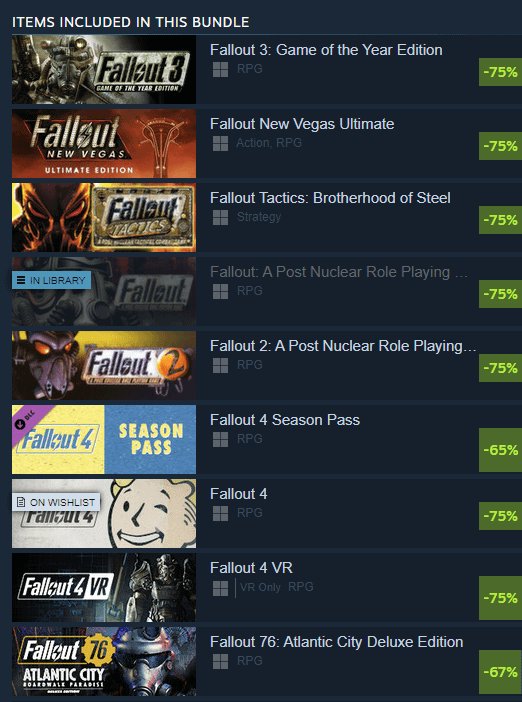
To play Fallout games in order, begin with Fallout, then Fallout 2, followed by Fallout 3, Fallout: New Vegas, Fallout 4, and finally, Fallout 76.
So, you’re diving into the wasteland, but wondering how to play Fallout games in order? It can be a bit confusing with all the entries and spin-offs. The series does have a narrative, albeit one that jumps across time periods.
Playing the games chronologically by release date provides a great way to see how the gameplay and storylines evolved. You get to experience the post-apocalyptic world and its inhabitants as they were originally envisioned. This also helps you appreciate the changes and improvements in each installment.

How to Play Fallout Games in Order
So, you want to explore the post-apocalyptic world of Fallout? That’s fantastic! It’s a world full of adventure, quirky characters, and tough choices. But with so many games, it can get a little confusing knowing where to start. Don’t worry, we’re here to guide you through the wasteland in the right order. Think of it like reading a really long and exciting book series – you wouldn’t want to jump to the middle, would you? Let’s figure out the best way to play all the Fallout games.
Understanding the Fallout Timeline
Before we dive into the specific games, let’s talk a bit about the Fallout timeline. The games don’t all happen one right after the other. Some take place decades before others. It’s not just about release date – it’s about the story’s chronology, too. Here’s a simplified look at how the games fit together in the Fallout universe:
The Fallout story begins with a massive war that caused most of the world to be destroyed. People went into underground shelters called Vaults to survive. When the time came to exit the Vaults, that’s when our adventure begins in the different Fallout games.
The Core Fallout Games
These are the main games in the series and the ones most people think of when they picture the Fallout world:
- Fallout (1997): This is where it all began! It sets up the world we all know and love.
- Fallout 2 (1998): A direct sequel to the first game, taking place many years later.
- Fallout 3 (2008): This game shifted the perspective to a 3D world and brought the series to a new generation of gamers.
- Fallout: New Vegas (2010): While it uses the same engine as Fallout 3, this game tells its own story in a new location.
- Fallout 4 (2015): The newest main entry with improved graphics and base-building gameplay.
- Fallout 76 (2018): A multiplayer online game set before all other Fallout titles, where you explore West Virginia.
Spin-Off Titles
There are some games that are set in the same world but are not directly part of the main story. These are fun to play but won’t change the timeline. These include:
- Fallout Tactics: Brotherhood of Steel (2001): A more strategy-focused game that you might enjoy after trying the other core Fallout games.
- Fallout: Brotherhood of Steel (2004): This is a different style of game, like a beat ‘em up action game. It’s not in the same style as the main Fallout titles.
The Recommended Playing Order: Chronological vs. Release
Now, let’s talk about how you should actually play the games. You have two main choices:
- Chronological Order: Play the games in the order they happen in the Fallout universe’s timeline.
- Release Order: Play the games in the order they were actually made and released.
Playing in Chronological Order
Starting with the chronological order will let you experience the history of the Fallout world from the beginning and see how the different factions came to be and developed. Here’s how that looks:
- Fallout 76: You can start your journey in the early days of rebuilding.
Setting: Set in the year 2102, taking place in Appalachia, just after the bombs fell, as players step out of Vault 76. The game sees players explore and help rebuild a post-nuclear West Virginia.
- Fallout (1997): The first Vault Dweller’s story marks the start of the wasteland’s history that is developed in the following games.
Setting: The year is 2161. The game revolves around a Vault Dweller from Vault 13 who is sent to find a replacement water chip to save his people.
- Fallout 2 (1998): This is the direct sequel to Fallout where you play as the descendant of the Vault Dweller from the first game.
Setting: This game takes place in 2241, 80 years after the original Fallout. It focuses on your character who must find a powerful device to save their tribe.
- Fallout 3 (2008): In this game, you step into the shoes of a Vault Dweller searching for their father in the ruins of Washington D.C.
Setting: Takes place in 2277. The protagonist, known as the Lone Wanderer, leaves Vault 101 to seek out their missing father.
- Fallout: New Vegas (2010): This entry tells an independent story with the main focus on the Mojave Wasteland and its diverse factions.
Setting: Set in the year 2281, the game follows the Courier, a person who is left for dead, as they try to figure out what happened and get back on track.
- Fallout 4 (2015): Here, you’re searching for your kidnapped son in a ruined Boston.
Setting: Takes place in 2287, ten years after the events of Fallout: New Vegas. You play as the Sole Survivor, the only one who survived in their family, who begins looking for their kidnapped son, Shaun.
Pros of Chronological Order:
- Gives you a good sense of how the Fallout world evolved over time.
- Stories connect more clearly, with references and lore feeling more meaningful.
- You’ll see the changes in different parts of the U.S. as they are affected by the bombs.
Cons of Chronological Order:
- You start with Fallout 76, which might be overwhelming for someone new to Fallout as it’s more like a survival online game.
- The older games can feel clunky in comparison to the newer ones with their modern game play.
Playing in Release Order
Playing in the release order can be the most comfortable way for most people, especially if you are new to the Fallout series. This option provides an easier learning curve for you.
- Fallout (1997): Begin where it all started and experience the classic RPG gameplay.
Setting: As described above, it starts in the year 2161 where the Vault Dweller from Vault 13 must find a water chip.
- Fallout 2 (1998): This sequel improves on the first game, providing an even bigger world to explore.
Setting: Takes place in the year 2241, 80 years after the original Fallout where you play as the chosen one.
- Fallout Tactics: Brotherhood of Steel (2001): A spin-off game that changes the gameplay mechanics to more strategic. This can be played at anytime after the release of the first two games.
Setting: This is set in the year 2197, in the Midwest of America, where you lead a squad of Brotherhood soldiers.
- Fallout: Brotherhood of Steel (2004): A different take on the Fallout world. This action game is an optional experience to the main titles.
Setting: This takes place in 2208 in a fictional area of the post-apocalyptic world of Fallout.
- Fallout 3 (2008): Experience the change to 3D with this modern classic that introduced the series to a new audience.
Setting: You explore the Capital Wasteland in 2277 as the Lone Wanderer in search of their father.
- Fallout: New Vegas (2010): A standalone entry that builds on the previous game with unique story and gameplay.
Setting: Explore the Mojave Wasteland in 2281 as the Courier trying to figure out what happened to them.
- Fallout 4 (2015): The latest single-player main title with a focus on base-building and expanded gameplay options.
Setting: This title is set in the year 2287 where you explore the Commonwealth as the Sole Survivor looking for your son, Shaun.
- Fallout 76 (2018): The online multiplayer game that lets you explore West Virginia.
Setting: Starts in the year 2102, where you are part of Vault 76 and try to rebuild Appalachia.
Pros of Release Order:
- Enjoy the games as they were originally intended.
- Witness the evolution of gameplay and graphics firsthand, starting with the older style to the more modern.
- The newer games will be easier to get into for modern gamers.
Cons of Release Order:
- Story and timeline can feel disconnected.
- You may feel like you’re going backwards when playing older games after having tried a newer title.
Which Order Should You Choose?
Honestly, both ways are great! It really depends on what you want from your Fallout experience. If you’re a fan of following a story strictly or if you are a history buff, the chronological order might be the best for you. If you enjoy new games with better controls and more current design, and want to ease into the older titles, starting with the release order would probably suit you better.
For New Players
If you’re completely new to the Fallout series, we recommend starting with either Fallout 3 or Fallout 4. These games are more player-friendly, have better graphics, and are a lot less clunky than the classic games. Once you get hooked on the story, then you can move to other titles.
After Fallout 3 or 4, check out Fallout: New Vegas. This is considered to be one of the best in the series by a lot of players. You will find the game a blast, with lots of different stories to get into! After this title, we suggest checking out the first two games to get to know the origin of the game.
Then, if you’re a fan of online games, jump into Fallout 76. You can even experience this title before all the other games if you want. If you want to get into more of the side games, check out Fallout Tactics and Fallout: Brotherhood of Steel. Remember that these two are not part of the main story but it could give you a taste of the different styles of gaming within the Fallout series.
For Fallout Veterans
If you’ve played some Fallout games already, consider playing the titles you haven’t yet experienced. For the older ones, you can try mods that can make these games more accessible to a modern player. This is especially true for Fallout 1 and 2.
Things to Keep in Mind
- Mods: Consider using mods! They can greatly enhance your gameplay experience, especially for older titles. Mods can change the graphics, gameplay, and story. You can find many mods in online gaming communities.
- Availability: Some older games might be harder to find, but they are usually available on digital platforms.
- Your Pace: Don’t feel rushed! Take your time to explore the wasteland and get to know the different factions.
No matter which way you choose to start playing the Fallout series, remember that every game has something special to offer. Every game you try will lead you into a different story and introduce you to new characters. Each game has its own personality and can bring hours of fun.
So, grab your Pip-Boy, choose your order, and get ready to enter the wasteland! Whether you start with the very first game or with a newer version, you are on the path to experiencing a gaming world like no other!
Which Fallout Game You Should Play First
Final Thoughts
To experience the Fallout series properly, play them chronologically by release date: Fallout, Fallout 2, Fallout 3, Fallout: New Vegas, Fallout 4, and finally Fallout 76. This is the best method.
This order allows you to see the world’s evolution and understand references in later games. Each title builds upon previous narratives and game mechanics.
Following this release order for ‘how to play fallout games in order’ will give you the most rewarding experience. Understanding each game’s impact on the series is must.

