
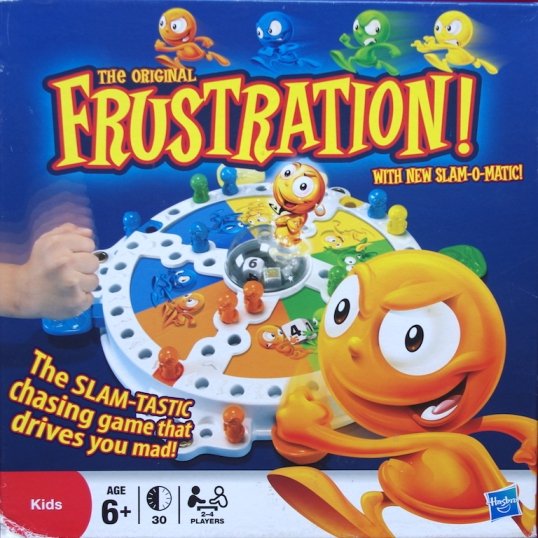
To play Frustration, each player races to move all their pawns from their base around the board to the finish by rolling a die, using the six to start, and bumping opponents back to their base.
Have you ever felt the thrill of a race combined with the sting of a setback? That’s the essence of Frustration, a board game where luck and strategy collide. Many people ask how to play frustration board game. It’s not as complicated as it might sound, and it’s perfect for family game night.
It involves dice rolls, pawn movements, and a bit of mischievous fun by sending opponents back to start. Once you understand the simple rules, the laughter and friendly competition will follow.

How to Play Frustration Board Game
Okay, let’s jump right into the fun world of the Frustration board game! It’s a super popular game that’s been around for ages, and chances are, you’ve probably seen it before. If you haven’t, that’s totally okay too! We’re going to break it down step-by-step, so even if you’ve never touched the board, you’ll be a pro in no time. This guide is all about making sure you understand how to play, the rules, and even some helpful tips so you can be the ultimate Frustration champion. Think of this as your go-to manual for fun and a little bit of friendly competition. Get ready for some peg-popping, die-rolling excitement!
What You’ll Need to Get Started
Before the game starts, let’s make sure you have everything ready. You wouldn’t want to get caught mid-game missing a piece, right? So, here is what you absolutely need:
- The Game Board: This is the main playing area with all the spaces, usually in a circular design, plus the four home bases for each player.
- Playing Pegs (or Pieces): Usually, there are 4 pegs per player. These are the little guys you’ll be moving around the board. They often come in different colors, so each player knows which pegs are theirs.
- A Die: This is your random number generator. You’ll roll it to determine how many spaces your pegs will move each turn.
- The Popper (Sometimes Optional): Some versions have a pop-up bubble that you press to roll the die. If not, a regular six-sided die works fine.
That’s it! Once you’ve gathered your items, it’s time to learn the basic gameplay.
Setting Up for a Round of Frustration
Alright, before the game begins, you’ll need to set everything up correctly. Here’s how you set up Frustration:
- Place the Game Board: Put the game board in the center of the table. Make sure everyone can easily reach the board.
- Choose Your Color: Each player picks a color of pegs. You can have up to four players, but sometimes the game works well with fewer people too.
- Place the Pegs in Home Base: Each player should place their four pegs in their home base area. This is where they all begin the game. Usually, this area is of the same color as your pegs.
With everything now set, it’s time for the most exciting part: starting the gameplay!
The Basic Gameplay of Frustration
Playing Frustration is quite straightforward. The main goal is to get all four of your pegs from the starting base around the board and back into your home base before anyone else does. The process is simple, but the competition can be quite fierce!
Moving Your Pegs
Here’s the breakdown of how to move your pegs around the board:
- Roll the Die: On your turn, you roll the die (or press the popper if you have one). The number you get tells you how many spaces to move your peg.
- Moving Around the Board: Once a peg is out of your starting area, you move it forward that many spaces on the board in a clockwise direction.
- Only One Peg Per Space: Usually, you can’t have two pegs on the same space. If your move would land you on a space already occupied by one of your own pegs, you will skip that space, and land on the following free space (or continue the move), or even you may not make that move.
- Getting Out of Home Base: To get a peg out of your starting base and onto the main board, you usually need to roll a 6. But some versions of the game might let you use a 1. So make sure you know your game’s rules on the starting move!
Landing on Other Player’s Pegs
This is where the “frustration” part really comes in! Landing on an opponent’s peg can send them back to square one:
- Sending Opponents Back: If your peg lands on a space occupied by an opponent’s peg, you send their peg back to their home base. This is why it’s good to spread out your pegs and move them along quickly.
- Safe Spaces: Sometimes the game has safe spaces, these are usually at home base corners. These spaces make it so that your pegs can’t be sent back by the other players.
Entering Your Home Base
Once your peg has made it all the way around the board, it’s time to get it home. This is the final push to victory:
- Exact Number Needed: To get a peg into its home base, you need to roll the exact number of spaces remaining for the peg to get home.
- What if I Roll too Much?: If you roll a number that’s too high to get your peg home, you can either move the peg if possible or in some game versions, not move at all.
Winning the Game
The aim is to be the first player to get all of your pegs into their home base. The first player to achieve this is the winner!
Game End
Once you’ve gotten all four of your pegs into your home base, you win the game! You can jump up and cheer. You’ve conquered the game! You can either play again or find another challenger to claim your win.
Variations and Extra Rules
Sometimes, different versions of Frustration have slight rule changes. It’s always good to check your specific game’s rulebook, but here are a few common variations you might find.
Variations on Starting
Some variations allow you to get a peg out of the starting base with either a 1 or a 6. Some variations make you roll a 1 to get a peg out of the base, but make you roll a 6 for a peg to get to the finish zone. Be sure you know what the starting rule is so you don’t miss a key move!
Safe Zones
Some game variations may have safe zones on the game board, usually at each home base corner. If a peg lands on a safe zone, other players can’t send it back to the start. These zones provide a place of respite when you’re getting close to finishing the lap.
Advanced Movement
In some slightly more complex rules, if you land directly on the space before your home base, you can enter the home base, even if the dice roll was too high. In other rules, if you roll too high to get to the home base, you are allowed to move a peg other than the one trying to get home. The rule variations for movement of a peg into home base can often provide a twist to the final part of the game.
Helpful Tips and Strategies
Now that you know the basic rules, let’s talk about some tips that can help you to improve your game:
Move Your Pegs Out Quickly
The sooner you get your pegs out of the starting area and into the game, the faster you can start circling around the game board, and the more opportunities you have to block and send other players’ pegs back to the start.
Spread Your Pegs
Don’t clump your pegs together. If one of your pegs gets bumped back to start, you have other pegs working to get to the finish. Plus, when they are spread apart, they are not as easy to hit and send back to start.
Think Ahead
Try to think about where your pegs will land based on the number that you are about to roll. This can help you either avoid getting your pegs bumped back to the start, or land on an opponent’s space to send them back.
Focus on Blocking
If you notice that one of the other players is close to getting a peg to the home base, try to block them or send them back. Even if you don’t make progress with your own pegs, you can still get ahead by impeding others.
Don’t Get Discouraged
Sometimes you’ll find that you get unlucky rolls and keep getting sent back to start. It’s part of the game! Just keep your eye on the prize and keep moving your pegs forward.
Making the Game More Fun
Frustration is already a fun game, but sometimes it’s fun to add a little flair to the games you play. Here are a few ways you can make the game more fun:
Play With a Theme
You can play a frustration themed game! Have each player name their pegs, and make up silly backstories for them. Or you can even assign the colors and pegs to different characters. This can make the game even more enjoyable and you can have a friendly competition that is based on a shared story.
Make Your Own Rules
Try to make up your own rules to add a twist to the game. You could have special spaces on the board that do different things, or come up with your own challenges that add a new level to the game. For example, you could make a rule where if you land on a space at the same time as another player, you have to switch places with that player.
Add Some Prizes
Adding prizes is a fun way to make a competition more intense. You could have a small treat for the winner, or you could have a small punishment for the person who loses. You can make these prizes anything you want, as long as they encourage a bit more competition.
The Joy of Playing Frustration
Frustration isn’t just about winning or losing, it’s about the fun of the game, the laughs you share, and the moments you spend with others. It’s a game that teaches patience, strategic thinking, and it often brings out some good-natured competition. The satisfying “pop” of the die popper, the anticipation of the die roll, and the frustration (and joy) of landing on the space of an opponent is what makes this game so fun for people of all ages.
Whether you’re playing with your family, friends, or even by yourself, Frustration is a game that brings excitement and enjoyment. It’s easy to learn, but it offers so much fun and a lot of opportunities for players to get creative with their strategies. So, next time you’re looking for a fun game, gather your pegs, roll the die, and dive into the thrilling world of Frustration!
THROWBACK how to play frustration
Final Thoughts
To play, each player chooses a color and places their four pegs at the start. Roll the die, move your peg around the board according to the number. Landing on an opponent sends them back to start!
The goal is to get all your pegs home. Use the ‘pop-o-matic’ die to determine how many spaces to move. Sometimes, you must roll a six to start a peg. This is how to play frustration board game.
A key part to remember is that you must land on your home spaces precisely; this sometimes means wasting turns. The first person to do this wins the game!

