
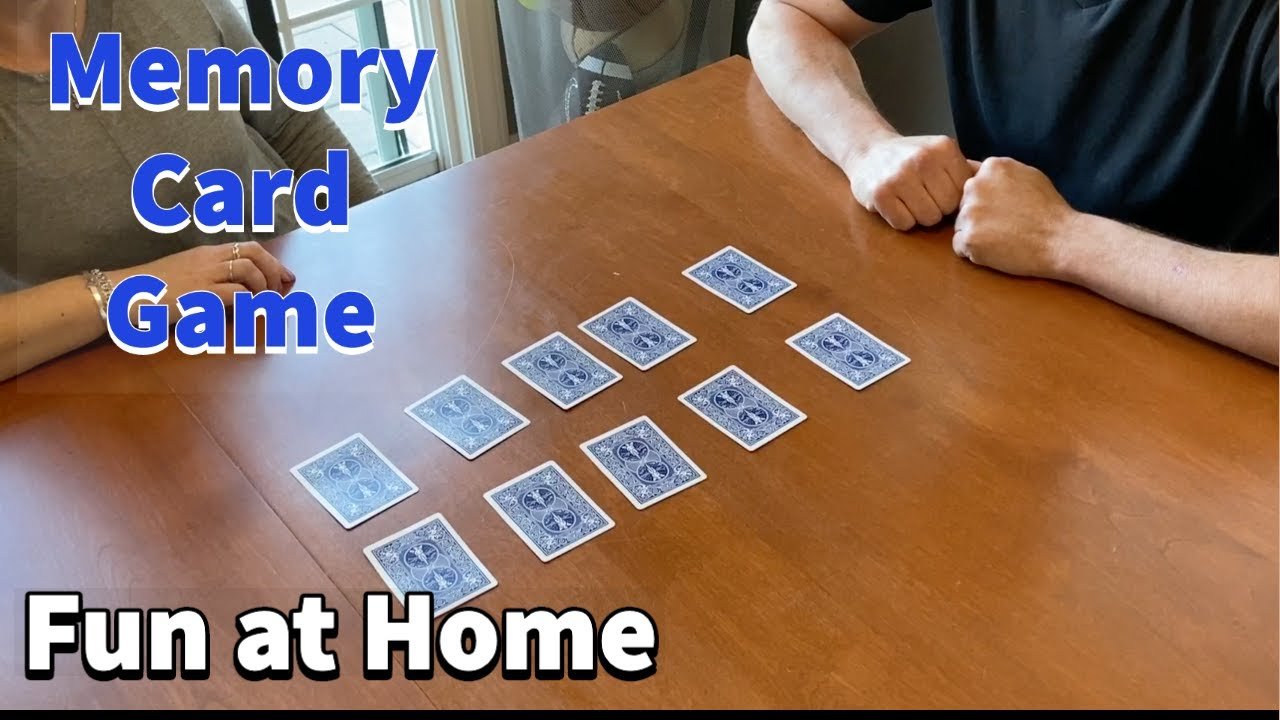
To play memory game, you arrange cards face down, then flip two at a time, trying to match pairs.
Have you ever wanted a fun way to challenge yourself and others? It’s simpler than you might think! Learning how to play memory game is easy and provides great entertainment.
The game focuses on testing your recall skills in a lighthearted way. Perfect for a quick mental exercise or a friendly competition among friends and family. It’s enjoyable for all ages and requires little preparation.

How to Play Memory Game: A Complete Guide
The memory game, also known as concentration, pairs, or match match, is a simple yet fantastic game that boosts memory and cognitive skills. It’s fun for all ages and can be played anywhere with a deck of cards or a set of matching tiles. Let’s dive into how to play this amazing game!
Setting Up Your Memory Game
Before we can start matching, we need to set up the game properly. It’s pretty easy, don’t worry!
Gathering Your Materials
You’ll need something with pairs of identical images or symbols. Here are some options:
- A Standard Deck of Playing Cards: Use two of every card, like two Aces, two Kings, etc. For a smaller game, use fewer pairs.
- A Memory Game Set: These usually come with special cards or tiles, often with colorful pictures. These are specifically designed for the game.
- DIY Cards: Get creative! Draw your own pictures on index cards or use stickers. Just make sure you have two of each design.
Preparing the Playing Area
Now that you have your game pieces, find a flat surface. It could be a table, a floor, or even a large book. Make sure there’s enough space to spread out all the cards or tiles without them overlapping too much. You don’t want them to be too close together!
Arranging the Cards or Tiles
This is a super important step. First, mix all the cards or tiles well. This makes the game more challenging and fair. Next, lay them all face down in rows and columns, like a grid. Make sure no one can see what the pictures are. Keeping them in a grid-like pattern makes it easier to remember their positions. This is the basic setup for your memory game, and it’s same for any kind of memory game.
Starting the Game
Now that everything is set, let’s get to the fun part—playing the game!
The First Player’s Turn
Decide who goes first. You can flip a coin, use a rock-paper-scissors or choose by any way you like. The first player picks two cards or tiles, one at a time, and flips them over so everyone can see. The goal is to find two cards that match.
Matching Pairs
If the two cards are a match (like two hearts or two pictures of a cat), the player gets to keep the pair. They take the matching pair from the playing area and set it aside. Then, they get to take another turn. This continues as long as they keep finding matches.
Non-Matching Pairs
If the two cards do not match, the player flips them back over, face down, in the exact same spots where they were. It is very important to remember the positions of the cards, and this is the essence of the memory game. After this the turn goes to the next player.
Remembering Card Locations
This is where the “memory” part of the game comes in. Pay close attention to the cards or tiles that are flipped over, even if they don’t match. Try to remember where they are located. This information will be very useful when it’s your turn again, or when your opponent is playing.
Taking Turns
The game continues with players taking turns flipping over two cards or tiles. Each player tries to find matching pairs. Remember, if a player finds a match, they get another turn. If the cards don’t match, the turn goes to the next player. It’s always fun to see who can remember the card locations.
Winning the Game
The memory game continues until all the matching pairs are found. The player with the most matching pairs at the end of the game is the winner! It’s pretty simple. Counting the pairs is important, so everyone knows who won.
Variations and Tips
While the basic rules are simple, there are ways to spice things up and get better at the game.
Adjusting the Difficulty
You can change the difficulty of the game depending on the age and skill level of the players.
- For Beginners: Start with fewer pairs, like 6 or 8. This makes the game easier to handle and perfect for younger children.
- For More Experienced Players: Use more pairs, like 20 or 30, to make the game more challenging. You can also use the whole card deck to make it even more challenging.
Playing Solo
The memory game isn’t just for groups. You can also play solo! Try to beat your own score by finding all the pairs as quickly as you can or in fewer moves. It’s a great way to improve your memory alone.
Themed Memory Games
Make it more fun by using themes! For example, you could use pictures of animals, fruits, or your favorite characters. This can make the game more engaging for kids. You can also use seasonal themes like holidays or weather-related cards.
Tips for Improving Your Memory
The memory game is fantastic for practicing your memory. Here are some tips to help you get better at it:
- Pay Attention: Focus on the cards being turned over, even when it’s not your turn. Knowing where the cards are located is key.
- Visualize: When a card is flipped, try to make a mental picture of its location. Imagine it in your mind to help you remember.
- Use a System: You can mentally label each row and column to help you remember where cards are. This can be easier than remembering random placements.
- Practice Regularly: The more you play, the better you’ll get! Playing regularly is very important to see the difference.
Benefits of Playing Memory Games
Playing memory games isn’t just fun—it also provides some fantastic benefits. It’s a very effective and enjoyable way to train your brain.
Improved Memory
As the name suggests, memory games are a great way to improve your short-term memory. You’re constantly working on remembering the positions of different cards. This regular practice makes your memory stronger. Every time you play, your brain gets a little workout.
Enhanced Concentration
To succeed in the game, you need to stay focused. You have to pay attention to the cards and their locations. This focus helps improve your concentration. The ability to concentrate will help you in various other activities too.
Cognitive Development
Memory games are great for cognitive development, especially in children. They help with problem-solving, pattern recognition, and spatial awareness. All these skills are very useful as the kids grow up.
Fun for All Ages
The memory game is a great way for family and friends of all ages to spend time together. The basic rules are easy to understand, and the game is fun for everyone. It’s a good family activity that’s beneficial too. It keeps both kids and adults mentally active and engaged.
Portable and Convenient
Memory games are usually easy to transport, whether using a card deck or specially created memory game sets. You can play it almost anywhere, from the comfort of your living room to a long car journey. Its portability makes it a very convenient and flexible game for everyone.
Making the Most Out of Your Memory Game
Here are some ways to enhance your memory game experience:
Creating Your Own Cards
Try making your own memory cards using paper, cardboard, or even laminated sheets. You can create custom cards based on your interests, favourite movies, or even with family photos. This way, the game becomes very personal and engaging.
Adding a Time Limit
Introduce a time limit to add an extra level of challenge to the game. This will encourage the players to think and act quickly. The time pressure enhances the fun factor and improves the response time.
Using Different Picture Styles
When making your own memory game set, use different styles of pictures or colors. This way the players will be able to remember the different picture locations more easily. Different visual elements enhance engagement and memory.
Incorporating Variations in Rules
Invent your own twist on the standard rules. You can add rules like penalty for not getting a match or points system based on how quickly players match. Rules variations make the game adaptable to different preferences.
Playing in Teams
Team up with someone and play against another team, this variation allows players to help each other in locating pairs of the cards. Team-based memory game encourages communication and cooperation among players.
The memory game is a simple yet effective way to improve memory, focus, and cognitive function. It is very easy to set up, easy to play and provides immense benefits. It’s perfect for players of all ages and skill levels. Whether you use a standard deck of playing cards or a specially designed game set, the core mechanics remain the same: locate matching pairs by remembering the position of the cards. It’s a great way to improve memory skills while having fun. So, gather your cards or tiles and get ready to challenge your mind!
How to Play Memory Card Game – Games For Fun and Distance Learning | Kids and Family | Fix and Play
Final Thoughts
To play memory game, lay all cards face down in a grid. Players take turns flipping two cards over. If the cards match, they keep the pair. Otherwise, they flip the cards back.
The goal is to remember the locations of the cards and find all the matching pairs. The game continues until all pairs are found. The player with most pairs wins.
Remember to concentrate and observe each card carefully. Playing frequently improves your memory. Now you know how to play memory game and can enjoy the fun.

