
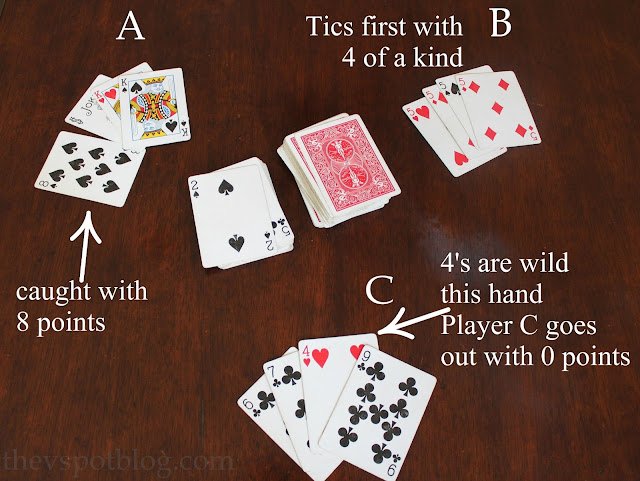
Playing a game card game usually involves shuffling a deck, dealing cards to players, and then following specific rules to win based on the cards you hold.
Have you ever found yourself staring at a deck of cards, wondering how to play the game card game? It can seem confusing at first, with so many different games and rules out there. Don’t worry, understanding the fundamentals is quite simple.
Most card games follow a similar structure, starting with a shuffled deck. You will typically receive a hand of cards to start and then play those cards according to game’s rules.
Learning the rules for each game is where the fun begins.

How to Play the Game Card Game
Ever wondered how to dive into the fun world of card games? Maybe you’ve seen friends laughing over a deck of cards and wished you knew how to join in. Well, you’re in the right place! Card games are a fantastic way to have fun, learn new things, and spend quality time with people. This guide will take you through the basics, step by step, so you can confidently play almost any card game you come across. We’ll go over the different parts of a card deck, the typical gameplay steps, and even some popular game examples to get you started.
Understanding a Standard Deck of Cards
Before we can play, let’s get familiar with the star of the show: the deck of cards. A standard deck has 52 cards, divided into four suits. Think of suits as different teams within the deck. Knowing the suits and numbers helps us understand the value of each card.
The Four Suits
- Hearts (♥): These cards are red and look like cute, upside-down hearts.
- Diamonds (♦): Also red, these cards look like diamonds or kites.
- Clubs (♣): These are black and look like three-leaf clovers.
- Spades (♠): These are also black, but they look like a pointy leaf or an upside-down spade shovel.
Card Values
Each suit has 13 cards, ranging from the Ace to the King. Here’s how they’re ranked, starting with the lowest value:
- Ace (A): Sometimes the lowest value, but also sometimes the highest! It depends on the game.
- Number Cards (2-10): These are just worth the number on the card. A “2” is worth two, a “5” is worth five, and so on.
- Jack (J): The Jack often has a value of 11, but sometimes it’s used as a special card.
- Queen (Q): The Queen usually has a value of 12, and is another special card in many games.
- King (K): The King often has a value of 13, and is usually the highest value number card.
Knowing these ranks will help you understand what cards are more or less powerful in each game.
Basic Card Game Terms
Like any hobby, card games have their own special words. Knowing these terms will help you understand how games work. Here are some of the most common ones you might hear:
- Deck: This is the entire set of 52 cards we talked about.
- Hand: The cards you’re holding in your own hand, hidden from other players.
- Discard pile: This is where players place cards they no longer want to keep. The discard pile can also be called the “waste pile” in some games.
- Draw pile: Usually face down, this is where players pull new cards from.
- Shuffling: Mixing the deck up randomly to ensure fair gameplay.
- Dealing: Giving out cards to each player to start the game.
- Suit: The four categories of cards: hearts, diamonds, clubs, and spades.
- Rank: The numerical value of a card (Ace, 2, 3, etc. through King).
- Trick: In some games, a round of play in which everyone plays a card. Whoever plays the best card wins the trick.
The General Steps of Playing a Card Game
While there are many kinds of card games, most follow a basic pattern. Understanding these general steps will help you pick up new games quickly.
Setting Up the Game
- Shuffle the deck: Before any cards are dealt, the deck must be mixed thoroughly. Shuffling ensures the cards are randomly arranged, which makes gameplay fair.
- Deal the cards: Depending on the game, players will get a certain number of cards each. The cards are dealt one at a time, going around the table from the dealer.
- Set up the playing area: There might be discard piles, draw piles, or specific locations for cards depending on the game. You might just have the deck in front of someone for a simple game like war.
Playing the Game
- Take Turns: Card games usually have a turn-based structure. Players take turns playing cards or completing actions. The turns usually go clockwise or counterclockwise around the table.
- Follow the rules: Each game has its own specific rules and instructions. Pay close attention to them! Some games involve adding up the values of the cards, while others are about matching. Make sure you know how the game you are playing works before beginning.
- Make moves: On your turn, you might need to draw a card, play a card from your hand, or complete another action depending on the rules of the game.
Ending the Game
- Win the game: Usually, there is some way for someone to be declared the winner of the game. In some games, it might be the player who gets rid of all their cards, or the person with the most points.
- Clean up: Once the game has ended, it is time to gather up all the cards and put them back into the deck.
Exploring Different Types of Card Games
Card games are super varied! There’s a type of game for almost every taste and age group. Here are a few of the main categories:
Trick-Taking Games
Trick-taking games are very popular. In these games, players take turns playing a card in an attempt to win a “trick.” Winning a trick might get you points or allow you to achieve something else within the game. Here are some important things to know about this kind of game:
- Basic concept: In trick-taking games, players aim to win rounds (or tricks) by playing the highest ranked card.
- Suit follows: You usually have to follow the first card played in a trick, if you have a card in the same suit.
- Trump Suit: Some trick-taking games have a trump suit, which can beat all other suits. For instance, if hearts are trump, a heart can win over a spade, club, or diamond if they are played in the same trick.
- Examples: Euchre, Spades, Hearts.
Matching Games
Matching games are very common for younger children. Here’s what makes them different:
- Basic concept: Players have to find matching cards. The goal is often to collect pairs or sequences of cards.
- Types of matching: Matching can be based on rank, suit, or specific sets in the game.
- Examples: Go Fish, Crazy Eights, Rummy.
Shedding Games
Shedding games are all about getting rid of your cards. Here are some things that make them unique:
- Basic concept: The goal is to get rid of all the cards in your hand before the other players.
- Various Rules: Shedding games can involve different methods of getting rid of cards, like matching, playing specific numbers, or following certain rules.
- Examples: Uno, President (also known as Scum or Asshole).
Card Games with Special Abilities
Some card games will have cards that have a particular ability. These cards can change how the game works or give you an advantage.
- Special cards: Some cards might allow you to skip other players’ turns, make other players draw cards, or even change the direction of the game.
- Strategic Thinking: These card games require thinking ahead and using cards strategically.
- Examples: Uno, Magic: The Gathering, Fluxx.
Quick Overview of Popular Card Games for Beginners
Let’s take a closer look at some easy games to get you started. These games are great because they teach you many of the basic skills needed for all card games.
Go Fish
This is a very simple game for two or more players. It’s about making matches of four cards.
- Goal: Collect sets of four matching cards of the same rank. For example, four Kings or four 7s.
- How to Play: Players ask each other if they have a card of a specific rank. If they do, the person must give that card to the asker. If they don’t, the asker must “go fish” by drawing a card from the draw pile.
- Winner: The winner is the player with the most sets of four cards when all the sets are matched or the draw pile is depleted.
War
This is a very simple game that doesn’t require you to think much at all, making it a good starting point.
- Goal: Win all the cards in the deck.
- How to Play: Divide the deck of cards equally between two players. Each player reveals a card from the top of their deck. The player with the higher-ranked card wins both cards. If players reveal cards of the same rank, it’s a “war,” and each player puts down three more cards, revealing the last one. The player with the higher last card wins all the cards.
- Winner: The player who wins all the cards wins the game.
Crazy Eights
Crazy Eights is a simple game about matching cards and getting rid of your hand.
- Goal: Be the first player to get rid of all the cards in your hand.
- How to Play: Players take turns matching the rank or the suit of the top card on the discard pile. Eights are “wild” and can be played on any card, and can also be used to declare a new suit.
- Winner: The first player to get rid of all their cards wins the round.
Tips for Getting Better at Card Games
Like any skill, playing card games can improve with practice. Here are a few tips to help you along:
- Practice Often: Playing frequently will make you comfortable with the flow of different games.
- Pay Attention to Others: Watching other players will help you learn the rules and new strategies.
- Ask Questions: If you’re unsure about a rule, don’t be afraid to ask.
- Start Simple: Begin with simpler games and work your way up to more difficult ones.
- Have Fun: The most important thing is to enjoy the game! Don’t get discouraged if you don’t win every time.
Playing card games can be a very fun hobby. They’re a great way to have a good time with friends and family. As you play more and more, you will become comfortable with the rules of different games, and start picking up on strategies. Before long, you will be teaching card games to others!
The Game – How To Play
Final Thoughts
To recap, players each start with a hand of cards. They must try to form specific combinations or sequences as dictated by the game rules. These actions involve drawing cards and discarding. Learning how to play the game card game requires understanding those combinations and how to achieve them, which is crucial.
The goal varies; some games focus on scoring points or being the first to get rid of your hand. A strategy is important, since you need to choose wisely which cards to keep and when to act. Follow game instructions for specific gameplay.

