
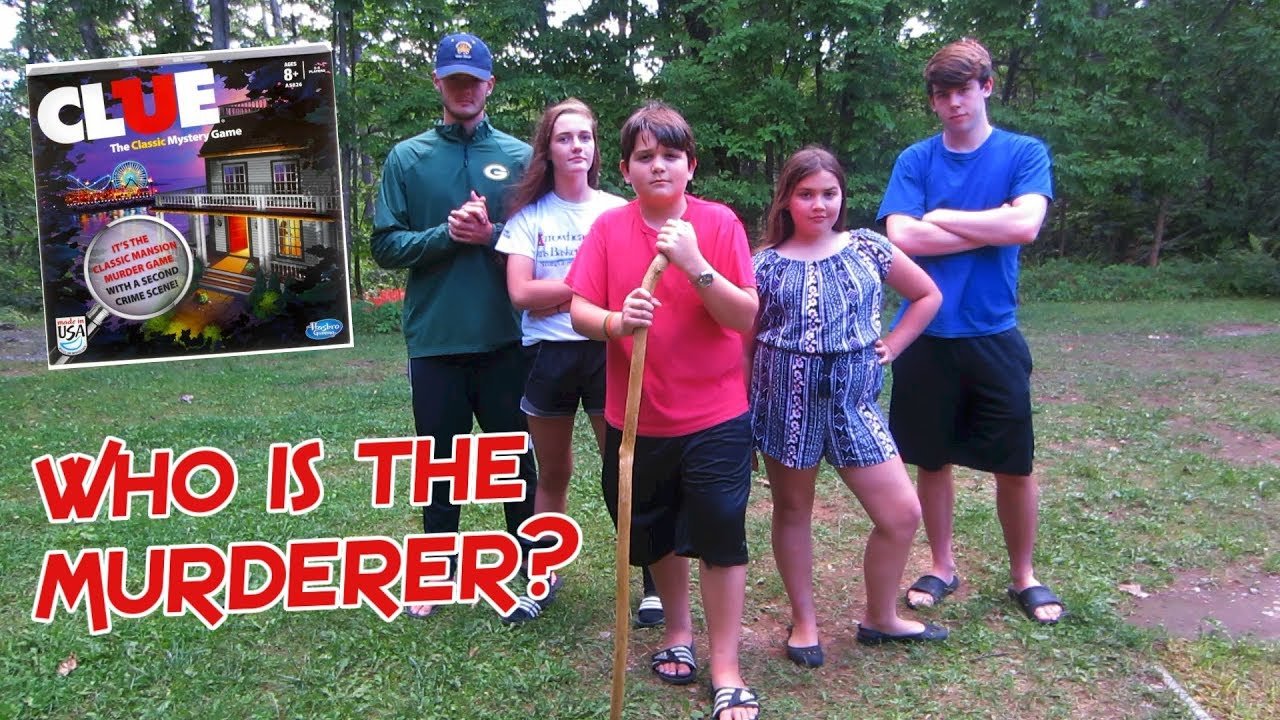
Playing the game Clue in real life involves creating a mystery setting with designated rooms, characters, and a hidden ‘weapon’ to solve, similar to the board game.
Have you ever wished you could step inside the intriguing world of Clue? Well, you absolutely can! Forget the board; imagine a real-life scenario where you become the detective, moving from room to room, interrogating suspects. This article will guide you on how to play the game Clue in real life and bring that classic mystery to life.
It’s all about creative setup and a bit of playful drama. The key is to replicate the game’s elements in your home or chosen location. Think themed rooms, costumed friends, and a concealed object. Get ready to turn your everyday space into a thrilling crime scene.

How to Play the Game Clue in Real Life
Okay, so you love the classic board game Clue, right? The mystery, the suspense, the thrilling chase to find out who did it, with what, and where? What if I told you that you could actually experience that intrigue, that “whodunnit” drama, in real life? That’s right, we’re diving into the world of live-action Clue games! It’s like stepping into the board game itself. Forget the tiny cards and dice; get ready for an adventure where you and your friends are the suspects and the detectives. Let’s explore how you can bring this exciting game to life.
Planning Your Real-Life Clue Game
First things first, you need a solid plan. A little preparation goes a long way in making your game a huge success. It’s not as simple as throwing on a costume; you’ve got to set the stage for mystery and fun.
Choosing a Location
The perfect location is crucial for your real-life Clue game. Think about spaces that can mimic the feel of a mansion. Here are some ideas:
Your Home: If you have a house with multiple rooms, it can work wonderfully. Each room can easily become a different location in your “mansion,” like the Billiard Room or the Library.
A Friend’s House: Maybe a friend has a larger house or a place that lends itself to a mysterious atmosphere. Team up and create an exciting environment.
A Park or Outdoor Area: If you’re feeling adventurous, an outdoor space can also work, especially for a larger group. You can create different zones within the park that act as the Clue rooms.
Rented Space: If you want a more professional experience, consider renting a room or venue. This could be perfect for a bigger party.
When picking your location, consider these points:
Number of People: How many players will there be? Make sure the space is large enough to comfortably accommodate everyone.
Number of “Rooms”: You’ll need enough distinct areas to represent the different locations from the game.
Accessibility: Is the location easy to get to for everyone? Think about parking and transportation.
Ambiance: Does the location feel a bit mysterious? A touch of atmosphere can make the game even more immersive.
Selecting Your Characters
Just like the board game, you’ll need characters. But instead of just being a token, your friends get to embody these classic roles!
The Usual Suspects: You can choose from the classic Clue characters:
Colonel Mustard
Miss Scarlet
Professor Plum
Mr. Green
Mrs. White
Mrs. Peacock
Creating Custom Characters: If you’re feeling creative, you can make your own characters. This lets you tailor the game to your interests and the people playing.
When choosing or making characters, think about:
Personality: What kind of personality would each character have? Maybe Mrs. White is a bit of a gossip, while Colonel Mustard is a bit gruff.
Costumes: Encouraging costumes can add to the fun! Even simple things like a scarf or a hat can make a big difference.
Backstories: Developing a little backstory for each character adds depth and provides fuel for interactions. Maybe Professor Plum has a secret past, or Mrs. Peacock has a hidden motive.
Crafting Your Weapons and Rooms
The next crucial element is setting up your weapons and locations. In Clue, each has a very specific role to play.
The Weapons
The Real Deal (With Caution): If you’re being very true to the game, you can choose harmless substitutes that look like weapons. For example:
A candlestick can be a toy or a real, unlit one.
A lead pipe can be a piece of sturdy, dull-looking pipe.
A wrench can be a toy wrench.
A rope can be a simple piece of string.
A knife can be a plastic toy knife.
A revolver can be a toy gun.
Remember to keep safety in mind! Do not use real or sharp objects.
Symbolic Objects: You can also use symbolic representations. Instead of a lead pipe, use a piece of black plastic, or instead of the knife, use a silver spoon.
The Rooms
Clear Labels: Make sure every room has a clear label, whether using signs or simply designated areas. For example, mark a room with a sign saying “The Library” or a corner in the backyard with a sign “The Conservatory.”
Room Theme: Add some small props to represent the room. A stack of books for the Library, gardening tools for the Conservatory, and billiards equipment for the Billiard Room.
The Classic Locations: For inspiration, remember the classic Clue rooms:
The Hall
The Lounge
The Dining Room
The Kitchen
The Ballroom
The Conservatory
The Billiard Room
The Library
The Study
Creating the Clue Cards
Just like in the board game, your real-life game needs clue cards. You’ll need a way to represent the possible suspects, weapons, and rooms.
Traditional Cards: You can use index cards or small pieces of paper to create your cards. Write down the names of each suspect, weapon, and room on separate cards.
Digital Cards: If you’re tech-savvy, you can use digital cards on a phone or tablet. Use a simple graphic design app to create these.
The Envelope: You’ll need an envelope to hold the three hidden cards (one suspect, one weapon, and one room).
Duplicate Sets: You’ll need a few sets of these cards for the players to use to make their accusations. Each player will have their own set.
Setting Up Your Real-Life Clue Game
Now that you have your plan, it’s time to set up the game! Getting everything arranged correctly makes playing smoother and more fun.
Distribute the Character Roles and Props
Give each player their character card, any costume pieces they may have, and a copy of the clue cards. Make sure everyone understands who they are playing and the importance of their role. This is the moment to truly get into character! Players should start acting like the character they’re playing. Encourage them to create unique mannerisms or personalities.
Place the Weapons
Hide the weapon props or symbolic representations in different rooms around the house, park, or venue. Make sure to place them in locations that are not immediately obvious, to make it a little more challenging to locate.
Hide the Secret Envelope
The secret envelope, containing the three mystery cards, must be hidden in a safe and obscure location. It should be accessible to the players, but not too easy to find. This represents the heart of the mystery and must be well-protected.
Explain the Rules
Before the game starts, it’s important to explain how everything will work. Make sure every player understands the rules and what they need to do to solve the mystery.
Playing the Real-Life Clue Game
Once all the prep is done, the fun begins! Now you actually get to play the game. This is where the mystery comes alive, and everyone has a chance to shine as a detective or a suspect.
The Investigation Begins
As players explore the mansion (or whatever location you’re using), encourage them to ask questions and investigate. Players should be asking each other questions to find out what happened. They can make suggestions, listen to what others have to say, and use deduction to find the truth.
Making Accusations
When a player believes they know the solution, they can make an accusation. They must say who they think did it, with what weapon, and in which location. You can keep these simple. If it is correct, the player reveals the cards and wins the game. If incorrect, that player is out of the game, and the rest can keep investigating.
The Importance of Interaction
The key to a great live-action Clue game is interaction. Players need to talk to each other, ask questions, and observe. Encourage players to really get into their characters and engage in conversations. Sometimes, this might lead to unexpected moments or funny situations. These interactions add depth and excitement to the game.
Tips for a Super Fun Game
To make sure your real-life Clue game is a memorable one, here are a few extra tips:
Add Music: A little background music can add to the atmosphere. Think spooky or mysterious tunes.
Use Lighting: Dim lighting can make the game feel more dramatic. Use candles (safely) or low-wattage lights.
Offer Snacks and Drinks: Keep your players refreshed with some themed snacks and drinks.
Take Pictures: Capture the fun with photos. This is a great way to remember your unique Clue experience.
Be Flexible: Not everything will go exactly as planned, so be ready to adjust. That’s part of the fun of live action.
Keep it Fun: The most important thing is for everyone to have a great time. Don’t worry too much about sticking perfectly to the rules. The game is about having fun, solving a mystery, and making memories.
Creating a live-action Clue game is a fun way to experience the mystery of the board game in a totally new way. With a bit of planning and creativity, you can create an amazing experience for your friends and family. The beauty of this game is that every time you play, it’s going to be different.
Remember the key to a successful game is preparation and having fun with it. You’re not just playing a game; you’re creating a story and making memories with your friends and family. This experience helps everyone build problem solving skills, enhances communication and encourages imagination. What are you waiting for? It’s time to dive into your very own real-life Clue adventure!
How to Play Clue
Final Thoughts
To play Clue in real life, gather friends and assign characters. Designate rooms within your house to match the board. Use physical “weapon” props.
One player acts as the detective and asks others for clues about the murder. A must for this game is to keep secret the culprit, weapon, and room in your envelope.
You must use deduction and questioning to solve the case. The first to make a correct accusation wins. This explains how to play the game clue in real life.

