
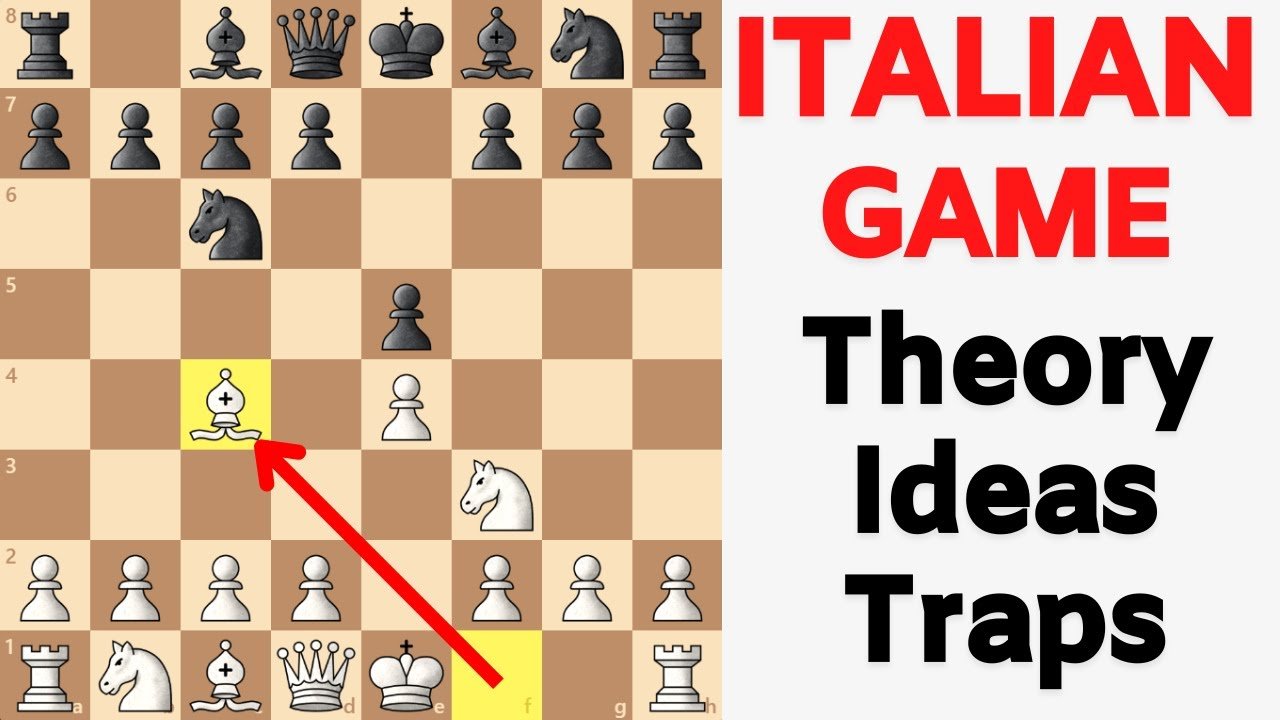
Playing the Italian Game in chess involves developing your pieces quickly, controlling the center, and often aiming for open positions.
Have you ever wondered how to play the Italian Game in chess? It’s a classic opening, popular at all levels because it offers both solid development and chances for exciting attacks. This opening is characterized by early pawn moves and bringing your knights and bishops to active squares. You will find this strategy quite satisfying.
The Italian game leads to a dynamic and interesting chess battle. Understanding the core ideas will greatly improve your opening repertoire and overall chess game.

How to Play the Italian Game: A Beginner’s Guide
The Italian Game is a popular and exciting way to start a game of chess. It’s known for being open, tactical, and leading to many interesting positions. If you’re new to chess or looking to add a solid opening to your repertoire, then learning the Italian Game is a fantastic idea! Let’s dive in and explore how to play this opening effectively.
The Basic Moves of the Italian Game
The Italian Game starts with these specific moves by both White and Black. It’s important to memorize them, as these first few moves set the stage for everything else. The moves are as follows:
- White moves their pawn in front of the King two squares forward: 1. e4
- Black responds by mirroring White, moving their pawn in front of their King two squares forward: 1… e5
- White develops their knight from the King’s side to the f3 square: 2. Nf3
- Black also develops their knight from the Queen’s side to the c6 square: 2… Nc6
- White develops their bishop from the King’s side to the c4 square: 3. Bc4
That’s it! Those first three moves for each player are the foundation of the Italian Game. Notice how quickly both players are bringing their pieces out and controlling the center of the board? This is a key idea in chess openings.
Why These Moves?
Let’s break down why these moves are important:
- 1. e4 and 1… e5: These moves immediately take up space in the center of the board. The center is a very important area because pieces there have more control over the board.
- 2. Nf3 and 2… Nc6: Developing knights early is a good idea, as they are powerful pieces that need to be active. These moves bring knights into the game where they can be involved in the action.
- 3. Bc4: This move develops a bishop to an active square. It also puts pressure on the f7 square (black’s weak point initially) and prepares for other interesting possibilities.
Key Ideas in the Italian Game
Once the initial moves are complete, several important ideas come into play. These concepts will help you make better decisions during the game and understand what the Italian Game aims to achieve.
Central Control
As mentioned earlier, controlling the center of the chess board is very important. The Italian Game helps you in this cause. The e4 and e5 pawns establish a strong central presence, and developing pieces to attack or defend these pawns is key.
Piece Development
The Italian Game emphasizes quick and efficient piece development. This means bringing your knights and bishops into play as quickly as possible. It’s better to have your pieces ready for battle than leaving them stuck on the back ranks.
King Safety
While the opening focuses on attacking and controlling space, don’t forget to take care of your king. Castling is often an important step in this opening, and it usually happens early in the game once you get a chance. Moving your King to a safe spot behind a wall of pawns makes it difficult for the opponent to get it checkmated.
Tactical Opportunities
The Italian Game is known for creating tactical chances. Players must be alert for forks, pins, and other combinations that can win material or checkmate their opponent. The open nature of the game often leads to exciting and dynamic play.
Common Variations of the Italian Game
After the first three moves, several variations can arise. These deviations will lead to different plans, so it’s important to understand them. Let’s explore some common paths after 3. Bc4:
The Giuoco Piano (The Quiet Game)
The Giuoco Piano is a solid and classic approach. After 3… Bc5, the game usually continues with these moves :
- 4. c3 is a common move, which prepares to control the center by pushing the d-pawn.
- 4…Nf6 is a common response, which also attacks the e4 pawn and develops a piece to an active square.
From here, many positions can arise, and you will be well placed for a long battle.
The Evans Gambit
The Evans Gambit is a more aggressive line where White offers a pawn to gain a space advantage and open the position more quickly. It is characterized by:
- 4. b4! This is a gambit, where White sacrifices the b pawn for quicker piece development.
This variation is great for players who like to take a risk for a big reward, but it is a more complex line of the game.
The Two Knights Defense
This variation happens when Black plays 3… Nf6 instead of 3… Bc5. This move immediately attacks White’s pawn on e4. A common continuation is :
- 4. Ng5, where White puts pressure on the f7 square.
This setup tends to be very tactical and can lead to complications early in the game.
Basic Strategy for the Italian Game
Beyond the specific moves, some strategic ideas will help you play the Italian Game effectively. Here are some principles to keep in mind:
Prioritize Development
Get your pieces out quickly and into active positions. This is often more important than making immediate pawn advances or other moves that may seem tempting but aren’t contributing to your development.
Control the Center
Your pawns and pieces should fight for control of the central squares of the board. This gives you more mobility and influence on all sides of the game.
Prepare for Castling
Castling brings your king to a safer area. Usually, castling occurs in the early to mid-game stages. Keep an eye on your development and get your king tucked away when you see an opportunity.
Watch out for Tactics
As the game develops, look for opportunities for forks, pins, skewers, and other tactical moves. This involves focusing on the specific board position and calculating the result of possible actions.
Plan Ahead
Think about what your opponent might do, and how your moves will affect the future situation. Think more than one move ahead so you can respond better to challenges from the opponent.
Common Mistakes to Avoid
As you start learning the Italian Game, there are some common mistakes that new players make. Learning about these errors will make sure you are one step ahead. Here are some of them:
Moving the Same Piece Twice in the Opening
Try to move each of your pieces once and get them all involved before moving any piece a second time. Moving the same piece again early on can waste time, when you could be deploying other resources in the early stages.
Moving Too Many Pawns
While pawn moves are important, excessive pawn moves in the opening can make your position weak. Your pawns should support the advance of your pieces. So, try to balance the pawn movements with the development of pieces.
Ignoring King Safety
Do not forget about the safety of your king. Castling is a very important move that will protect your king early in the game, especially if you intend to play aggressively. Don’t delay it unless it is absolutely necessary.
Falling for Simple Traps
Many opening traps exist in chess. Be aware of these simple traps and avoid falling for them. Always be alert, even if a move seems tempting at first sight.
Tips for Improving Your Italian Game Play
Learning the Italian Game is just the first step. Here are some tips that will help you become better at playing it:
Play Lots of Games
The best way to get better is to play many games. Each game will provide you with more experience and a greater understanding of the different positions in the opening.
Analyze Your Games
After each game, take some time to look at what you did well and what you could have done better. There are many great tools available online that will give you hints on how you could have played the game better.
Study Games by Strong Players
Look at how strong chess players play the Italian Game. It will help you understand the deeper strategies and nuances of the opening. Observe their move choices, and you will learn from the best.
Use Chess Training Resources
Many websites, books, and videos are available online to help you improve your game. These resources can provide valuable insights and help you learn new things.
Be Patient
Learning chess, and especially the Italian Game, takes time. Be patient and consistent with your learning, and don’t get discouraged. With a little dedication and practice, you will be on your way to mastering this very exciting opening.
The Italian Game is a popular and useful opening for all skill levels. It’s a perfect way to start a game of chess because it involves a lot of active play, attacking opportunities, and clear plans for both sides. By learning the moves, the strategic ideas, and the important tactics, you will be well on your way to playing the Italian Game successfully. Remember to be patient, keep practicing, and don’t hesitate to learn from your mistakes. With time, you’ll be playing the Italian Game with confidence and you will be getting better at it with every game you play!
BEGINNER GUIDE TO THE ITALIAN GAME
Final Thoughts
The Italian Game centers on quickly developing your pieces and controlling the center. You must play 1. e4 followed by 2. Nf3 and 3. Bc4. This setup aims for an early attack on the opponent’s kingside.
After that, common follow-up moves include d3, c3, and 0-0, solidifying your position. Understanding these basic principles is key to how to play the Italian Game. Always think ahead and anticipate your opponent’s plans.

