To effectively practice your aim without aim assist in Battlefield 6, focus on consistently using the practice range, prioritizing controlled bursts, and adjusting sensitivity settings until you find what feels most accurate and comfortable.
Want to dominate in Battlefield 6 without relying on aim assist? Many players find that turning off aim assist significantly improves their long-term aiming skills and precision.
So, how to practice your aim without aim assist in Battlefield 6? It’s all about focused training and finding the right settings.
We’ll explore drills, sensitivity adjustments, and target prioritization to help you develop the muscle memory needed to become a top player. Get ready to ditch the crutch and sharpen your skills!

How to Practice Your Aim Without Aim Assist in Battlefield 6
Removing aim assist in Battlefield 6 presents a unique challenge. It forces you to rely entirely on your own skill and reflexes. Learning to aim accurately without it takes dedication and the right practice techniques.
Understanding the Challenge of No Aim Assist
Aim assist gently pulls your reticle towards enemy targets. It simplifies aiming, especially on consoles. Without it, your movements must be precise and deliberate.
The absence of this crutch highlights any weaknesses in your aiming technique. This includes over-corrections and inconsistent tracking. Overcoming these weaknesses is crucial for improvement.
Setting Up Your Battlefield 6 Practice Environment
Your in-game settings can greatly impact your aim training. Finding the optimal sensitivity and field of view is critical. These settings will be highly personal.
Sensitivity Settings
Experiment with different sensitivity levels to find what feels most natural. A lower sensitivity provides more control for precise aiming. Higher sensitivities allow for faster target acquisition.
Start with a moderate sensitivity and gradually adjust it up or down. Pay attention to how well you can track moving targets and make small adjustments. Aim to find a balance between speed and accuracy.
Field of View (FOV)
Field of view affects how much of the game world you can see. A wider FOV can provide a greater awareness of your surroundings. However, it can also make distant targets appear smaller.
Experiment to find a comfortable FOV that doesn’t distort your perception of distance. Consider your monitor size and viewing distance when making adjustments.
Controller vs. Mouse and Keyboard
If you are using a controller, ensure your dead zones are properly calibrated. This eliminates unwanted stick drift and improves responsiveness. Mouse and keyboard users should focus on finding a comfortable mouse DPI.
Experiment with different mouse acceleration settings. Many players prefer to disable mouse acceleration for more consistent aiming.
Effective Aim Training Drills in Battlefield 6
Consistent practice is key to improving your aim without aim assist. Implementing specific drills will help you develop muscle memory. Focus on accuracy and tracking.
Target Acquisition Drills
These drills focus on quickly acquiring targets. Use the practice range to your advantage. This range provides stationary and moving targets to hone your skills.
- Static Target Practice: Start by practicing on stationary targets at various distances. Focus on smooth and controlled movements.
- Moving Target Practice: Gradually move onto moving targets, focusing on leading your shots. Predict their movement patterns.
- Reaction Time Training: Use drills that require you to quickly react to appearing targets. This will improve your overall response time.
Tracking Drills
Tracking involves smoothly following a moving target with your reticle. It’s essential for engaging enemies effectively in Battlefield 6. Mastering this will give you an advantage.
- Strafe Tracking: Practice tracking targets as they strafe left and right. Try to keep your reticle centered on them at all times.
- Variable Speed Tracking: Track targets that change their speed and direction. This will help you adapt to unpredictable enemy movements.
- Airborne Tracking: Practice tracking targets that are jumping or using parachutes. This is particularly useful for engaging enemies in mid-air.
Flicking Drills
Flicking involves quickly snapping your reticle to a target. This is crucial for engaging enemies who appear suddenly. Improve your reaction time and muscle memory.
- 90-Degree Flicking: Practice quickly flicking your reticle 90 degrees to a target. Focus on accuracy and speed.
- 180-Degree Flicking: Challenge yourself by flicking 180 degrees to engage targets behind you. This is a more advanced technique.
- Random Target Flicking: Set up a drill with randomly appearing targets in different locations. This simulates the unpredictable nature of combat.
Headshot Practice
Aiming for headshots significantly increases your damage output. Dedicate time to specifically targeting the head. This requires precision and control.
- Stationary Headshot Practice: Focus on consistently hitting headshots on stationary targets. Pay attention to your breathing and posture.
- Moving Headshot Practice: Practice landing headshots on moving targets. Lead your shots appropriately.
- Peek-a-Boo Headshots: Simulate peeking around corners and quickly landing a headshot. This is a useful technique for close-quarters combat.
Choosing the Right Weapons for Aim Training
Certain weapons are better suited for aim training than others. Weapons with predictable recoil patterns are ideal. Start with easier weapons and gradually move onto more challenging ones.
Recommended Weapons
Assault Rifles: Versatile weapons with manageable recoil. They are great for practicing both tracking and flicking.
Carbines: Lighter and more mobile than assault rifles. They are suitable for practicing quick target acquisition.
Designated Marksman Rifles (DMRs): Semi-automatic rifles that require precise aiming. They are excellent for honing your headshot accuracy.
Weapons to Avoid Initially
Light Machine Guns (LMGs): These weapons have high recoil and are less forgiving. Save them for later in your training.
Shotguns: Shotguns rely more on spread and less on precise aiming. Focus on mastering other weapon types first.
Sniper Rifles: While sniper rifles require precision, they also encourage passive gameplay. Develop a solid foundation with other weapon types before moving onto sniping.
Controlling Recoil Without Aim Assist
Recoil is the upward or sideways movement of your weapon when firing. Mastering recoil control is essential for maintaining accuracy. Practice different techniques to keep your shots on target.
Visual Recoil Control
Pay attention to the visual cues of your weapon’s recoil. React to the movement by pulling down and adjusting your aim accordingly. Develop a feel for each weapon’s unique recoil pattern.
Recoil Compensation Techniques
Different weapons have different recoil patterns. Learn these patterns and compensate for them. Experiment with different grips and attachments to reduce recoil.
Burst Firing
Firing in short bursts can significantly reduce recoil. Control the length of your bursts to maintain accuracy. This is especially effective at longer ranges.
Incorporating Movement into Your Aim Practice
Aiming while moving is a crucial skill in Battlefield 6. Practice combining your aim training drills with movement techniques. This will simulate real-world combat scenarios.
Strafing While Aiming
Practice strafing left and right while keeping your reticle on the target. This makes you a more difficult target to hit. Maintain consistent tracking while moving.
Jumping and Sliding While Aiming
Incorporate jumping and sliding into your aim practice. This allows you to engage enemies from unexpected angles. Practice landing your shots while in the air or sliding.
Crouching and Prone Aiming
Crouching and going prone can improve your accuracy. However, they also make you a stationary target. Use these positions strategically.
Analyzing Your Performance and Identifying Weaknesses
Regularly analyze your gameplay footage to identify areas for improvement. Pay attention to your accuracy, reaction time, and decision-making. Use this information to refine your training.
Reviewing Gameplay Footage
Record your gameplay sessions and review them carefully. Look for instances where you struggled with aiming. Identify the specific reasons for your mistakes.
Tracking Your Stats
Pay attention to your in-game statistics, such as accuracy percentage and headshot ratio. These metrics can provide valuable insights into your progress. Use them to track your improvements over time.
Seeking Feedback from Other Players
Ask experienced players to review your gameplay and provide feedback. They may be able to identify weaknesses that you overlooked. Be open to constructive criticism.
Maintaining Consistency and Patience
Improving your aim without aim assist takes time and effort. Don’t get discouraged if you don’t see results immediately. Consistency and patience are key.
Regular Practice Schedule
Establish a regular practice schedule. Even short, consistent practice sessions are more effective than infrequent, long sessions. Set realistic goals for yourself.
Avoiding Burnout
Take breaks when you feel overwhelmed or frustrated. Playing when you are tired or stressed can hinder your progress. Allow yourself time to rest and recharge.
Celebrating Small Victories
Acknowledge and celebrate your progress, no matter how small. This will help you stay motivated and maintain a positive attitude. Remember that every step you take is a step closer to your goal.
Advanced Techniques for Aim Mastery
Once you have mastered the basics, you can start incorporating more advanced techniques. These techniques will further enhance your aiming abilities. They require significant dedication.
Predictive Aiming
Anticipate your enemy’s movements and aim slightly ahead of them. This allows you to land shots even when they are strafing or changing direction. Predictive aiming takes practice.
Using Cover Effectively
Utilize cover to your advantage. Peek around corners to engage enemies. Minimize your exposure to enemy fire. Good movement and positioning will enhance your aim.
Mastering Weapon-Specific Techniques
Each weapon in Battlefield 6 has its own unique characteristics. Learn the intricacies of each weapon. This includes its recoil pattern, bullet drop, and optimal range.
Staying Updated with Battlefield 6 Changes
Battlefield 6 is a constantly evolving game. New weapons, maps, and gameplay mechanics are frequently added. Stay up-to-date with the latest changes and adapt your training accordingly.
Following Patch Notes
Read the patch notes to understand how the game has been changed. Pay attention to any weapon balance adjustments or gameplay tweaks. Adjust your strategy.
Experimenting with New Weapons and Attachments
Try out new weapons and attachments as they are released. Find what works best for your play style. Adapt your aim training to accommodate new gear.
Adapting to New Maps
Learn the layout of new maps. Identify key choke points and flanking routes. This will help you anticipate enemy movements. This knowledge will impact your aim.
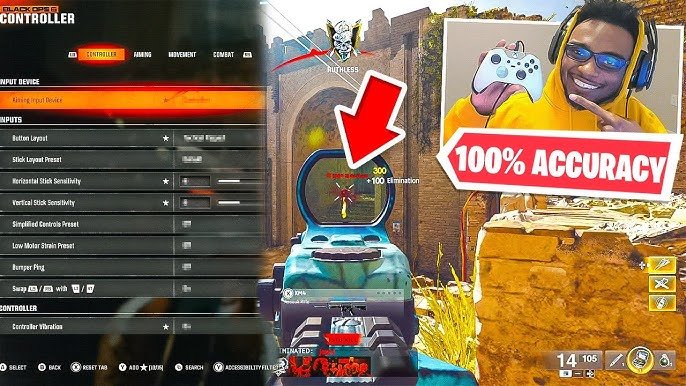
This ONE SETTING will HELP Improve your AIM On Battlefield 6!
Final Thoughts
To practice your aim without aim assist in Battlefield 6, focus on consistent practice in the training range. Experiment with different sensitivity settings to find what feels most comfortable and accurate for you. Then, slowly increase the difficulty as you improve.
Consistent practice is must for achieving accuracy. Try focusing on tracking moving targets, practicing flick shots, and learning recoil patterns of different weapons. Play online matches with aim assist disabled to apply your skills in real combat scenarios.
To sum it all up, dedication is key to improve your aim without that crutch. You can refine your abilities and become a formidable player. Ultimately, how to practice your aim without aim assist in Battlefield 6 involves targeted training, experimentation, and consistent application.