
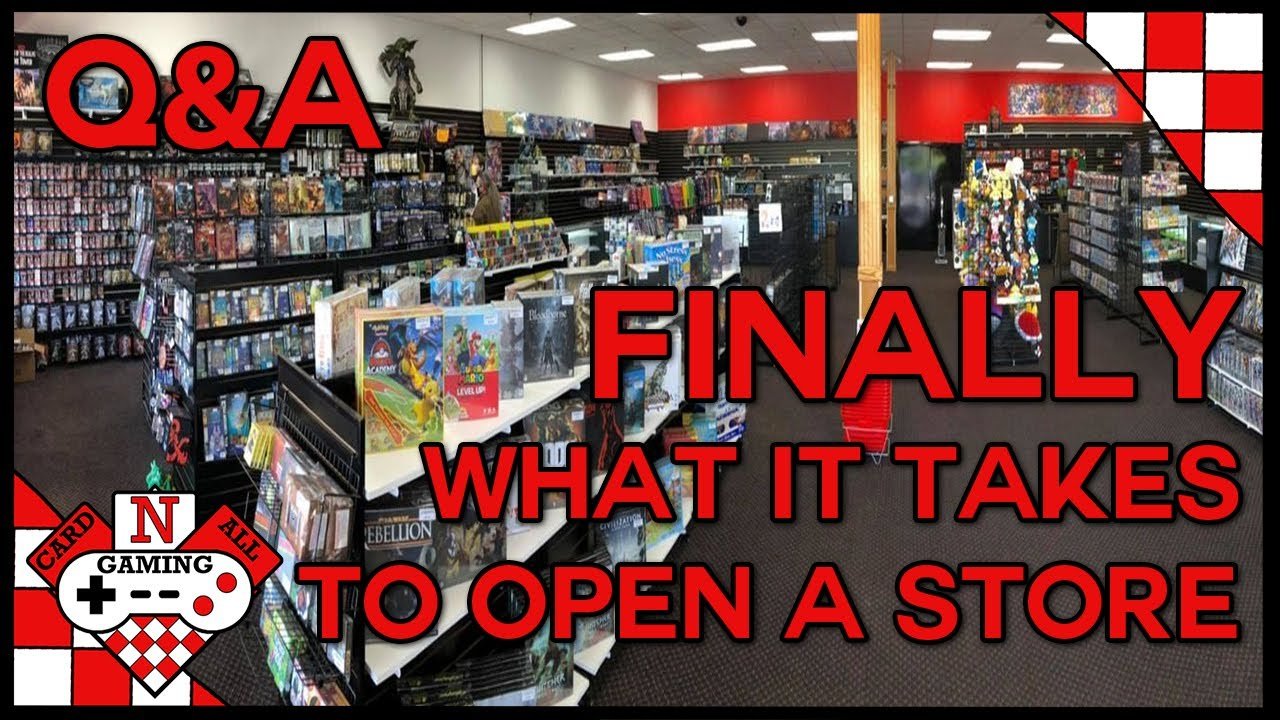
Starting a game store requires a solid business plan, securing funding, finding a suitable location, stocking inventory, and effective marketing.
Ever dreamt of turning your passion for games into a thriving business? Wondering how to start a game store and make it a reality? It’s more attainable than you might think!
This journey involves careful planning, a good understanding of the gaming community, and dedication to your dream. We’ll guide you through the essential steps.

How to Start a Game Store: Your Comprehensive Guide
So, you dream of owning a game store? That’s awesome! It’s a place where people gather, share their love for games, and build friendships. But, turning that dream into a real business takes planning and hard work. This guide will walk you through the important steps, making sure you’re ready to open the doors to your very own game store.
Planning Your Game Store
Before you even think about buying shelves or ordering games, you need a solid plan. Think of it like a map for your adventure. It will guide you through the challenges ahead and help you reach your goal of opening a successful game store.
Choosing Your Niche
The first thing you need to figure out is what kind of games will you sell? Will you focus on board games, trading card games (TCGs), video games, tabletop role-playing games (TTRPGs), or a mix of everything? Choosing a niche will help you attract the right customers and make your store stand out. Here’s a breakdown of some popular choices:
- Board Games: These are great for families and friends who enjoy playing together. Think strategy games, party games, and cooperative games.
- Trading Card Games (TCGs): Games like Magic: The Gathering, Pokémon, and Yu-Gi-Oh! have dedicated followings. These need extra space for playing events.
- Video Games: New and used consoles, PC games, and gaming accessories can draw a wide range of customers. Consider offering repair services as well.
- Tabletop Role-Playing Games (TTRPGs): Games like Dungeons & Dragons and Pathfinder need a dedicated following and often benefit from scheduled game nights.
- Mix of Everything: Offering a mix can appeal to a wider audience but will require careful inventory management.
Writing a Business Plan
A business plan is like a blueprint for your store. It helps you organize your thoughts and figure out all the important details. Your business plan needs to include:
- Executive Summary: A brief overview of your store, goals, and strategies.
- Company Description: What is your store all about? What makes you unique?
- Market Analysis: Who are your customers? Who are your competitors? What is the current game market doing?
- Products and Services: What exactly will you be selling? Will you host events? Will you offer repairs?
- Marketing and Sales Strategy: How will you reach your customers? How will you attract them to your store?
- Management Team: Who will be running your store? What are their skills?
- Financial Projections: How much money do you need to start? How will you make money?
The business plan doesn’t need to be overwhelming. You can use templates and resources online to make the process smoother. This planning is crucial because it lays the groundwork for your store’s success, ensuring you have a clear path forward.
Funding Your Game Store
Starting a business requires money. You need to cover rent, buy inventory, pay for utilities, and more. Here are a few ways you can get the money you need:
- Personal Savings: Using your own savings is a great start, but it might not be enough.
- Loans from Banks or Credit Unions: Business loans can help you cover startup costs, but you’ll need to have a solid business plan and good credit.
- Small Business Grants: Research grants offered by government agencies or private organizations.
- Investors: You can look for individuals willing to invest in your store, which often involves giving them a stake in your business.
- Crowdfunding: Platforms like Kickstarter or GoFundMe allow you to gather small amounts of money from many people, especially if your store has a unique or appealing idea.
Setting Up Your Store
Now that you have the plan and the money, it’s time to focus on the practical side of starting your game store. Here’s what you need to do to set up your store.
Finding the Right Location
Location is very important. You want a spot that is easy for your customers to find and that suits your store’s needs. Here are some things to think about:
- Visibility and Accessibility: Is the store easy to see from the road? Is there enough parking? Is it close to public transport?
- Foot Traffic: Is the area busy? Will you have enough customers walking by?
- Surrounding Businesses: Are there other businesses nearby that would attract the same type of customer? For example, having a pizza shop nearby can be beneficial for game nights.
- Size and Layout: Do you have enough space for your inventory? Do you have room for game tables? Consider storage needs, too.
- Lease Terms and Costs: What is the monthly rent? Are there any additional costs? Make sure you understand all the terms of the lease before signing.
Don’t rush into choosing a location. Look at several options and pick the one that fits your budget and your store’s needs.
Designing Your Store
The design of your store should be welcoming and organized. Think of it as creating a space where people want to spend time and explore. Here are some tips for designing your game store:
- Layout: Design a logical flow that guides customers through your store. Make sure there is enough space to move around without feeling cramped.
- Shelving and Display: Use shelving, racks, and display cases to showcase your games. Keep it tidy and organized. Use clear labels for categories and prices.
- Game Tables: If you plan on hosting game nights or events, include dedicated spaces with tables and chairs. Make them comfortable for people to sit and play for hours.
- Lighting: Make sure the store is bright and inviting. Use different types of lighting to highlight products and create a warm atmosphere.
- Ambiance: Add some personal touches that reflect your brand. Think about posters, artwork, and even music. Keep it fun and thematic.
A well-designed store makes shopping and playing more enjoyable, and keeps customers coming back.
Securing Necessary Licenses and Permits
Before you can officially open your doors, you need to make sure you have the right licenses and permits. These vary depending on where you live, so check with your local government. Some common licenses and permits include:
- Business License: This is a general permit to operate a business in your city or state.
- Sales Tax Permit: This allows you to collect sales tax from your customers.
- Resale Certificate: This can allow you to buy goods wholesale without paying sales tax.
- Building Permit: If you make any changes to your building, you may need a building permit.
- Zoning Permits: Make sure your business is allowed in the zone where your store is located.
It’s best to get all the necessary paperwork in order before you open. This will save you problems down the road.
Sourcing Inventory and Managing Stock
Having the right games in stock is critical for your success. You need to find the best way to get the games you want to sell, at prices that allow you to make a profit.
Finding Suppliers
You will need to partner with suppliers to get your inventory. Here are some options to consider:
- Game Distributors: These are companies that buy games from manufacturers and sell them to retailers. They often offer a wide selection of games.
- Game Publishers: You can also buy directly from the companies that make the games. This might be good for specialized games.
- Wholesale Marketplaces: Online platforms like Alibaba offer access to a variety of goods, but you need to vet these sources carefully.
- Used Games: If you plan on selling used games, you can purchase them from individuals or through other retailers.
It’s a good idea to work with several suppliers, to compare prices and ensure you have backup options. Build solid relationships with your suppliers.
Choosing Your Initial Inventory
Deciding what games to stock first can be tough. Here’s how to make wise choices:
- Popular Titles: Stock up on popular games that you know will sell.
- New Releases: Keep track of new games and be one of the first stores to have them.
- Customer Requests: Listen to your customers and stock the games they want to see.
- Your Niche: Focus on the games that fit into your chosen niche.
- Variety: Offer a mix of different types of games to cater to different preferences.
Don’t order too much inventory upfront. It’s better to start with a smaller stock and then order more as you need it. You will learn what sells over time.
Inventory Management
Keeping track of your stock is key to avoiding overstocking or running out of popular items. Here are some ways to manage your inventory:
- Inventory Software: Use software designed for retail stores to track your inventory. This can help you know what items you have, what items you need to order, and what items sell best.
- Regular Stock Checks: Do regular physical checks of your inventory to make sure the numbers in your system match what’s on the shelf.
- Demand Tracking: Keep an eye on what is selling well so that you can order more in time.
- Supplier Relationships: Work closely with your suppliers to get timely deliveries and avoid stockouts.
- Storage Solutions: Have good storage systems to keep your inventory organized and safe.
Good inventory management helps you make the most of your space, money, and time, ensuring that you can meet customer needs.
Marketing and Promotion
Having a great store is not enough if no one knows about it. You need to get the word out and make sure people are aware of your store and the things you sell. Here are some ideas to market your store.
Building an Online Presence
In today’s digital world, having a website or social media profile is very important. Here’s how to build your online presence:
- Website: Create a simple website with your store hours, location, and product listings.
- Social Media: Use social media platforms like Facebook, Instagram, and Twitter to share news, updates, and special offers. Post regular content and interact with your followers.
- Local Online Groups: Join local gaming groups and communities online and post about your store and events.
- Online Ads: Consider using targeted ads to reach specific groups of people who are interested in games.
- Email Marketing: Build an email list and send out newsletters with updates and special promotions.
Your online presence helps you reach customers outside your physical location. It can increase brand awareness and bring people into your store.
Local Marketing Strategies
Connect with your local community to reach more people. Here are a few local marketing ideas:
- Flyers and Posters: Put up flyers and posters in places where your target customers might see them, like schools, community centers, and libraries.
- Local Events: Participate in local festivals, markets, or community events. Set up a booth and show off your games.
- Local Partnerships: Work with local businesses, schools, and clubs to promote your store.
- Free Giveaways: Offer free giveaways, like small promotional items with your store’s logo on them.
- Grand Opening Event: Have a special opening day with discounts, games, and prizes to attract many people to your store.
Local marketing lets you build a strong connection to your community, creating loyal customers who will come back again and again.
Customer Loyalty Programs
Keeping your current customers happy is cheaper than finding new ones. Customer loyalty programs make customers feel appreciated. Here are some programs you can consider:
- Points System: Give customers points for every purchase they make. They can then use these points to get discounts.
- VIP Membership: Offer a paid membership with special discounts, early access to new products, and special events.
- Special Deals: Offer special deals just for loyal customers, like discounts on their birthday or other anniversaries.
- Personalized Service: Learn the names of your regular customers, remember what they like, and offer personalized advice.
- Loyalty Card: Provide physical loyalty cards that customers can use every time they shop.
A loyalty program helps you retain customers, encouraging them to continue choosing your store for their gaming needs.
Operating Your Game Store
Once your store is up and running, your job is not done. You need to maintain it and make sure it operates smoothly. Let’s look at the ins and outs of running a game store.
Providing Excellent Customer Service
Customer service is the backbone of any good business. Here are ways to ensure happy customers:
- Be Knowledgeable: Train your staff to be experts on your products. They should be able to answer questions and make good recommendations.
- Be Friendly and Helpful: Make customers feel welcomed and valued when they come into your store.
- Handle Complaints Quickly: If a customer has a problem, address it quickly and find a solution.
- Encourage Feedback: Ask for feedback and use it to improve your store.
- Create a Community: Make your store more than just a place to buy games. Make it a place where gamers feel welcome and at home.
Hosting Events and Tournaments
Game nights, tournaments, and other events can help you build a loyal customer base. Here are ideas for events you can host:
- Game Nights: Host regular board game nights, TCG tournaments, or role-playing game groups.
- New Game Demos: When a new game comes out, hold a demo so people can try it.
- Special Events: Host special events for holidays or other celebrations.
- Guest Speakers: Invite game designers or artists to do guest sessions in your store.
- Learn to Play Sessions: Have sessions where you can teach people how to play certain games.
Hosting events turns your store into a community hub, making it more appealing to your customers.
Managing Finances
Keeping track of your money is vital. Here are some financial management tips:
- Track Your Income and Expenses: Use bookkeeping software or a spreadsheet to track your money.
- Pay Bills on Time: Keep your accounts in order to avoid penalties.
- Create a Budget: Make a budget and stick to it.
- Plan for Slow Times: Have money set aside to cover slow periods.
- Consult an Accountant: Get help from a professional when you need it.
Good financial practices make sure your business stays strong and profitable.
Growing Your Game Store
After you’ve opened your doors, it’s important to think about how to continue growing. Here are some strategies to make sure your store evolves:
Staying Updated
- Keep Up With Game Trends: The gaming industry is always changing. Keep an eye on new releases, popular games, and other happenings.
- Connect With Other Retailers: Talk to other game store owners and learn from their experiences.
- Attend Industry Events: Attend trade shows and conferences to learn about new products and trends.
- Seek Customer Feedback: Listen to your customers and adjust based on their suggestions.
- Adopt New Technologies: Use technology to improve your business, such as better inventory systems, point of sale, and online marketing.
Expanding Your Business
- Open Another Store: If your first store is successful, consider opening a second location.
- Expand Your Product Line: Add new products to your store.
- Create a Community Space: Look for ways to expand your space and make your store more appealing to your customers.
- Start an Online Store: Expand your sales to people who don’t live near you, you can open an online shop.
Growing your store keeps your business competitive and exciting for customers.
Opening a game store takes passion, planning, and a lot of hard work. It can be a rewarding experience if you put in the time and effort. By following these guidelines, you will set yourself up for success. Now go get started and open up the game store of your dreams!
How to Open A Local Game Store- Motivation
Final Thoughts
Starting a game store involves planning: secure funding, find a suitable location, and obtain necessary licenses. Carefully curate your inventory with popular games and accessories to draw customers.
Effective marketing is crucial, consider social media and local events. Build strong customer relationships and focus on providing excellent service. Now you have the key ideas for how to start a game store.

