
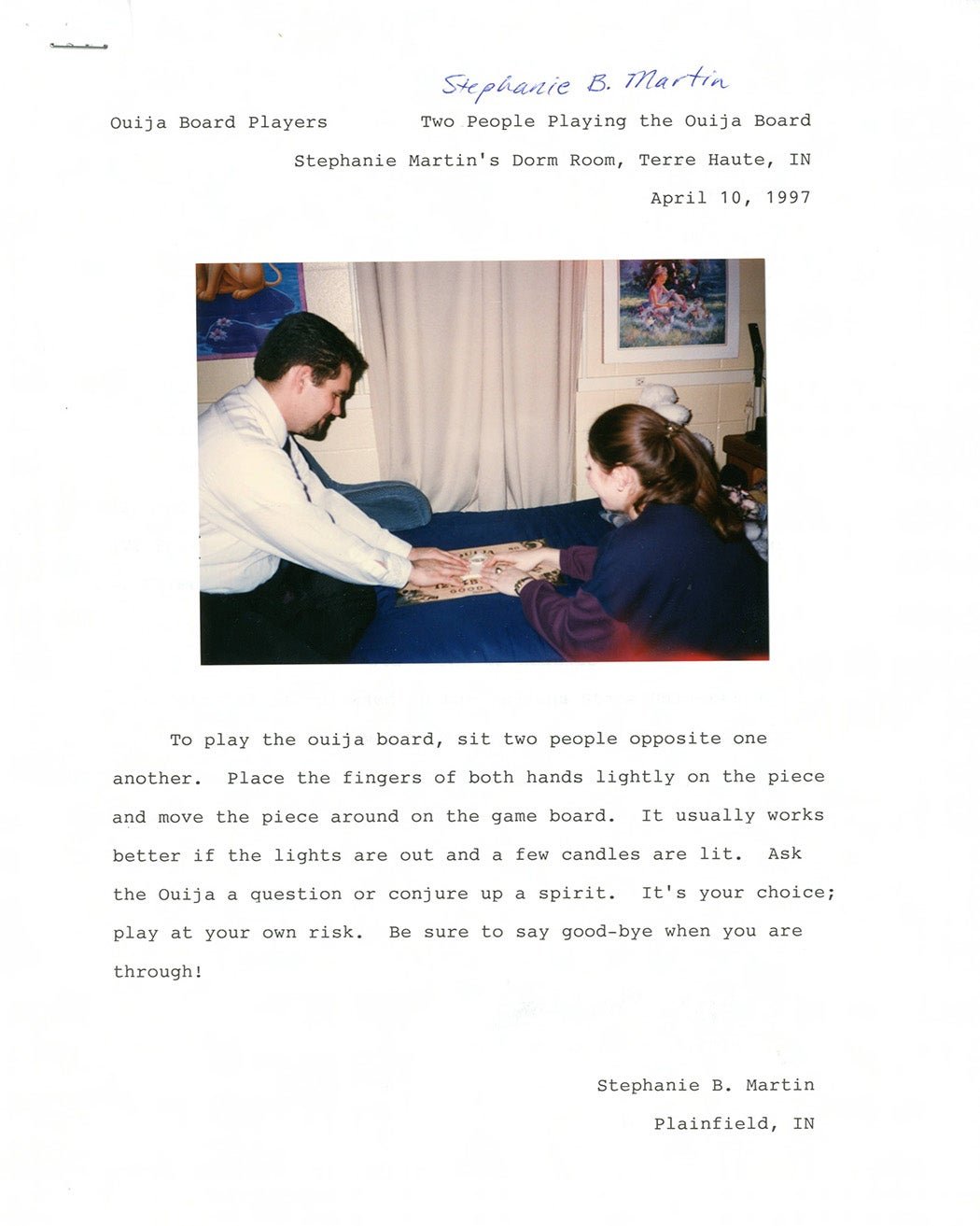
To start a ouija board game, gather a planchette, the board, and at least one other participant. Place your fingertips lightly on the planchette and ask a question.
Curiosity piqued? Many people find themselves wondering how to start a ouija board game, drawn by its mysterious nature. It’s more than just a game, it’s a practice shrouded in folklore and speculation. It’s important to approach the ouija board with respect and awareness of potential implications.

How to Start a Ouija Board Game
So, you’re curious about the Ouija board, also sometimes called a spirit board or talking board? It’s a flat board marked with the letters of the alphabet, numbers 0 through 9, the words “yes,” “no,” “hello,” and “goodbye,” and sometimes other symbols. It also includes a planchette, which is a small, movable pointer, often heart shaped or tear shaped. Using a Ouija board is thought to be a way to communicate with spirits, ghosts, or other entities. But before you try to chat with the other side, it’s really important to understand how to do it correctly. This article will guide you through the steps you need to start a Ouija board game safely and respectfully.
Choosing the Right Setting
Before you even think about touching the board, you need to find the perfect place. Think of it like setting the stage for a play; the right setting can make all the difference. You need a place that feels calm and undisturbed. You don’t want loud noises or interruptions messing with your concentration or, some believe, the connection you might be trying to make. Here’s what to look for:
- Peace and Quiet: Choose a room that’s generally quiet. Avoid busy areas of the house or rooms where people are likely to walk in and out often. Turn off TVs, radios, and anything that makes loud noises. The quieter it is, the better.
- Comfortable Space: The place should feel comfortable for you and the other players. You’ll want to be able to sit around the board without feeling cramped or awkward. A table or large, flat surface is often ideal.
- Good Lighting: While you don’t need bright, glaring lights, it’s helpful to have enough light that everyone can see the board clearly. Soft lighting is often best. Consider using candles or a lamp rather than harsh overhead lighting if you want to set the mood further.
- Respectful Environment: Most importantly, make sure the area feels respectful. You shouldn’t use a Ouija board in a place where you would feel uncomfortable or disrespected.
Gathering Your Participants
Playing with a Ouija board is not a solo activity. It’s meant to be done with at least two people, sometimes more. The energy of the group can influence the session, so it’s important to choose your partners wisely. Here’s what you should keep in mind when choosing your group:
Choosing the Right People
- Mature Players: It’s best to choose people who are mature and who will treat the game with respect. Avoid playing with people who are likely to be disruptive, make fun of the process, or not take it seriously. A serious mindset is key to keeping the energy right and ensuring that you’re not inviting something you cannot handle.
- Respectful Attitudes: Make sure everyone understands that this is not just a game. It can be seen as an attempt to communicate with the unknown and it should be taken seriously. All players need to agree to act respectfully and follow the guidelines you’ve set beforehand.
- Even Mindsets: Avoid people who are highly emotional or going through a lot of stress. Their energy can sometimes disrupt the session. Try to gather a group of calm and focused individuals.
- Agree on Rules: Make sure before you start that everyone knows and agrees to the rules. It is best to avoid unnecessary drama during the session and keep it focused.
Preparing the Board
Once you’ve chosen your location and players, it’s time to prepare the board itself. This part is about getting everything set up so that the actual session can run smoothly and respectfully. Here’s what to do:
Setting Up the Board
- Placement: Place the Ouija board on a flat, stable surface, making sure it is easy for everyone to reach. A table works best, but a floor will work too.
- Center the Planchette: Place the planchette in the center of the board. The pointer should not be on any of the letters or numbers when you begin. Make sure everyone can easily see and touch the planchette.
- Cleanse the Board (Optional): Some people choose to cleanse the board before each session. This is especially useful if it’s been a while since you’ve used the board, or you’re not sure who used it last. You can do this by gently wiping the board with a soft cloth or using a smudge stick (like sage) to waft smoke over it.
Establishing Clear Rules and Intentions
Before anyone touches the planchette, it’s really important to set some ground rules. You need to be on the same page about what you want from the session. This helps you maintain control and keeps things respectful. Here’s what you should establish:
Setting the Ground Rules
- Purpose: Ask each other why you are doing this. Having a clear goal in mind can guide the session. Are you curious about a particular spirit? Are you just seeking answers to questions? Understanding your intent is key.
- Respectful Communication: Always speak respectfully to any spirits you might encounter. Use polite language and avoid being rude or challenging.
- Specific Questions: It’s a good idea to have a list of questions prepared ahead of time. This can help focus your session and prevent it from getting chaotic.
- Protection: Before beginning, some people may choose to say a prayer, create a circle of protection, or use other methods to ensure safety and a positive experience. This can involve reciting a specific phrase, asking for protection from positive forces, or even just visualizing a protective barrier around the group.
- Goodbye Protocol: Decide how you’ll end the session. Most importantly, always say “goodbye” and move the planchette to the “goodbye” mark.
- No Personal Information: Avoid asking the spirits for personal information about yourself or others (such as full names, addresses or specific details about their past). This can be seen as a violation of privacy.
Starting the Session
Now, with everything set up and all of your intentions clarified, you’re ready to actually begin. But it’s not just about putting your fingers on the planchette and waiting for it to move. It’s important to start in a calm and controlled manner. Here are the steps:
Initiating the Connection
- Gentle Touch: Everyone should place their fingertips lightly on the planchette. Avoid pressing down hard or trying to force it to move. The movement should be smooth and natural.
- Opening Statement: Before the planchette begins to move, you should start with an opening statement. This can be something like, “Is there anyone present who wishes to communicate with us?” Or, “We respectfully ask if anyone wishes to speak with us through the board.”
- Be Patient: It might take some time for the planchette to start moving. Don’t rush or get frustrated. Patience is key during the initial stage of the session. Allow for natural movements, and be careful not to inadvertently move it yourself.
- Ask Clearly: When you ask a question, do so clearly and calmly. Try to keep your questions simple and avoid using overly complex words.
- Be Observant: Pay close attention to how the planchette moves and the letters it spells out. Write down what it spells if you’re doing long communications. It will help you if you decide to look at the conversation later.
Communicating with the Spirit World
So, the planchette is moving! You’re getting answers to your questions, and you might be communicating with something you cannot see. This is where you have to be very careful about the information you are receiving. Here’s what to keep in mind:
Engaging in Dialogue
- Simple Questions: Start with basic questions that require simple “yes” or “no” answers. This will help you gauge if you’re actually making a connection and how clear that connection might be.
- Clarify Responses: If the answers you are receiving are unclear, ask for clarification. For example, you might say, “Could you please repeat that?” or “Could you spell that out again?”
- Verify Information: If you receive any information from the board, especially details about spirits’ identities, try to verify it independently. If it is false, it will help you understand what you are dealing with.
- Stay Respectful: Maintain a respectful tone throughout the communication. Avoid being argumentative, rude, or demanding. Remember that the board should be seen as a conversation, not an interrogation.
- Trust Your Gut: If you feel uneasy, uncomfortable, or scared at any point during the session, it’s OK to end it. Don’t feel pressured to continue if you don’t feel safe or if something doesn’t feel right.
Ending the Session
Just as important as starting a session correctly is ending it properly. You don’t want to leave any energy open. Always end the session respectfully and mindfully. Here’s how:
Closing the Connection
- Say “Goodbye”: When you’re ready to end the session, clearly state, “We are now ending the session. Thank you for communicating with us.”
- Move the Planchette: Gently move the planchette to the “goodbye” marker on the board. Make sure that everyone is on board and not moving it erratically.
- Remove Your Hands: Once the planchette is on “goodbye,” everyone should remove their fingers from it. Do not leave the planchette on any letter after you are done.
- Close the Session with Intention: Some people choose to say a final phrase or prayer to close off the connection and seal the session. Again, that is a personal choice.
- Store the Board Safely: After the session, carefully store the board in a safe place until you use it again. If you feel it is important to you, you can keep it wrapped in a black cloth.
Important Safety Considerations
It’s also important to go into a Ouija board game knowing that it’s not just a game. It’s seen by many as a way to communicate with the unknown, and you need to approach it with a level of seriousness and caution. Here are some safety concerns to remember.
Essential Safety Practices
- Emotional Stability: As mentioned before, it’s really crucial that everyone who plays is emotionally stable. If anyone in the group is going through emotional problems, it is best to not have them in the game. Negative energies can disrupt the session and lead to unpleasant outcomes.
- Don’t Play Alone: Never use the Ouija board alone. The energy created during the game is stronger with multiple people. It’s important to have others present for support and to keep the energy in balance.
- Avoid Negative Energy: Keep the mood light. Try to keep the focus on seeking truthful answers, and avoid joking about the spiritual presence.
- Trust Your Intuition: If you sense negativity, stop immediately and end the session respectfully. You do not have to continue if you feel uncomfortable. The Ouija board is meant for a safe experience, and any discomfort should be taken seriously.
- Protect Yourself: Some people believe in the importance of protecting yourself before you start. This can involve prayer, visualization, or other means that are aligned with their beliefs.
- Research: You also need to research what a Ouija board is and what its usage can be before using it. Reading or watching some documentaries about it is also a very good way of gathering more information.
By following all of these steps, you will be able to start a Ouija board game in the most responsible and respectful way. Always remember that you are dealing with the unknown, so it’s very important to proceed with caution and a clear head. If you ever feel scared or uncomfortable, end the session immediately.
How to Use a Ouija Board | Psychic Abilities
Final Thoughts
To begin, you must have a ouija board, a planchette, and willing participants. Find a quiet, calm space and gently place your fingers on the planchette. State your intention clearly and ask simple questions first. This ensures a more controlled experience.
Starting a ouija board game requires focusing your mind. Approach the process with respect. Remember, you’re inviting communication, so be mindful and cautious of the answers you may receive. Maintain a serious mindset.

