
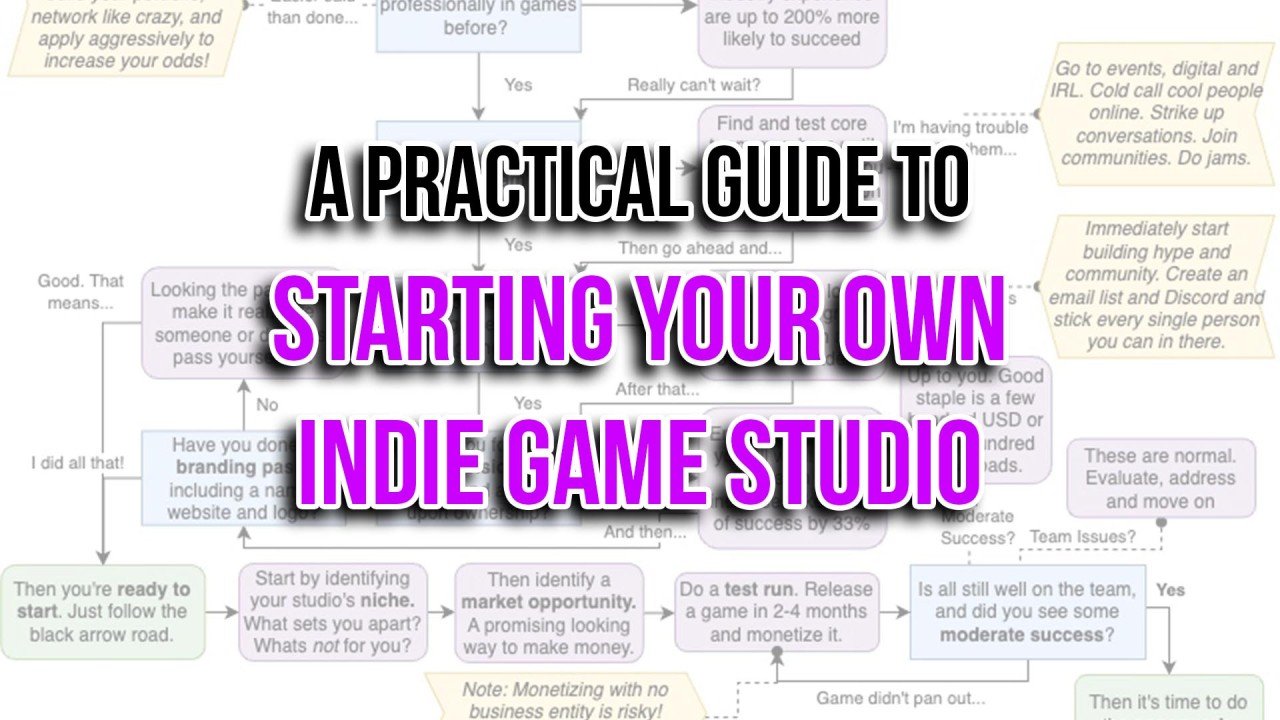
Starting an indie game studio requires planning, skill development, team assembly (if needed), and consistent effort in game development and marketing.
So, you dream of creating your own video games and wondering how to start an indie game studio? It’s an exciting journey that combines passion with hard work. Many aspiring developers have this same question.
It begins with a solid game concept and the skills to make it a reality. You will need to decide if you want to go solo or with a team. The path to launching your indie studio might be challenging.

How to Start an Indie Game Studio
Starting your own indie game studio can be an exciting journey. It’s a chance to bring your creative ideas to life and share them with the world. But where do you begin? It might seem like a mountain of tasks, but we can break it down into manageable steps. Think of it like building with LEGOs – one piece at a time, you create something amazing. Let’s explore all the key areas you’ll need to think about as you take your first steps into the world of indie game development.
Finding Your Passion and Defining Your Studio
Before you even think about coding or art, you need to figure out what kind of games you want to make. This step is all about passion and focus.
What Kind of Games Do You Love?
First, think about the games you love to play. What makes them fun? Is it the story, the challenge, the characters, or the unique gameplay? Understanding your own taste is a great starting point. Don’t try to make a game you think will sell; make a game you’re excited about. When you’re passionate, it shows in your work. This helps you create something special. This process also helps you find a niche for your studio.
Defining Your Studio’s Focus
Think about the big picture. What kind of studio do you want to be? Do you want to focus on:
Making small, experimental games?
Creating big, immersive worlds?
Developing games for specific platforms like mobile, PC, or consoles?
Specializing in a certain genre, such as puzzles, platformers, or role-playing games?
Choosing a focus helps you streamline your process and attract the right audience. It also helps when you’re trying to market your games to a player.
Your Studio’s Name and Identity
Your studio’s name is important. It is your brand. Choose something that reflects your style and vision. Make it memorable and easy to spell. Think of your logo and overall aesthetic too. It should fit the kinds of games you want to make. For example, a playful, cartoony logo might work well for a studio making kids’ games, while a dark, minimalist logo might suit a studio that specializes in horror titles.
Assembling Your Team and Skills
Making a game isn’t usually a one-person job. You’ll probably need a team, even if it’s a small one. This section deals with building that group.
Identifying Essential Roles
What roles do you need to create a game? Here are a few of the most important ones:
Game Designer: The game designer comes up with the concept, rules, and overall experience of the game. They are the architect of your game. They’re responsible for making sure it’s fun.
Programmer: This person writes the code that makes the game work. They are the ones who bring your ideas to life. They have skills in game engine programming.
Artist: This role handles all the visuals. They create characters, environments, and everything else you see in the game. They might be 2D artists or 3D modelers.
Sound Designer/Composer: The sound designer makes all the noises and effects for the game. The composer creates the music. This role adds another dimension to your game.
Producer/Project Manager: This person keeps everything on track. They handle schedules, budgets, and communication. This is a vital role for any team.
Finding the Right People
Where do you find these people? Here are a few ideas:
Friends and Family: If they have the right skills, they might be a great starting point.
Online Communities: Forums and Discord groups are full of people who love game development.
Local Game Jams: These events are a good way to meet fellow developers.
Online Job Boards: Sites such as Upwork or Fiverr may have people with expertise in particular areas.
Working as a Team
Working with others is important. You need to be able to:
Communicate clearly.
Share ideas.
Give and receive feedback.
Resolve conflicts.
Make sure you create a positive and supportive atmosphere within your studio. Also be sure to acknowledge each team members skills and contributions. This helps improve team morale and output.
Choosing Your Tools and Technologies
Now that you have your team, you need tools to create your game. This section will help you choose the best ones.
Game Engines
A game engine is like the foundation for your game. It gives you all the tools to create your worlds, characters, and gameplay. Some popular options include:
Unity: Unity is a very popular engine. It is known for its flexibility and large community. This large community is a big asset when getting started with Unity.
Unreal Engine: Unreal Engine is also quite popular. It is known for its graphics. It is a good option if you want to create a game with stunning visuals.
Godot Engine: This is a free and open-source engine. It is growing in popularity, especially amongst indie devs, and a perfect engine to start with for beginners.
Which engine you choose will depend on your game and your preferences. Research them before deciding.
Art Software
To create art, you need the right software. Here are some popular options:
Photoshop or GIMP: For 2D art and textures. Gimp is free, so it’s a great option to get started with.
Blender or Maya: For 3D modeling and animation. Blender is free and very powerful.
Aseprite or Pyxel Edit: For pixel art, perfect for retro games.
Sound Software
The sounds of the game are critical for atmosphere. Here are some helpful tools:
Audacity or Reaper: For recording and editing sounds. Audacity is free and open-source.
FL Studio or Ableton Live: For creating music and sound effects. These are professional tools with more advanced functionality.
Version Control
It’s important to track your changes to the game as you work. Use version control software like:
Git: Most common system used by software developers.
GitHub or GitLab: Online platforms for hosting Git repositories.
Using version control is essential if you have more than one person working on your game. It ensures no work is overwritten.
Planning Your Game Development
Good planning is the key to success. This section guides you through the planning process.
Creating a Game Design Document (GDD)
The GDD is like the blueprint of your game. It should include:
Game concept: A brief summary of what your game is about.
Target audience: Who is this game for?
Gameplay mechanics: How does the game work?
Story/narrative: What is the story? If the game has one.
Art style: What does the game look like?
Sound design: What is the music/sound like?
Level design: What will the world of your game look like?
The GDD is a living document. You should update it as you progress on your game.
Breaking Down Tasks
Break down the overall project into smaller, manageable tasks. Assign each task to the team members. Consider using project management tools like:
Trello or Asana: These help you organize your tasks and track your progress.
Google Sheets or Excel: These are great for creating lists and schedules.
Setting a Timeline
Set a realistic timeline for your project. Break down your project into milestones. Track them as you develop the game. Avoid being too ambitious, start with a smaller project as a first release.
Playtesting
Playtest your game early and often. This helps find and fix bugs and gameplay problems. Get feedback from people outside your team, to get a fresh perspective on your game.
Financial Planning and Budgeting
Making a game costs money. Here’s how you can plan for your finances.
Estimating Costs
Figure out how much money you’ll need. Consider:
Software licenses
Hardware
Freelancer fees (if you need to hire them)
Marketing costs
Living expenses (if you’re working full-time)
Funding Options
Where will you get the money? Consider these options:
Personal Savings: Use your own money to kickstart your studio.
Friends and Family: Ask for help from people you know.
Grants: Check for government and private grants for game development.
Crowdfunding: Use platforms like Kickstarter or Indiegogo to get pre-orders.
Publishers: Get support from a publisher. They might be able to help with funding and marketing.
Investors: This is a bit harder for a start-up studio but you could look for investors to help fund the game.
Creating a Budget
Make a budget to track your expenses and income. It helps you stay on track and avoid financial trouble. A budget can help you determine how much money you need, and how to use the money you have.
Marketing and Promotion
It’s not enough to just make a great game, people need to know about it. This section explores ways to promote your game.
Building a Community
Start building a community around your game before it is even released.
Social Media: Share updates, art, and gameplay videos on Twitter, Instagram, and TikTok.
Discord: Create a Discord server where fans can interact with you and other players.
Mailing List: Collect email addresses to keep fans updated about your game.
Devlogs: Share your progress on platforms like YouTube or a blog.
Livestreams: Stream development sessions or gameplay. This lets players experience your work.
Creating a Trailer
A good trailer is vital for generating hype. Keep it short, engaging, and show the best parts of your game.
Reaching Out to Media and Influencers
Reach out to websites, blogs, and YouTubers. Send them previews of your game. This helps you reach a larger audience. Consider paying for advertisements on social media platforms, or targeted ads on certain gaming news websites.
Participating in Game Events
Attend game conventions and festivals. This gives you an opportunity to showcase your game and meet other developers.
Legal and Business Considerations
You need to think about the legal and business side too. This section will discuss it.
Choosing a Business Structure
Decide what kind of business you want to be:
Sole Proprietorship: Simple to set up but has personal liability.
Limited Liability Company (LLC): Provides more protection.
Corporation: Most complex but suitable for larger studios.
Registering Your Business
Register your business name and get any required licenses.
Contracts
When working with others, or when publishing a game, have contracts. They should specify how much you will be paid, deadlines, deliverables, and what you’re willing to do.
Intellectual Property (IP)
Protect your work. This might include trademarks or copyrights. Consider registering your game titles and game assets with the proper regulatory bodies.
Launching Your Game
After a lot of hard work, it’s time to launch your game.
Choosing a Platform
Decide where you will release your game. Options include:
Steam: The biggest digital store for PC games.
Itch.io: An indie game platform.
Mobile App Stores: Google Play Store and Apple App Store.
Consoles: PlayStation, Xbox, and Nintendo Switch.
Preparing the Store Page
Make your store page attractive and informative. Include screenshots, videos, descriptions, and customer reviews.
Pricing Your Game
Choose a price point that is fair for your game. Think about your production costs and your target audience. Also consider the prices of your competitor’s games when making this decision.
Post-Launch Support
After the launch, continue to support your game with patches and updates. Listen to player feedback. This builds a stronger community for your game.
Starting an indie game studio is a lot of work, but it’s also very rewarding. With planning, passion, and the right team, you can bring your game ideas to life and achieve your goals. This path requires a lot of effort, but if you are dedicated, the journey will be an exciting one. Remember to be patient, learn from your mistakes, and most importantly, have fun.
How To Start A Game Studio (LEGALLY)
Final Thoughts
Starting an indie game studio requires passion and planning. First, form your core team and define your game’s vision. Secure funding through savings or small grants.
Next, develop a manageable prototype. This helps iterate quickly and test core mechanics. Learn as you go and adjust your plan.
Finally, market your game and build a community. Remember, figuring out ‘how to start an indie game studio’ takes dedication. Stay persistent, and you will achieve your goals.

