
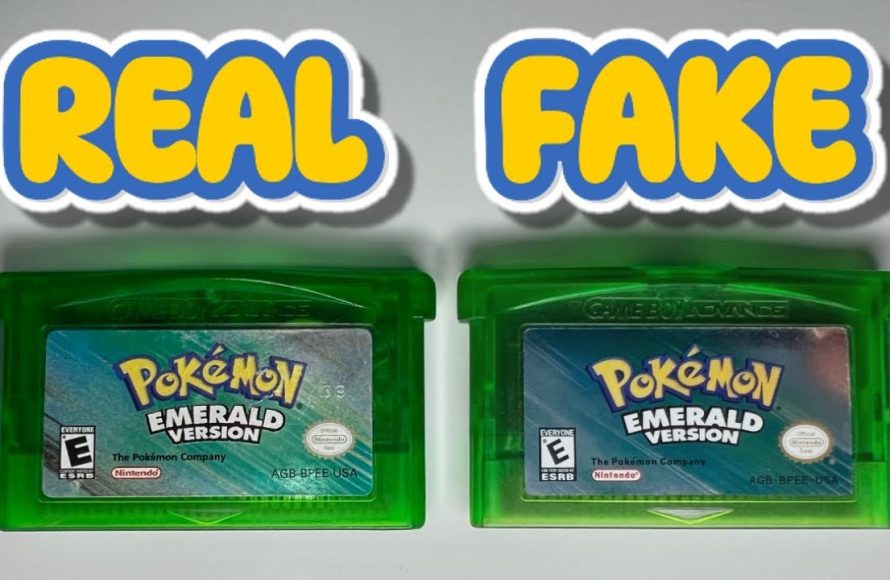
Here’s how to tell if a Game Boy Advance game is fake: Carefully inspect the cartridge’s label, plastic quality, screws, and game code. Compare it to known authentic versions and check online databases for reported fakes.
Ever felt that nagging doubt after snagging what seemed like a fantastic deal on a classic Game Boy Advance game? You’re not alone. Many collectors and gamers face the challenge of spotting counterfeit cartridges.
Knowing how to tell if a Game Boy Advance game is fake is vital for protecting your investment and ensuring you’re getting the genuine gaming experience. From subtle label discrepancies to questionable cartridge construction, we’ll guide you through the key indicators of a fake GBA game.

How to Tell if a Gameboy Advance Game is Fake
It’s disappointing to think you’ve scored a rare GBA gem only to discover it’s a fake. Counterfeit games are unfortunately common, but with some careful observation, you can often spot them.
This guide will walk you through the key indicators of a fake Game Boy Advance (GBA) game. We’ll explore everything from the cartridge itself to the packaging and even the gameplay.
Examining the Cartridge
The cartridge is the first place to start your investigation. Authentic GBA cartridges have specific characteristics that are difficult for counterfeiters to replicate perfectly.
Label Quality
A blurry or pixelated label is a major red flag.
Genuine labels are crisp and clear, with vibrant colors and sharp text.
Inspect the label closely for any inconsistencies in the font, color saturation, or overall print quality.
Label Material and Adhesive
Feel the texture of the label.
Official labels are typically made of a high-quality, glossy material, or sometimes a matte material, depending on the region and game.
Fake labels often use cheap paper that feels thin and easily peels off. Check for uneven adhesive application or air bubbles under the label.
Game Code and Imprints
Look for the game code embossed into the label. This is usually found at the bottom right or left.
The game code should match the code printed on the game’s circuit board.
The “Nintendo” logo and the “Game Boy Advance” text should also be perfectly aligned and sharply imprinted on the cartridge plastic.
Cartridge Plastic Quality
Examine the plastic of the cartridge.
Real GBA cartridges are made from a durable, high-quality plastic.
Fake cartridges often use cheaper, lighter plastic that feels flimsy.
Look for imperfections in the molding, such as rough edges or uneven surfaces.
Cartridge Color
The color of the cartridge itself is important.
Most GBA games came in the standard gray color, but some had different colors.
Pokemon Emerald, for example, came in a translucent emerald green. Be wary of colors that don’t match the original release.
Screw Type and Presence
Authentic GBA cartridges use a special tri-wing screw to hold the case together.
If you see a Phillips head screw, it’s almost definitely a fake.
Sometimes counterfeiters will leave out the screw entirely.
Checking the Game Packaging
If the game comes with its original box and manual, this provides more clues.
Box Quality and Print
The box should be made of sturdy cardboard with high-quality printing.
Check for blurry images, pixelated text, or misaligned colors.
Pay close attention to the Nintendo logo and other official trademarks.
Manual Quality and Content
The manual should be printed on high-quality paper with clear text and images.
Look for spelling errors, grammatical mistakes, or inconsistent formatting.
The manual should also contain the correct game information and copyright notices.
Region Code
The region code on the box should match the region of the game you’re expecting.
For example, a game released in North America should have a “USA” region code.
Mismatched region codes are a strong indicator of a fake.
Inserts and Extras
Many GBA games came with inserts like promotional materials, registration cards, or health and safety warnings.
The presence or absence of these inserts can be a clue.
However, keep in mind that these inserts can be easily lost or discarded over time.
Gameplay and Functionality
Even if the cartridge and packaging look convincing, the gameplay can reveal a fake.
Game Loading and Saving
Fake games may take longer to load than genuine games.
They may also have problems saving progress or corrupting save data.
Test the game thoroughly to ensure that it loads quickly and saves properly.
Translation Quality
If the game is in a language you understand, pay attention to the translation quality.
Poor translations with grammatical errors and awkward phrasing are common in fake games.
This is especially true for games that were originally released in Japanese or other languages.
Gameplay Glitches and Bugs
Fake games may have more glitches and bugs than genuine games.
These can range from minor graphical errors to game-breaking bugs that prevent you from progressing.
Keep an eye out for any unusual or unexpected behavior.
Sound Quality
The sound quality of fake games may be noticeably worse than genuine games.
The music and sound effects may sound distorted, muffled, or incomplete.
Compare the sound quality to videos of the game online to see if there’s a difference.
Tools and Resources for Verification
There are several tools and resources that can help you verify the authenticity of a GBA game.
Online Databases and Communities
Websites like NintendoAge and forums dedicated to retro gaming are invaluable resources.
These communities often have databases of verified games and guides on how to spot fakes.
You can also post pictures of your game and ask for opinions from other collectors.
Game Authentication Services
Some companies offer professional game authentication services.
These services will examine your game and provide a certificate of authenticity.
However, these services can be expensive, so they’re typically only used for high-value games.
Using a Multimeter
While more advanced, a multimeter can measure the resistance on the cartridge’s test points.
This requires knowing the correct readings for a genuine cartridge.
This method can definitively identify many fakes, but requires soldering skills and technical knowledge.
Specific Game Examples and Common Fakes
Some GBA games are more commonly faked than others. Knowing which games to be extra careful with is helpful.
Pokémon Games (Emerald, FireRed, LeafGreen, Ruby, Sapphire)
These are some of the most frequently counterfeited GBA games due to their popularity and value.
Common Fake Indicators: Blurry labels, poor cartridge plastic, saving issues, incorrect font on the label.
Specific to Emerald: A dark, non-translucent green cartridge is a dead giveaway.
Specific to FireRed/LeafGreen: Ensure the infrared port is properly implemented if claimed.
Mother 3 (EarthBound 3)
This game was never officially released outside of Japan, making any English version immediately suspicious.
Common Fake Indicators: Obvious translation errors, poor packaging quality (if present), and cartridge inconsistencies.
Language: If you’re seeing an English version readily available, proceed with extreme caution.
Fire Emblem Games (Sacred Stones, Fire Emblem)
Popular strategy RPGs that attract counterfeiters.
Common Fake Indicators: Low-quality printing on the label, saving issues, and unexpected glitches.
Cartridge Markings: Check for proper Nintendo imprints and consistent font usage.
Common Red Flags Summarized
Here’s a quick recap of the key things to look for when assessing a GBA game’s authenticity.
Label Issues
Blurry Graphics: Avoid games with fuzzy or unclear labels.
Incorrect Font: Compare the font to images of authentic labels online.
Peeling or Damaged Labels: Check for signs of wear or tampering.
Misaligned Labels: The label should be perfectly centered and aligned on the cartridge.
Cartridge Flaws
Wrong Screw Type: Tri-wing screws are a must for legitimate cartridges.
Cheap Plastic: The cartridge should feel solid and well-made.
Incorrect Color: Research the correct cartridge color for the specific game.
Missing Nintendo Logo: Verify the presence and quality of the Nintendo logo.
Gameplay Problems
Loading Issues: Long loading times can indicate a fake.
Saving Problems: Test the saving functionality thoroughly.
Glitches and Bugs: Watch out for unusual or unexpected behavior.
Poor Sound Quality: Compare the sound to videos of authentic gameplay.
What to Do If You Suspect a Fake
If you suspect that a GBA game is fake, take the following steps.
Contact the Seller
If you purchased the game from an online seller, contact them immediately and explain your concerns.
Many reputable sellers will offer a refund or exchange if you received a counterfeit item.
Report the Seller
If the seller refuses to cooperate, report them to the platform where you made the purchase (e.g., eBay, Amazon).
This will help protect other buyers from being scammed.
Leave a Negative Review
Leave a detailed review of your experience with the seller.
This will warn other potential buyers about the possibility of receiving a fake game.
Educate Others
Share your knowledge with other collectors and gamers.
By spreading awareness, you can help reduce the demand for counterfeit games and protect the retro gaming community.
10 Ways to Spot Fake GBA Games (quick and to the point)
Final Thoughts
To tell if a Game Boy Advance game is fake, carefully inspect the cartridge. Check the label for blurry or misaligned printing. Compare the game’s shell color and plastic quality to authentic copies.
A genuine cartridge must have a Nintendo logo that looks crisp and well-defined. Also, examine the cartridge’s screws and the game code on the label. It needs to match the code displayed on the game screen.
How to tell if a Game Boy Advance game is fake boils down to meticulous observation. These steps are essential; scrutinizing label quality, shell details, and code consistency helps identify counterfeit games.

