
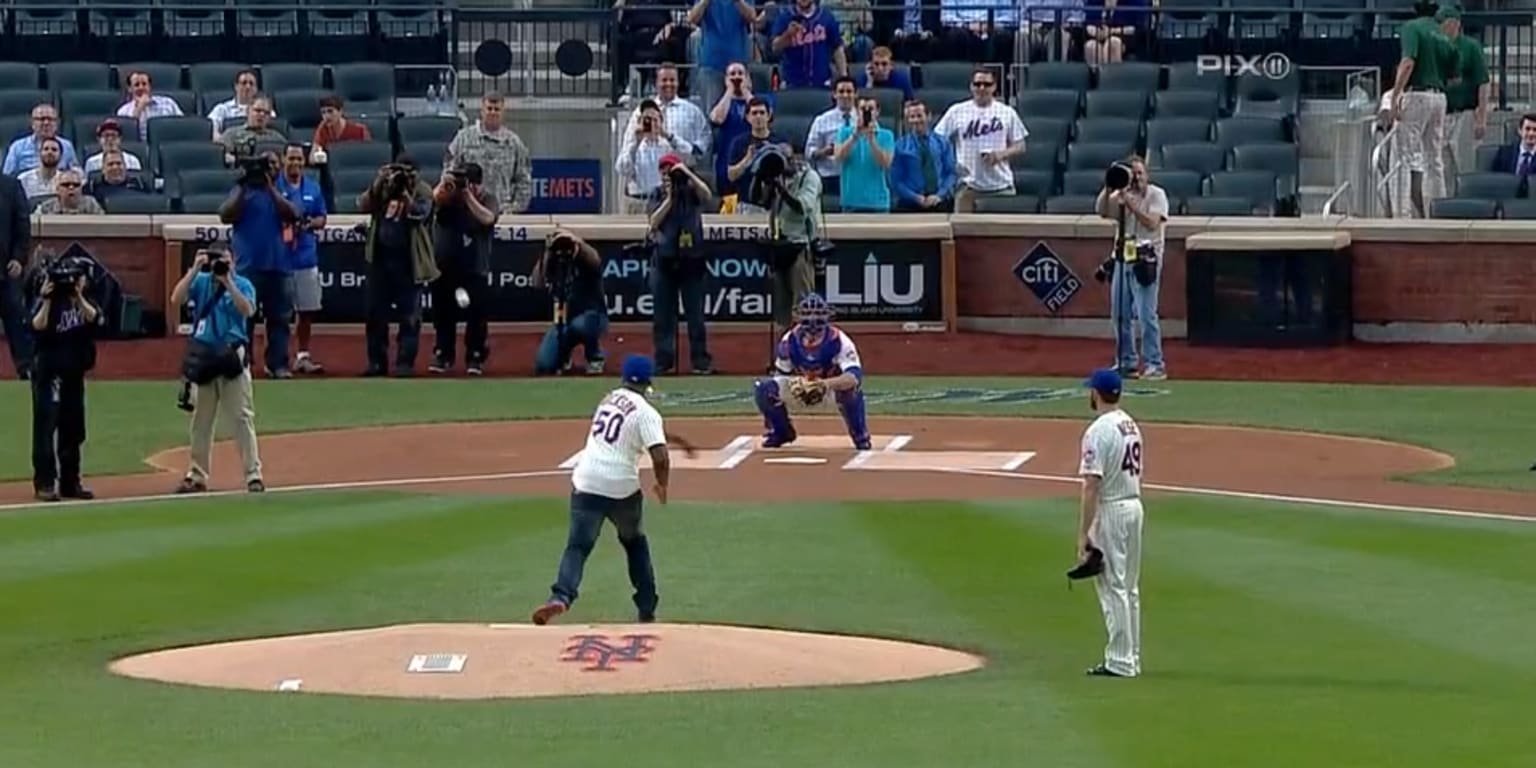
To throw the first pitch at a baseball game, practice a simple overhand throw, aim for the catcher’s mitt, and focus on a smooth motion.
The crowd roars, the lights shine bright, and all eyes are on you. You’re about to step onto the mound. You’ve been chosen for the honor, and perhaps the mild terror, of throwing the first pitch at a baseball game. Don’t panic; it’s an achievable feat with a little guidance.
This guide will provide a simple overview on how to throw the first pitch at a baseball game, helping you avoid the dreaded bounce. With some focused preparation, you can enjoy this special moment.

How to Throw the First Pitch at a Baseball Game
So, you’ve been chosen to throw the first pitch at a baseball game – that’s super exciting! It’s a moment many dream of, and while it might seem a little scary, it’s also a chance to have some fun and create a lasting memory. This guide will walk you through everything you need to know, from basic throwing techniques to dealing with pre-pitch jitters. Let’s get started on making sure your first pitch is a winner!
Understanding the Basics of Throwing a Baseball
Before we get into the specifics of throwing a ceremonial first pitch, it’s important to understand the fundamentals of throwing a baseball. These basic principles will help you achieve a more accurate and comfortable throw, even if you’re not a seasoned baseball player. Let’s think of these as building blocks for success.
The Grip
First, you need to know how to hold the ball. Don’t worry, it’s not complicated. For a simple overhand throw, you’ll want a four-seam grip. Here’s how you do it:
- Place your index and middle fingers across the seams of the baseball, where the seams form a “C” shape.
- Your thumb should be directly underneath the ball, resting on the bottom seam, providing support and a secure hold.
- Hold the ball with a light grip, not too tight. Imagine holding an egg – you don’t want to crack it!
A good grip helps with control and allows for a smooth release when you throw.
The Stance
Next, let’s talk about your stance. This is how you position your body before you start to throw. A good stance gives you balance and power.
- Stand with your feet shoulder-width apart. Imagine a line running through your body.
- Point your non-throwing shoulder towards your target (the catcher).
- Keep your knees slightly bent, this helps with balance.
- Hold the ball in front of you, ready to begin your throw.
Remember, balance is key. Try to stand comfortably and feel grounded.
The Windup
Now it’s time for the windup. This is how you get momentum to throw the ball.
- Start with the ball held in front of your body.
- Bring your throwing arm back, like you’re drawing a bow.
- At the same time, shift your weight to your back foot.
- Keep your eyes focused on your target and get ready to move your arm forward.
The windup is about building energy for the throw, don’t worry about making it flashy, just keep it smooth and controlled.
The Throw
Here’s the most important part: throwing the ball! This is where all your practice comes together.
- As you bring your arm forward, step towards your target with your front foot.
- Your arm should come forward in an overhand motion, like you’re reaching for something above you.
- Release the ball as your arm is straight, using your fingers to guide the ball forward.
- Follow through with your arm, letting it swing down naturally toward the opposite knee. This helps you continue the momentum of the throw.
Remember to keep your eye on the target. It helps a lot!
The Follow-Through
Many people underestimate the follow-through, but it is essential for a good throw. Following-through, helps in controlling your throw as well as maintaining the balance after the throw. Make sure to follow-through properly for the most accurate and balanced throw. It provides more power and the momentum to the throw.
- After releasing the ball, don’t stop your arm suddenly. Instead, let it continue down and across your body.
- Your weight should transfer from your back foot to your front foot.
- This follow-through ensures that the throw is smooth and controlled, it also decreases the stress on your arm.
Practicing Before the Big Day
Now that you know the basic mechanics, it’s time to practice! Practice makes perfect, as they say. The more you practice, the more comfortable you’ll feel on the mound.
Find a Safe Practice Space
First things first, find a safe place to practice. This could be a backyard, a park, or even an open field. You’ll need some space to move around without hitting anything or anyone. Make sure there’s enough room to throw without any accidents.
Start Slow
Don’t try to throw too hard right away. Start with gentle throws and focus on your form. Throwing technique is more important than power, and as you improve your technique, your throw will automatically become more powerful.
Practice Regularly
Try to practice a little bit every day or a few times a week, rather than just one big session. Consistency will help you to remember your form and improve quicker. Short, regular practices are more effective than long, infrequent ones. If possible, try to practice for 15 – 20 minutes per day.
Get Feedback
If you can, ask someone to watch you throw and give you some pointers. They might notice something you are doing that you could fix. An extra pair of eyes can be super helpful. A friend or even someone who knows baseball can give valuable feedback, even a little advice can be of great help. Try to get advice from multiple people.
Adjusting Your Technique for the First Pitch
Throwing the first pitch isn’t the same as playing in a game. You probably won’t be throwing as hard or using the same sort of technique. Here’s what you need to focus on for the big day.
Prioritizing Accuracy Over Power
Your main goal isn’t to throw the ball with speed, it’s to throw it accurately and over the plate. So, focus more on accuracy than throwing the ball hard. A well-aimed, easy pitch is much more impressive than a wild fastball. Try to keep the distance short for the first pitch.
The “Ceremonial” Throw
Remember, you’re throwing a ceremonial first pitch. It’s about enjoying the moment, not proving you can throw a major league fastball. Most people throw a shorter distance compared to an actual match. So, don’t feel the need to throw a perfect strike from the distance of an actual match. It is more about fun than competition.
Don’t Be Afraid to Take It Easy
It’s okay to take it easy with your pitch. You don’t have to show off. A gentle throw with a nice arc that reaches the catcher is perfectly acceptable. Nobody expects you to have the pitching skills of a pro. Keep in mind that you are there to have fun and enjoy your moment.
Practice from a Shorter Distance
When you practice, focus on throws from the distance you’ll be on the field for the real thing. Usually, the distance is less than the actual pitching distance. Practicing at the same distance helps in building muscle memory, thus, resulting in accuracy on the final day. Usually, the distance from the mound to the catcher for a first pitch is around 40 – 45 feet.
What to Expect on the Day of the Game
Okay, the big day is here! You’ve practiced, and you’re ready to go. It’s important to know what to expect when you get to the stadium.
Arrival and Check-In
When you get to the stadium, there will be someone there to guide you through check-in. They’ll probably tell you where to go and what time you need to be on the field. Follow their instructions and try to stay calm.
Meeting the Catcher
Before you step onto the field, you will likely meet the catcher. Sometimes it might be a baseball player, and sometimes it’s just someone who will catch the ball. Don’t worry about them, they are there to make sure you have a smooth and memorable experience. They are usually very supportive and make sure that everything goes well.
Walk Out to the Mound
When it’s your turn, you’ll walk out to the pitcher’s mound. Take a deep breath, and walk slowly. Try to enjoy this moment. Take a moment to look around, wave to the crowd, and soak in the experience. It’s okay to be a little nervous. Just remember to have fun.
Pre-Throw Jitters
It’s totally normal to feel some jitters before throwing the pitch. Here are a few tricks that you can use for keeping the nervousness at bay.
- Take a few deep breaths. Deep breaths help calm your nerves.
- Visualize yourself throwing a perfect pitch.
- Focus on the catcher’s mitt. It helps in keeping the mind focused.
- Smile and enjoy the moment! It’s not the end of the world if your pitch isn’t perfect.
Throw the First Pitch
Now, it’s time for the main event! Remember all of your practice and take your time. When you’re ready, throw the ball to the catcher. Once the pitch is done, give a wave and leave the field. You did it!
Key Points to Remember
There are some important points to keep in mind when throwing the first pitch for any game. Those are mentioned below:
- Relax and have fun.
- Focus on accuracy, not speed.
- Practice your grip, stance, and windup.
- Follow through with your arm movement.
- Take deep breaths to calm your nerves.
- Smile and enjoy the experience.
What to wear for throwing the first pitch
Deciding what to wear for the first pitch is an important aspect of the process. Your outfit will not only affect your comfort but it also will be part of the memories for your big moment. Here are some guidelines for the perfect outfit:
Comfort is key
Comfort should be your priority while selecting an outfit for the game day. Select an outfit that feels good and allows you to move around freely. Choose breathable and soft fabrics that won’t restrict movement. Try to wear clothes that you feel comfortable in, as you will be the main attraction of the game.
Appropriate attire
Although you want to be comfortable, you also need to make sure that your outfit is appropriate for the baseball game. Avoid wearing overly formal attire or very casual clothes, such as tank tops, and swimming suits. Try to wear clothes that are suitable for public events.
Support your favorite team
If you support a team, it will be really good to wear the team’s merchandise. Wearing your favorite team’s merchandise, such as the team jersey or cap will create a fun atmosphere and show your love for the team.
Footwear
Footwear is another important aspect of choosing an outfit for the game. Select footwear that is comfortable and sturdy. Avoid wearing shoes like high heels or sandals that can make it hard for you to walk comfortably, or make you slip while throwing the ball. Wear comfortable shoes like sneakers or flats that will allow you to move and walk easily.
Weather considerations
Do check the weather forecast before you decide on the outfit for the game. Make sure to dress appropriately according to the weather. If the weather is cold, wear an outer jacket. If it is a sunny day, wear light breathable clothes. Check if you will require sunglasses, or caps.
Extra tips for outfit
- Keep your outfit simple and comfortable.
- Avoid wearing loose-fitting clothes that can hinder your movement.
- Opt for outfits that are not too revealing or distracting
- Wear your favorite team’s color or merchandise.
- Always be prepared according to the weather.
Dealing with unexpected situations
Sometimes, even with the best preparation, unexpected situations can arise when throwing the first pitch. Here are some of the common unexpected situations and how to handle them:
The Ball Goes Wild
Sometimes the ball goes in unexpected direction even when you have taken care of all things. But do not let it bother you. It happens sometimes, and it is okay. Acknowledge it with a smile and move on. No one will care, as long as you are enjoying your moment.
Slippery Mound
Sometimes the pitcher’s mound can be slippery. If that’s the case, take extra caution while walking and throwing. Make sure you are wearing good footwear to keep yourself from slipping. Don’t take risks and ask for help if you are feeling uncomfortable.
Forgot the basic techniques
Even after practicing, sometimes you might forget about your throwing techniques. If that’s the case, slow down and go back to basics. Focus on your grip, stance, and throw slowly. Most importantly, remember to have fun and not focus on being perfect.
Crowd Noise
Sometimes the crowd noise might make you nervous. In this case, block out the crowd noise and focus on your target. Take a deep breath, and try to get into your zone. Focus on yourself, and take the spotlight, and the people watching as encouragement.
Equipment Failure
In the rare case there’s equipment failure like a missing ball or a broken glove, do not worry. The stadium will have people who can quickly provide you with replacements. Don’t be stressed about it. Just be calm and focus on the next step.
By preparing for these situations, you’ll be ready to handle anything that comes your way. Being adaptable and staying calm are important.
Throwing the first pitch at a baseball game is a fantastic experience. It’s a chance to be part of something special and create a memory you’ll cherish. By following these tips and practicing a little, you’ll be well prepared to step onto the mound and enjoy your moment in the spotlight. Remember to relax, have fun, and throw a great pitch!
THROWING THE FIRST PITCH ⚾️
Final Thoughts
To throw the first pitch at a baseball game, practice your grip and stance. A comfortable overhand throw is must for accuracy. Remember to aim for the catcher’s mitt and follow through.
Don’t overthink it. The key is to have fun and enjoy this unique experience. Remember proper preparation is vital before attempting how to throw the first pitch at a baseball game.

