To use the alley-oop pass effectively in NBA 2K26, strategically time your pass to a cutting teammate with good athleticism, holding the designated button (usually Triangle/Y) while aiming towards them, and ensure they have a clear path to the basket.
Want to add some serious flair to your NBA 2K26 game? Everyone loves the excitement of a perfectly executed alley-oop. But how do you move beyond just throwing it up and hoping for the best?
This guide will show you how to use the alley-oop pass effectively in NBA 2K26, turning those highlight-reel dreams into consistent points. We will provide you the tips and tricks to make your opponents fear the high-flying threat.
Let’s dive into the specifics of timing, player selection, and situational awareness to improve your alley-oop game.

How to Use the Alley-Oop Pass Effectively in NBA 2K26
The alley-oop is one of the most exciting plays in basketball. Mastering it in NBA 2K26 can electrify your offense and demoralize your opponents.
It’s a high-risk, high-reward play that requires timing, skill, and a bit of daring. Let’s dive into how you can consistently throw and catch alley-oops in NBA 2K26.
Understanding the Basics of Alley-Oops
Before attempting advanced techniques, understand the fundamentals. Correct button inputs and player positioning are paramount.
Different controller schemes slightly alter the input method, so familiarizing yourself with your settings is crucial. Practice makes perfect, so start in the training mode.
Controller Inputs for Alley-Oops
The primary method involves a combination of buttons. These may differ slightly based on your chosen controller setup.
Typically, the alley-oop input involves pressing Triangle/Y twice (on PlayStation/Xbox respectively). The specific button mapping can be customized in the controller settings.
Essential Player Attributes for Alley-Oops
Certain player attributes directly impact alley-oop success. Pay attention to players’ Passing Accuracy, Lob Pass Tendency, Vertical, and Dunking Ability.
Higher ratings in these categories will significantly improve your team’s alley-oop proficiency. Players with high Acrobat and Contact Finisher badges also tend to be better at catching difficult alley-oops.
Executing the Perfect Alley-Oop Pass
Timing and location are everything. A poorly timed or aimed alley-oop will result in a turnover.
Proper execution involves understanding your players’ tendencies and exploiting defensive weaknesses. Let’s discuss these essential elements.
Timing Your Pass
Timing is crucial for a successful alley-oop. Throw the pass as your receiver begins their cut towards the basket.
Anticipate their jump and lead them towards the rim. A well-timed pass allows the receiver to catch the ball at its highest point.
Leading Your Receiver
Don’t throw the pass directly at your receiver. Lead them towards the basket to create separation.
This gives them a clear path to the rim and reduces the chance of a steal. Think about where they’ll be, not where they are.
Reading the Defense
Before attempting an alley-oop, assess the defensive coverage. Is there a defender lurking in the passing lane?
Is the receiver double-teamed? If the defense is too tight, consider a different play. Sometimes a simple pass is the best option.
Strategies for Setting Up Alley-Oops
Alley-oops are most effective when they catch the defense off guard. Setting them up requires strategic player movement and play calling.
Utilize pick-and-rolls, backdoor cuts, and fast breaks to create opportunities. Consider these tactics to maximize your success.
Utilizing Pick-and-Rolls
The pick-and-roll is a classic setup for alley-oops. As the screener rolls to the basket, the defense often collapses.
This leaves the receiver open for an alley-oop opportunity. Look for mismatches and exploit defensive rotations.
Backdoor Cuts
A well-timed backdoor cut can create a wide-open lane to the basket. When a defender overplays the passing lane, signal for a backdoor cut.
Then, throw the alley-oop pass as the receiver approaches the rim. Backdoor cuts are particularly effective against aggressive defenders.
Fast Break Opportunities
Fast breaks are prime opportunities for alley-oops. With the defense scrambling to get back, there’s often a clear path to the basket.
If you have a fast and athletic player running towards the rim, don’t hesitate to throw the alley-oop. Remember, fast breaks require quick decision-making.
Advanced Alley-Oop Techniques
Once you’ve mastered the basics, you can explore more advanced techniques. These will help you catch even the most skilled opponents off guard.
These techniques require precise timing and an understanding of your players’ abilities. Here are a few advanced strategies to try.
Self Alley-Oops
Self alley-oops are incredibly flashy and difficult to pull off. They involve throwing the ball off the backboard and then catching it for a dunk.
This technique requires high Acrobat and Dunking attributes. Practice this in a controlled environment before attempting it in a game.
Alley-Oops from the Post
Passing out of the post for an alley-oop can be highly effective. When the defense collapses on the post player, look for cutters heading towards the basket.
A quick pass to the cutter for an alley-oop can lead to an easy score. Post players with high passing accuracy are ideal for this strategy.
Using Icon Passing
Icon passing allows you to target a specific player with your alley-oop. This is particularly useful in chaotic situations.
Assign each player a button and use icon passing to ensure the pass goes to the intended receiver. This gives you more control over your offensive execution.
Fine-Tuning Your Alley-Oop Game
Beyond the techniques, some essential fine-tuning is needed. This will make you more consistent in executing alley-oops.
Here are some important things to consider for improving your game. These are often overlooked, but they’re quite crucial.
Adjusting Camera Settings
Your camera angle significantly impacts your ability to see passing lanes. Experiment with different camera angles to find one that suits your play style.
A wider view of the court can help you anticipate defensive movements. Adjusting the height and zoom of the camera can also improve your visibility.
Mastering Player Badges
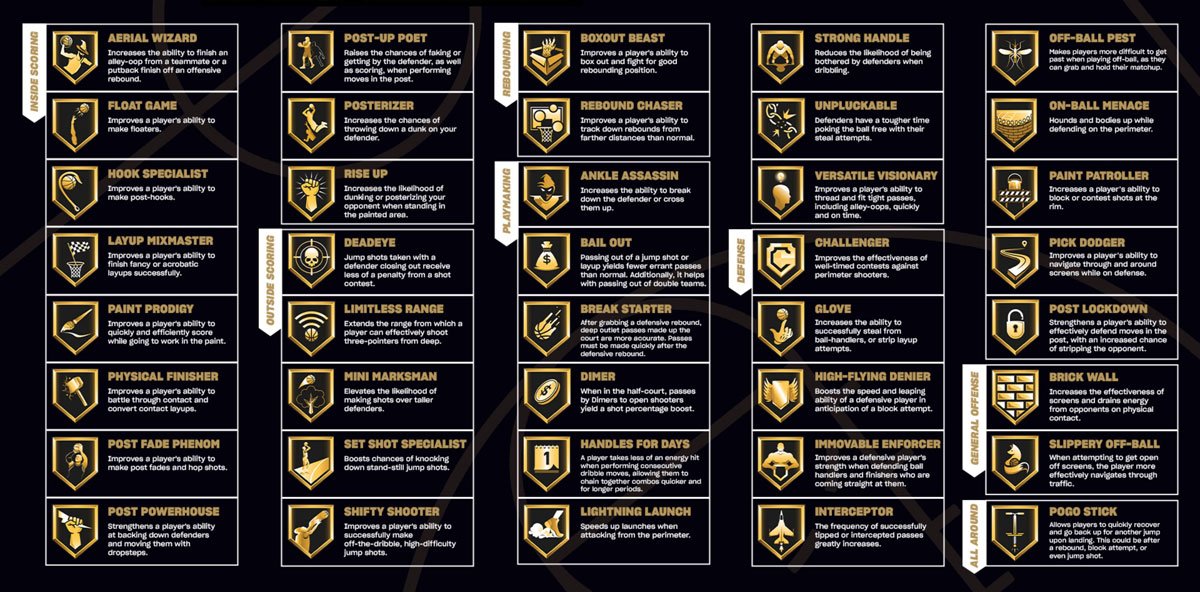
Player badges play a crucial role in alley-oop success. Badges like Lob City Passer, Lob City Finisher, and Acrobat can significantly improve your players’ abilities.
Invest time in earning and upgrading these badges. They can give your team a competitive edge.
Analyzing Player Tendencies
Each player in NBA 2K26 has unique tendencies. Some players are more likely to cut to the basket, while others prefer to stay on the perimeter.
Pay attention to these tendencies and adjust your play style accordingly. Knowing your players’ strengths and weaknesses is essential for success.
Common Mistakes to Avoid
Even experienced players make mistakes when attempting alley-oops. Avoiding these common pitfalls can improve your success rate.
Here are some mistakes you should strive to eliminate from your game. These little tweaks will eventually add up.
Forcing the Pass
Don’t force an alley-oop when it’s not there. If the defense is too tight, consider a safer pass.
Turnovers can quickly kill momentum. Be patient and wait for the right opportunity.
Ignoring Player Positioning
Pay attention to where your players are on the court. Don’t throw an alley-oop to a player who is out of position.
Ensure that the receiver has a clear path to the basket. Good spacing is essential for a successful alley-oop.
Ignoring Defensive Matchups
Defensive matchups matter. Don’t attempt an alley-oop against a taller, more athletic defender.
Target smaller defenders who are less likely to contest the pass or the dunk. Exploit mismatches whenever possible.
How Different Editions of NBA 2K26 Affect Alley-Oops
Different editions of NBA 2K games sometimes introduce subtle variations in gameplay. Knowing what to expect can help you adjust your strategy.
It is necessary to consider the edition you will be playing.
Standard Edition
Base Game: Includes the core gameplay experience with no additional boosts or content related to alley-oops.
Fundamental Gameplay: The alley-oop mechanics function as described earlier, relying on player attributes, timing, and positioning.
No Special Features: This edition doesn’t offer exclusive features that specifically enhance alley-oop execution or player abilities.
Michael Jordan Edition
Boosted Player Attributes (Potentially): May include a slight boost to the attributes of Michael Jordan or other historic players, potentially impacting their alley-oop capabilities.
Exclusive Challenges: Could feature challenges centered around performing alley-oops with Jordan or other legendary players.
Cosmetic Items: While cosmetic items don’t directly affect gameplay, they might add to the overall experience.
Championship Edition
In-Game Currency: Includes a significant amount of Virtual Currency (VC) that can be used to upgrade player attributes and badges related to alley-oops.
Badge Points: Offers additional Badge Points, allowing players to quickly improve crucial alley-oop-related badges like Lob City Passer and Lob City Finisher.
MyTEAM Packs: May contain packs with players who excel at throwing or catching alley-oops, enhancing your team’s overall performance.
Troubleshooting Alley-Oop Issues
Sometimes, even with the best intentions, alley-oops don’t go as planned. Let’s look at some common issues and solutions.
Knowing how to fix these issues quickly will save you frustration. These tricks are often overlooked, but they work.
Poor Passing Accuracy
If your passes are consistently off-target, it could be due to low Passing Accuracy. Focus on upgrading this attribute.
Equipping badges like Dimer can also improve passing accuracy. Remember, a skilled passer is essential for successful alley-oops.
Teammate Not Cutting
If your teammate isn’t cutting to the basket, try manually calling for a cut. Use the D-pad to direct their movement.
Ensure that their offensive tendency is set to prioritize cutting. Some players simply don’t cut as often as others.
Defenders Intercepting Passes
If defenders are consistently intercepting your passes, try throwing the alley-oop from a different angle.
Also, consider using a pump fake to draw the defender out of position. A well-timed pump fake can create an opening.
Practicing Alley-Oops in Drills
The best way to improve your alley-oop game is through practice. Here are some drills you can use to hone your skills.
These drills will help you build muscle memory and develop better timing. Practice regularly to see significant improvement.
Free Throw Line Alley-Oop Drill
Start at the free throw line and have a teammate cut towards the basket. Practice throwing the alley-oop pass as they approach the rim.
Focus on timing and accuracy. Gradually increase the difficulty by adding defensive pressure.
Corner Alley-Oop Drill
Position yourself in the corner and have a teammate cut from the wing towards the basket. Practice throwing the alley-oop pass from this angle.
This drill will help you master alley-oops from different areas of the court. Pay attention to your teammate’s spacing and timing.
Fast Break Alley-Oop Drill
Simulate a fast break situation with two players running towards the basket. Practice throwing the alley-oop pass to the trailing player.
This drill will help you improve your decision-making in transition. Focus on leading your receiver and reading the defense.
NBA 2K25 How to Self Alley Oop Dunk: Controls Guide 2K25 #nba2k25 #2k25
Final Thoughts
To use the alley-oop pass effectively in NBA 2K26, timing and player positioning are must. Make sure your receiver is cutting towards the basket with a clear path.
Anticipate the defender’s movements and throw the oop before they can intercept. Practice different angles and distances to improve your accuracy.
Also, learn your players’ tendencies; some excel at catching oops more than others. Finally, use the right stick or dedicated button combinations for the pass. Knowing how to use the alley-oop pass effectively in NBA 2K26 will certainly boost your game.