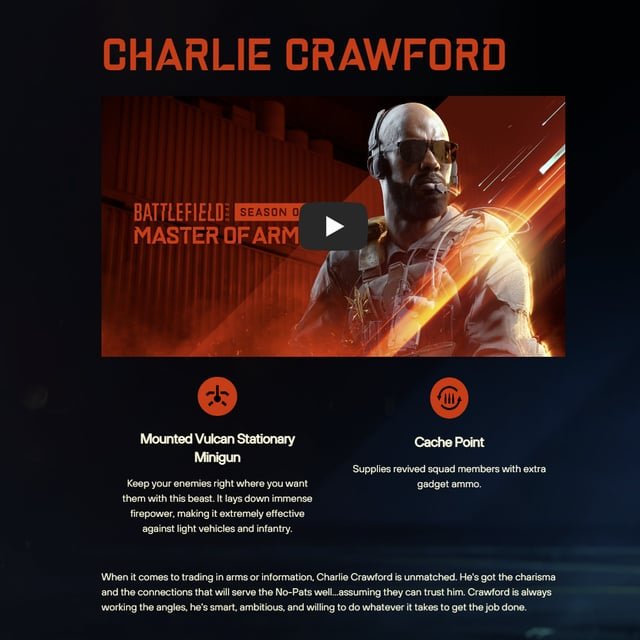
Here’s how to use the Crawford mounted Vulcan minigun effectively in Battlefield 6: prioritize suppressing enemy positions, aim for sustained fire on vehicles, and coordinate with teammates for ammunition support and flank protection. Remember to manage the overheating mechanic carefully.
Crawford’s minigun: a game-changer, or just a bullet hose? Many players struggle to get the most out of this devastating weapon. Understanding its strengths and weaknesses is the key to dominating the battlefield.
This guide will show you exactly how to use the Crawford mounted vulcan minigun effectively in Battlefield 6. We’ll cover tactics, positioning, and teamwork to maximize your impact on every match.

How to Use the Crawford Mounted Vulcan Minigun Effectively in Battlefield 6
The Crawford mounted Vulcan minigun is a devastating weapon in Battlefield 6, capable of suppressing entire squads and tearing through light vehicles. Mastering its use requires understanding its strengths, weaknesses, and effective deployment strategies. This guide will walk you through the essentials of maximizing your effectiveness with this potent tool.
Understanding the Crawford Minigun
Before you start mowing down enemies, you need to understand what makes the Crawford minigun tick. It’s not just point and shoot.
High Rate of Fire: The minigun boasts an extremely high rate of fire, allowing you to saturate an area with bullets quickly. This is its primary advantage in close to medium-range engagements.
Spin-Up Time: A crucial aspect is the spin-up time before the gun reaches its full firing rate. You need to anticipate engagements and pre-spin to maximize damage output.
Overheating: Sustained fire will cause the minigun to overheat, rendering it unusable for a short period. Manage your bursts and use short, controlled bursts to avoid this.
Limited Mobility: While mounted, your mobility is severely restricted. You’re vulnerable to flanking maneuvers and long-range attacks.
Ammunition Capacity: The minigun has a large ammo capacity, allowing for extended engagements. However, you’re still vulnerable when reloading so consider this when engaging groups of enemies.
Optimal Placement and Positioning
Where you place the minigun can make or break its effectiveness. Smart positioning is key to controlling the battlefield.
Chokepoints: Position the minigun to cover narrow chokepoints, such as doorways, hallways, or narrow streets. This forces enemies to funnel into your line of fire.
Overwatch Positions: Elevated positions overlooking objectives or high-traffic areas provide excellent overwatch. You can provide suppressive fire and deny enemy advances.
Flanking Protection: Ensure your flanks are protected by teammates or natural cover. The minigun’s limited mobility makes you an easy target for flanking attacks.
Near Ammo Supply: Placing yourself near an ammo crate or a support player who can replenish your ammo is crucial for sustained engagements. This prevents you from running dry at the most critical moments.
Utilize Cover: Use walls, barriers, or other forms of cover to shield yourself from incoming fire while using the minigun. Minimizing your exposure is crucial for survivability.
Effective Engagement Strategies
Knowing when and how to engage is just as important as knowing where to position yourself. Smart engagement tactics will greatly improve your kill/death ratio.
Pre-Spinning: Always pre-spin the minigun before engaging enemies. This eliminates the delay and allows you to immediately unleash a hail of bullets.
Short Bursts: Use short, controlled bursts to manage heat and conserve ammunition. Avoid sustained fire unless necessary.
Suppressive Fire: Use the minigun to lay down suppressive fire, forcing enemies to take cover and disrupting their movements. This can be invaluable for supporting your teammates’ pushes.
Vehicle Suppression: While not ideal, the minigun can be effective against light vehicles like ATVs or helicopters. Focus your fire on the pilot or engine to disable them.
Teamwork is Key: Communicate with your team and coordinate your attacks. A coordinated assault with supporting fire from the minigun can be devastating.
Prioritize Targets: Focus on high-value targets, such as snipers, medics, or enemies attempting to capture objectives. Eliminating these threats can significantly impact the flow of battle.
Countering Common Threats
You’re not invulnerable behind a minigun. Knowing how to deal with threats is critical.
Snipers: Snipers are a major threat to stationary minigun users. Use cover and concealment to minimize your exposure, and rely on teammates to eliminate them.
Explosives: Grenades, rockets, and other explosives can quickly eliminate a minigun user. Be aware of your surroundings and reposition if necessary.
Flanking Maneuvers: Enemies may attempt to flank you while you’re focused on engaging targets in front of you. Coordinate with teammates to protect your flanks or use cover to your advantage.
Armor Piercing Rounds: Be wary of enemies using armor-piercing rounds. These rounds can quickly tear through your cover and inflict significant damage.
EMP Grenades/Abilities: Certain gadgets or abilities can temporarily disable the minigun. Be prepared to switch to a secondary weapon if this happens.
Minigun Customization (Hypothetical Battlefield 6)
While Battlefield 6 specifics are unknown, these are possible customization options to consider that would make a big difference.
Barrel Attachments:
Extended Barrel: Increases range and accuracy.
Cooling Barrel: Reduces overheating.
Lightweight Barrel: Improves spin-up time (at the cost of some accuracy).
Ammunition Types:
Armor-Piercing Rounds: Increased damage to vehicles.
Incendiary Rounds: Sets enemies on fire.
High-Capacity Magazine: Extends firing time before reload.
Optics:
Red Dot Sight: Improved close-quarters visibility.
Holographic Sight: Similar to red dot, but with a different reticle.
Medium Range Scope: Increased accuracy at medium distances.
Underbarrel Attachments (if applicable):
Bipod: Further reduces recoil while deployed.
Shield: Provides additional frontal protection.
Team Compositions and Synergies
The minigun works best with specific team compositions.
Support Class: Support players can provide ammo and healing, keeping you in the fight longer.
Recon Class: Recon players can spot enemies and provide valuable intel, allowing you to anticipate threats.
Assault Class: Assault players can breach fortified positions and clear rooms, creating opportunities for you to unleash the minigun.
Engineer Class: Engineers can repair vehicles and provide cover, protecting you from enemy fire.
Coordinate attacks: Effective minigun usage goes hand-in-hand with coordinated team attacks. Communicate with your team to maximize the impact of your suppressive fire.
Designated spotters: Designate teammates to act as spotters, alerting you to flanking enemies or potential threats.
Minigun Maintenance (Hypothetical In-Game Mechanic)
Imagine an added layer of realism with minigun maintenance.
Cleaning: Regular cleaning prevents malfunctions and maintains accuracy. Neglecting this could lead to increased recoil or decreased firing rate.
Repair: Sustained damage can degrade the minigun’s performance. Repairing it restores its original stats.
Cooling System: Maintaining the cooling system prevents overheating. Neglecting this could lead to faster overheating and longer cooldown times.
Ammo Feed System: Ensuring the ammo feed system is properly maintained prevents jams. Jams would cause temporary stoppages in firing.
Customization impact: Different attachments could affect the rate of degradation, forcing you to choose between performance and maintenance requirements.
Crawford Minigun: Pros and Cons
A quick summary of its key strengths and weaknesses.
Pros:
High Damage Output: Devastating firepower at close to medium range.
Excellent Suppression: Forces enemies to take cover.
Large Ammo Capacity: Sustained fire capability.
Cons:
Limited Mobility: Vulnerable to flanking.
Spin-Up Time: Requires pre-planning.
Overheating: Needs careful management.
Vulnerable to Snipers and Explosives: Requires careful positioning.
Advanced Tactics for the Crawford Minigun
Once you master the basics, take it to the next level.
Predictive Firing: Learn to anticipate enemy movements and adjust your aim accordingly. This is crucial for hitting moving targets.
Area Denial: Use the minigun to deny enemies access to key areas, such as objective points or supply routes. This forces them to take alternative routes, giving your team an advantage.
Strafing and Firing (Limited): While mobility is limited, small strafing movements can make you a harder target to hit.
Combined Arms: Coordinate with vehicle crews to provide fire support for their advances. The minigun can be used to suppress enemy infantry while vehicles push forward.
Listen to Audio Cues: Pay attention to audio cues, such as footsteps or explosions, to anticipate enemy movements and react accordingly.
Map Awareness: Maintain constant awareness of the map to identify potential threats and opportunities. Knowledge of the map is crucial for effective positioning.
Adaptability and Situational Awareness
The key to success with the Crawford minigun lies in adapting to the ever-changing battlefield and maintaining a high level of situational awareness. What works in one scenario may not work in another.
Dynamic Positioning: Don’t be afraid to reposition yourself if your current location becomes compromised. Adapt your position to suit the evolving battlefield.
Adjust Tactics: Change your engagement tactics based on the type of enemies you’re facing. Use short bursts against snipers, and sustained fire against groups of infantry.
Exploit Weaknesses: Identify and exploit enemy weaknesses. Target enemies who are out of cover, distracted, or attempting to reload.
Utilize Environment: Use the environment to your advantage. Position yourself behind cover, use elevated positions for overwatch, and utilize chokepoints to funnel enemies into your line of fire.
Recognize Threats: Identify and prioritize potential threats. Focus on eliminating snipers, explosive specialists, and flanking enemies.
Team Communication: Communicate effectively with your team. Share information about enemy positions, request support when needed, and coordinate your attacks.
Crawford Minigun: The Future of Battlefield Warfare (Speculative)
If Battlefield 6 evolves weapon mechanics, here’s what could be.
Modular Upgrades: Further customization options, allowing players to fine-tune the minigun to their specific playstyle.
Smart AI Integration: Integration with AI systems that automatically track targets and provide aiming assistance. This would require careful balancing to prevent it from becoming overpowered.
Dynamic Environment Interaction: The ability to destroy cover and create new lines of sight.
Combined Arms Synergy: Enhanced synergy with vehicles and other classes, allowing for more coordinated and effective assaults.
Realistic Physics: More realistic physics, impacting the minigun’s recoil and bullet trajectory.
Strategic Depth: Deeper strategic elements, such as resource management and supply lines, affecting the minigun’s availability and effectiveness.
Vulcan Mini Gun in Battlefield 2042 | Did You Know? | Tips and Tricks
Final Thoughts
To use the Crawford mounted vulcan minigun effectively in Battlefield 6, position yourself strategically. Find locations with clear lines of sight and ample cover for defense.
Aim accurately and control the weapon’s recoil. Short bursts are must for suppressing enemies at longer ranges, while sustained fire works best in close quarters.
Coordinate with your team for support and spotting. This helps you identify targets and avoid getting flanked while using the minigun. You are using the Crawford mounted vulcan minigun effectively in Battlefield 6.