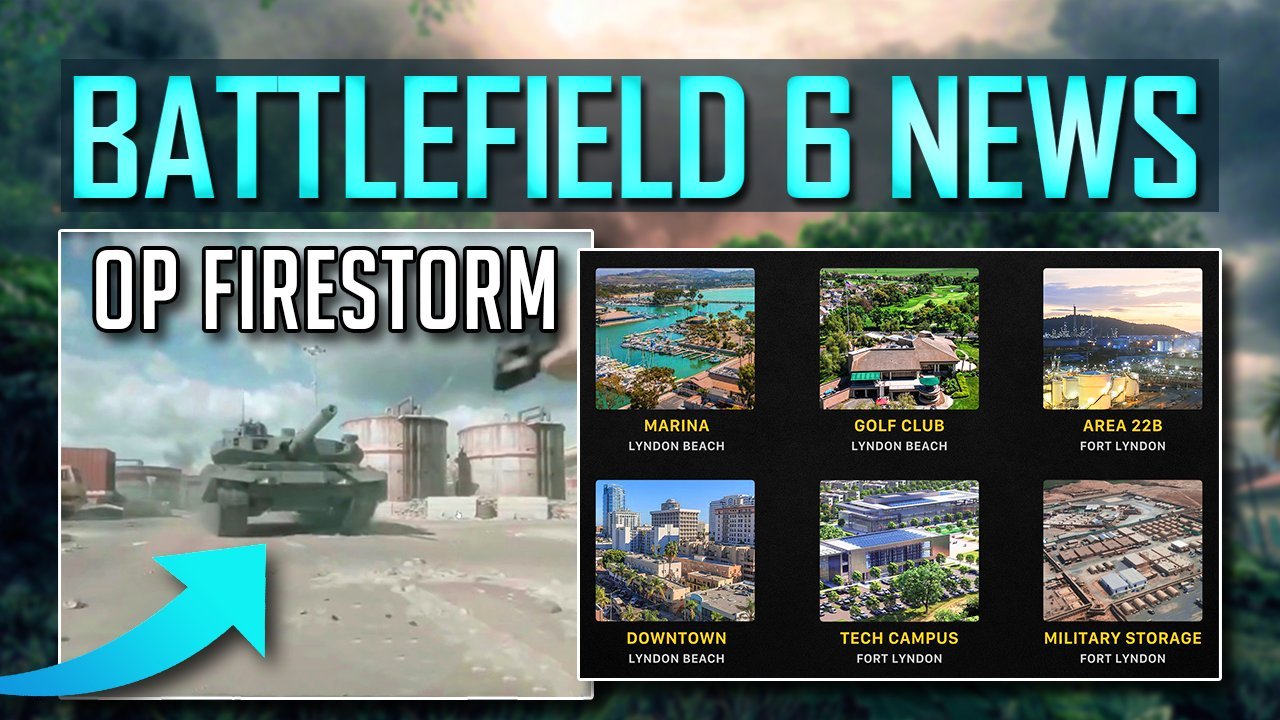
Effectively use the environment for cover in Battlefield 6 Firestorm by prioritizing hard cover like buildings and rocks, utilizing smoke grenades for concealment, and constantly repositioning between cover to avoid being flanked.
Want to survive the intense firefights of Battlefield 6 Firestorm? Knowing how to use the environment for cover is crucial. This guide breaks down exactly how to maximize your survivability by utilizing the world around you.
Understanding the terrain is your first step. We’ll delve into how to identify advantageous positions, manage sightlines, and leverage natural elements to outwit your opponents and secure that coveted victory royale.

How to Use the Environment for Cover in Battlefield 6 Firestorm
Knowing how to utilize the environment for cover is crucial for survival and victory in Battlefield 6 Firestorm. The expansive map offers diverse terrain and destructible elements.
Mastering cover usage gives you a significant tactical advantage. This guide will help you dominate the competition.
Understanding the Firestorm Map and Cover Opportunities
Firestorm’s map is not just a pretty backdrop. It’s a dynamic battlefield teeming with opportunities to find and create cover.
Familiarizing yourself with the map’s layout is the first step. Knowing where the major landmarks, buildings, and natural formations are located will help you plan your movements.
Natural Cover: The Landscape’s Gift
The landscape itself provides ample cover. Use it wisely to stay alive.
Rocks, trees, and uneven terrain can all be used to shield yourself from enemy fire. Always be aware of your surroundings.
Consider how the terrain affects visibility and movement. Low-lying areas might offer concealment but could also make you vulnerable to flanking maneuvers.
Man-Made Cover: Structures and Vehicles
Buildings, walls, and vehicles offer more substantial protection. However, many structures in Firestorm are destructible.
Use buildings strategically. Position yourself near windows and doorways for quick peeks and engagements.
Abandoned vehicles can be used as temporary shields. Remember that these are also vulnerable to explosions.
Destructible Environments: Creating Your Own Cover
Battlefield’s signature destruction mechanic is a game-changer in Firestorm. You can create your own cover by blowing holes in walls or toppling structures.
Use explosives strategically to create new lines of sight or to dislodge enemies from their positions. Be mindful that destruction works both ways.
Mastering Cover Techniques in Firestorm
Effective cover usage isn’t just about standing behind something. It involves a range of techniques that can improve your survivability and give you an edge in combat.
Peeking and Leaning
Peeking around corners is a fundamental technique. It allows you to gather information and engage enemies without exposing your entire body.
Use the lean mechanic to minimize your exposure while peeking. This makes you a smaller target.
Master the timing of your peeks. Don’t stay exposed for too long.
Moving Between Cover
Staying in one place makes you an easy target. Move between cover points to keep your enemies guessing.
Use tactical sprints to quickly move from one piece of cover to another. Be aware of the risks involved.
Predict enemy movements and plan your routes accordingly. Use smoke grenades to create temporary cover if necessary.
Using Cover to Flank
Cover provides opportunities to flank unsuspecting enemies. Use it to your advantage.
Identify gaps in the enemy’s defenses. Use cover to approach from an unexpected angle.
Coordinate with your squad to execute flanking maneuvers effectively. Communication is key.
Adaptive Positioning
The battlefield is constantly evolving. Your positioning needs to adapt accordingly.
If your cover is compromised, quickly find a new position. Don’t get caught in a vulnerable spot.
Be aware of your surroundings and anticipate enemy movements. Proactive positioning is crucial.
Utilizing Specific Environmental Elements for Cover
Firestorm’s map offers a variety of unique environmental elements that can be used for cover in creative ways.
Forests and Woodlands
Forests provide natural concealment and cover. Dense foliage can obscure your movements.
Use trees as individual cover points. Move between trees to avoid being pinned down.
Be aware that forests can also limit your visibility. Pay attention to your surroundings.
Urban Environments
Buildings and vehicles are plentiful in urban areas. These offer more robust cover options.
Use doorways and windows strategically. Control the angles of engagement.
Be aware of the risk of being ambushed in buildings. Clear rooms carefully.
Open Fields and Plains
Open fields offer little natural cover. However, you can still use the terrain to your advantage.
Use ditches and depressions for concealment. Prone position can help you blend in.
Use smoke grenades to create temporary cover in open areas. Coordinate with your squad.
Water and Shorelines
Water can provide concealment and a means of escape. However, it also limits your movement.
Use reeds and vegetation along shorelines for cover. Approach cautiously.
Be aware that you are vulnerable to attacks from above while in the water. Watch out for helicopters and snipers.
Advanced Cover Strategies for Battlefield 6 Firestorm
Once you’ve mastered the basics of cover, you can start implementing more advanced strategies to gain a competitive edge.
Cover Denial: Making it Harder for Enemies
Cover denial is the act of removing or destroying cover that enemies could use. This puts them at a disadvantage.
Use explosives to destroy walls and structures that provide cover to enemy snipers. Force them to relocate.
Use incendiary grenades to flush enemies out of buildings. This can be an effective way to clear rooms.
Creating Choke Points
Choke points are narrow passages or doorways that funnel enemies into a predictable path. You can use cover to control these areas.
Position yourself behind cover near a choke point. Wait for enemies to approach.
Use grenades and explosives to deny enemies access to the choke point. Control the flow of the battle.
Baiting and Trapping
Use cover to bait enemies into a trap. This requires careful planning and execution.
Expose yourself briefly to attract enemy fire. Retreat behind cover and wait for them to pursue.
Position teammates nearby to ambush the pursuing enemies. Coordinate your actions.
Using Smoke Effectively
Smoke grenades are essential for creating temporary cover and concealing your movements. Use them strategically.
Use smoke to cover your advance towards enemy positions. This can help you close the distance without being shot.
Use smoke to obscure enemy vision and create confusion. This can give you an advantage in close-quarters combat.
Cover and Teamwork
Using cover effectively is even more powerful when combined with teamwork. Coordinate with your squad to maximize your effectiveness.
Communicate with your teammates about enemy positions and cover opportunities. Share information.
Provide cover fire for your teammates while they move between cover points. Support each other.
Use flanking maneuvers to create crossfires and overwhelm the enemy. Work together.
Adapting to Different Combat Scenarios
The best cover strategies will vary depending on the specific combat scenario you’re facing. Adapt your approach to the situation.
Close-Quarters Combat
In close-quarters combat, cover is crucial for survival. Use it to your advantage.
Use doorways and corners to your advantage. Control the angles of engagement.
Use hip-fire and quick peeks to engage enemies. Minimize your exposure.
Long-Range Engagements
In long-range engagements, cover is essential for avoiding sniper fire. Stay out of sight.
Use natural cover, such as rocks and trees, to break line of sight. Move cautiously.
Use smoke grenades to obscure your position and make it harder for snipers to target you.
Vehicle Combat
When fighting against vehicles, cover is even more important. Vehicles can quickly destroy cover.
Use buildings and structures to shield yourself from vehicle fire. Avoid open areas.
Use anti-vehicle weapons to disable or destroy enemy vehicles. Coordinate with your squad.
Defending Objectives
When defending objectives, use cover to create a strong defensive position. Make it difficult for enemies to advance.
Use sandbags and barricades to reinforce cover points. Create chokepoints.
Coordinate with your teammates to cover all approaches to the objective. Be prepared for a sustained assault.
Attacking Objectives
When attacking objectives, use cover to advance safely and suppress enemy fire. Push forward strategically.
Use smoke grenades to cover your advance. Coordinate with your squad to breach the objective.
Use explosives to clear out enemy positions and create new lines of sight. Take control of the objective.
By mastering these cover techniques and adapting to different combat scenarios, you’ll be well-equipped to dominate the battlefield in Battlefield 6 Firestorm. Remember to practice and experiment to find what works best for you.
BATTLEFIELD 6 New Destruction Gameplay #battlefield #battlefield6 #gaming
Final Thoughts
how to use the environment for cover in Battlefield 6 Firestorm. Prioritize natural formations like hills and rock structures. Utilize them to break line of sight and reposition effectively.
Buildings provide excellent cover, but remember they’re destructible. Plan your movements accordingly, anticipating potential breaches.
Vehicle wrecks also make for strategic cover points. You must use them wisely, as they may attract unwanted attention. Effective cover usage gives you a significant advantage.