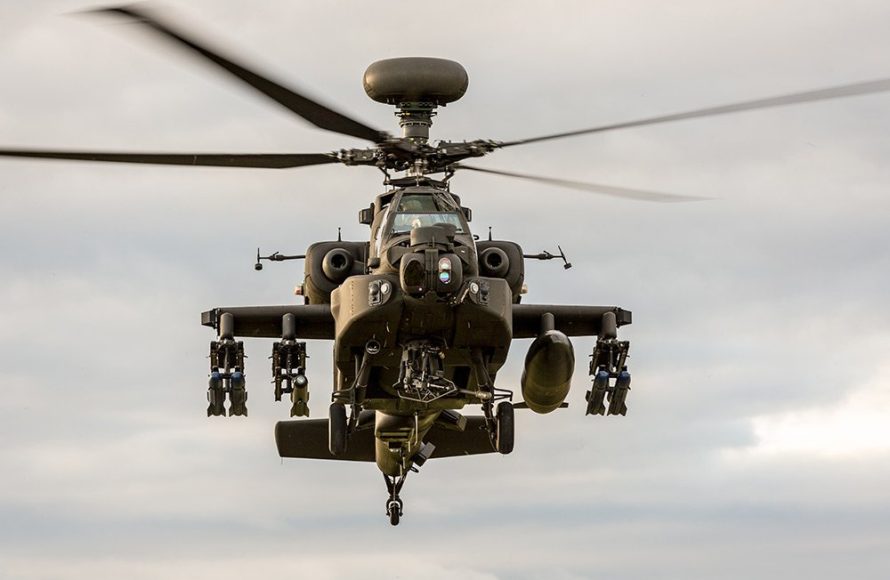
To use the main cannon on the attack helicopter effectively, prioritize short, controlled bursts for accuracy, lead your targets based on their movement, and utilize a stable hover or slow, predictable flight path to improve your aim.
Want to dominate the battlefield from above? It all comes down to knowing how to use the main cannon on the attack helicopter effectively. It’s more than just pointing and shooting.
This article guides you through the essential techniques. We will cover aiming strategies and flight maneuvers.

How to Use the Main Cannon on the Attack Helicopter Effectively
The main cannon on an attack helicopter is a devastating weapon. However, maximizing its effectiveness requires understanding its capabilities and employing proper techniques.
This article details how to get the most out of your helicopter’s main gun. We’ll cover everything from weapon selection to aiming strategies.
Understanding Your Weapon
Before engaging any targets, familiarize yourself with the specific main cannon on your attack helicopter. Different helicopters feature different weapon systems.
Understanding the weapon’s characteristics is crucial. This includes its rate of fire, ammunition type, range, and accuracy.
Knowing these factors will allow you to make informed decisions in combat. It will help you choose the right weapon for each situation.
Types of Main Cannons
Attack helicopters can be equipped with a variety of main cannons. These weapons often vary significantly in their capabilities.
Chain Guns: These weapons typically fire a high volume of rounds quickly. They’re effective against lightly armored vehicles and infantry.
Autocannons: Autocannons usually fire larger rounds at a slower rate. They are better suited for engaging more heavily armored targets.
Rotary Cannons: Rotary cannons are multi-barreled weapons that offer a very high rate of fire. They are incredibly destructive but consume ammunition quickly.
Ammunition Types
The ammunition type you use can significantly impact the cannon’s effectiveness. Different ammunition types are designed for different purposes.
High-Explosive (HE): HE rounds are designed to cause significant damage through explosion and fragmentation. These are effective against infantry and lightly armored targets.
Armor-Piercing (AP): AP rounds are designed to penetrate the armor of vehicles. They are essential for engaging tanks and other heavily armored threats.
High-Explosive Incendiary (HEI): HEI rounds combine explosive and incendiary effects. These can be very effective against soft targets and can ignite fires.
Mastering Aiming Techniques
Accurate aiming is essential for maximizing the effectiveness of your main cannon. Several factors influence your ability to hit your target.
Consider factors like distance, wind, and the movement of both you and the target. Compensate for these factors when aiming.
Lead and Trajectory
When engaging moving targets, you need to lead your shots. This means aiming slightly ahead of the target’s current position.
The amount of lead required depends on the target’s speed and distance. Practice judging these factors to improve your accuracy.
Also, remember to account for the bullet’s trajectory, especially at longer ranges. Gravity will cause the bullet to drop, so you’ll need to aim slightly higher.
Using the Helicopter’s Targeting System
Modern attack helicopters are equipped with sophisticated targeting systems. These systems can greatly enhance your aiming accuracy.
Target Tracking: Many systems can automatically track moving targets. This frees you up to focus on firing.
Ballistic Computer: A ballistic computer calculates the optimal aiming point, taking into account various factors. This can greatly improve your hit probability.
Night Vision and Thermal Imaging: These systems allow you to engage targets effectively in low-light or obscured conditions. They’re invaluable for night operations.
Dealing with Recoil
The recoil of the main cannon can disrupt your aim. Managing recoil is crucial for maintaining accuracy during sustained fire.
Use short bursts to control recoil and maintain accuracy. Avoid firing continuously for extended periods.
Some helicopters have recoil compensation systems. Use these systems if available.
Tactical Considerations
Effective use of the main cannon also involves understanding tactical considerations. Consider the environment, the enemy, and your role in the overall mission.
Choosing the right approach can significantly increase your survivability and effectiveness. Proper planning is key.
Positioning and Maneuvering
Your position relative to the target can greatly affect your ability to engage it effectively. Choose positions that offer good visibility and cover.
Use terrain to your advantage. Approach targets from unexpected angles to surprise the enemy.
Maneuvering constantly can make you a harder target to hit. Avoid staying in one place for too long.
Identifying and Prioritizing Targets
Before engaging, identify and prioritize your targets. Focus on the most dangerous threats first.
Anti-Aircraft Systems: Eliminate anti-aircraft systems first to ensure your safety.
Armored Vehicles: Engage armored vehicles to prevent them from supporting enemy infantry.
Infantry: Deal with infantry threats after neutralizing more significant targets.
Coordination with Other Units
Attack helicopters often operate in conjunction with other units. Communicate with your allies to coordinate your attacks.
Share information about enemy positions and movements. This will allow you to work together more effectively.
Advanced Techniques
Once you’ve mastered the basics, you can start exploring more advanced techniques. These techniques can give you an edge in combat.
Learning advanced techniques will allow you to handle challenging scenarios. Practice is essential for mastering these skills.
Using Cover and Concealment
Even in a helicopter, using cover and concealment is vital for survival. Use terrain features like hills, trees, and buildings to shield yourself from enemy fire.
Fly low to the ground to reduce your visibility. Utilize smoke screens to mask your movements.
Remember that concealment only hides you. Cover protects you from incoming fire.
Engaging Multiple Targets
Learn to quickly switch between multiple targets. This is especially important in situations where you are facing numerous threats.
Use your targeting system to prioritize targets. Practice quickly acquiring and engaging new targets.
Consider using different ammunition types for different targets. This can optimize your effectiveness.
Dealing with Electronic Warfare
Electronic warfare can disrupt your targeting systems and communications. Be prepared to deal with these threats.
Electronic Countermeasures (ECM): Use ECM systems to jam enemy radar and missiles.
Situational Awareness: Maintain situational awareness even when your systems are degraded. Rely on visual observation and communication with other units.
Manual Targeting: Practice using manual targeting methods in case your electronic systems fail.
Operating in Different Environments
Different environments present unique challenges. Be prepared to adapt your tactics to the specific conditions.
Urban Environments: Urban environments offer numerous hiding places for the enemy. Be cautious when flying in urban areas.
Desert Environments: Desert environments can be hot and dusty. This can affect your helicopter’s performance.
Mountainous Environments: Mountainous environments can present challenging terrain. Be careful when flying near mountains.
Maintaining Your Weapon System
Proper maintenance is essential for ensuring the reliability and effectiveness of your main cannon. Regularly inspect and maintain your weapon system.
Follow the manufacturer’s recommendations for maintenance. Report any issues to your maintenance crew.
Regular Inspections
Conduct regular inspections of your main cannon. Look for any signs of wear or damage.
Check the ammunition feed system. Ensure that it is functioning properly.
Inspect the barrel for any obstructions. Remove any debris or residue.
Cleaning and Lubrication
Clean and lubricate your main cannon regularly. This will prevent corrosion and ensure smooth operation.
Use the appropriate cleaning solvents and lubricants. Follow the manufacturer’s instructions.
Pay particular attention to the moving parts of the weapon system. Ensure that they are properly lubricated.
Ammunition Handling
Handle ammunition with care. Store it in a dry and secure location.
Do not use damaged or corroded ammunition. Dispose of it properly.
Load and unload ammunition carefully. Follow the proper procedures.
Practicing and Refining Your Skills
The only way to truly master the main cannon on an attack helicopter is through practice. Spend time honing your skills in a variety of scenarios.
Use simulators and training exercises to practice your aiming, maneuvering, and tactical decision-making. Continuously refine your techniques based on your experiences.
Simulator Training
Simulator training provides a safe and controlled environment to practice your skills. Experiment with different weapons, ammunition types, and tactics.
Use the simulator to practice engaging various types of targets. Simulate different environmental conditions.
Analyze your performance in the simulator. Identify areas where you can improve.
Live Fire Exercises
Live fire exercises provide valuable experience in a realistic environment. Practice engaging targets with live ammunition.
Work with other units to coordinate your attacks. Evaluate the effectiveness of your tactics.
Learn from your mistakes. Continuously refine your techniques based on your experiences.
Analyzing Combat Footage
Analyzing combat footage can provide valuable insights into your performance. Review your own footage, as well as footage from other pilots.
Identify areas where you excelled. Look for areas where you can improve.
Learn from the successes and failures of others. Continuously refine your tactics based on your observations.
Staying Updated on New Technologies
The technology used in attack helicopters and their main cannons is constantly evolving. Stay updated on new technologies and techniques.
Read military publications and attend industry conferences. Talk to other pilots and experts.
Experiment with new technologies and techniques. Adapt your tactics to take advantage of these advancements.
By following these guidelines, you can effectively use the main cannon on an attack helicopter. This information will enable you to become a more skilled and effective pilot.
How to ACTUALLY fly the Attack Choppers – A BF2042 Guide
Final Thoughts
To use the main cannon on the attack helicopter effectively, pilots must prioritize target identification. Proper lead compensation is essential, accounting for target movement and projectile speed. Varying your approach angles can also confuse enemy defenses.
Practice makes perfect. Refine your aim through consistent training exercises, focusing on precision shots. Observe projectile trajectory to adjust fire based on distance and wind.
How to use the main cannon on the attack helicopter effectively requires understanding its limitations. Maintain situational awareness, using cover and terrain to your advantage. The main cannon must be used with a tactical approach, considering ammunition and potential threats.