
To win a chess game fast, focus on early checkmating opportunities, controlling the center, developing pieces quickly, and exploiting your opponent’s mistakes immediately.
Ever felt the thrill of victory in chess, but wished it came sooner? Most players crave that quick win, the satisfaction of a decisive checkmate within the first few moves. This is why the question of how to win a chess game fast is so common. It requires a mix of tactics and strategy.
Understanding basic opening principles helps you get an early edge. Then, sharp vision to see weak spots in your opponent’s setup becomes critical. A speedy victory often hinges on recognizing and capitalizing on their errors.

How to Win a Chess Game Fast
So, you want to win at chess, and you want to win fast? You’ve come to the right place! Chess can seem like a really long, drawn-out battle, but there are definitely ways to make your games quicker. It’s not always about being a super genius chess player; sometimes, it’s about knowing the right strategies and how to use them. Let’s look at how you can become a chess speed demon!
Understanding the Basics of Fast Wins
Before we jump into specific moves, it’s important to understand what makes a fast win possible in chess. It really comes down to a few key ideas:
- Early Attacks: Don’t just move your pieces aimlessly. Start attacking your opponent’s weaknesses right from the start.
- Controlling the Center: The center of the board is like prime real estate. Control it, and you control the game.
- Quick Development: Get your knights and bishops out early. Don’t leave them sitting around!
- Exploiting Mistakes: Your opponent will make mistakes. Be ready to take advantage of them.
- Knowing Checkmate Patterns: Practice some basic checkmate sequences. They’ll be useful.
These ideas may sound simple, but putting them into practice is what makes the difference.
The Importance of Opening Moves
Your opening moves are like the first few steps of a race. You need to get off to a good start to have a chance of winning quickly. Think about these popular openings:
Popular Opening Moves for a Fast Win
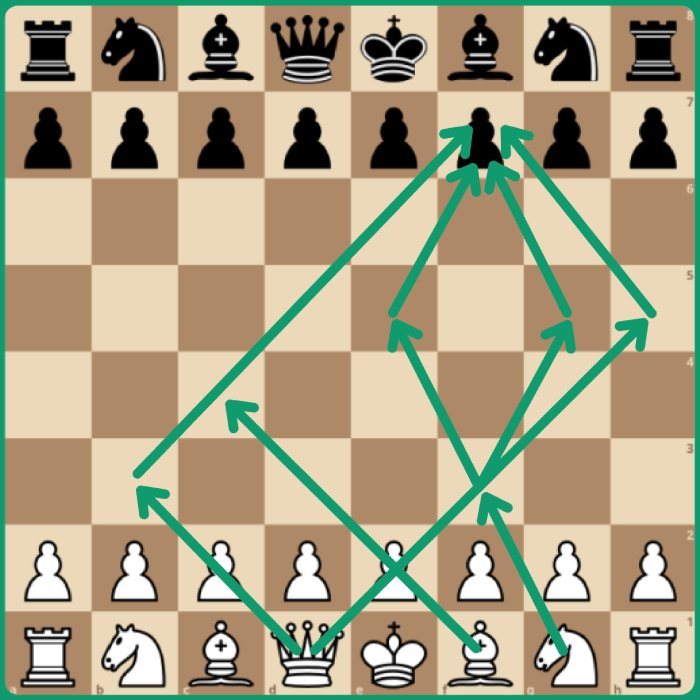
- The Scholar’s Mate: This one is super famous! It aims for a quick checkmate by focusing on the weak f7 square. You bring out your queen and bishop to attack this point together. It’s not the most complicated strategy, but it can be very effective against newer players.
- The Italian Game: This is a good choice for a more aggressive approach. You usually bring out a knight, then a bishop to control the center squares and get ready to launch an attack.
- The Ruy Lopez: A bit more strategic, but still has potential for early attacks. It involves moving your pawn to e4, followed by your knight and a bishop. This setup focuses on central control and tactical possibilities.
Opening Traps to Watch Out For
While trying to win quickly, you can easily walk into your opponent’s trap if you are not careful. Watch out for these:
- The Fool’s Mate: This is the fastest way to lose a game! It involves moving the f pawn and g pawn, creating a path for your opponent’s queen to checkmate you immediately. Avoid this at all costs.
- Trapped pieces: When bringing pieces out too quickly, inexperienced players sometimes get pieces trapped behind other pieces, and this can be very costly for them. Always make sure your pieces have an escape route.
Remember, the goal of your opening moves isn’t just to move pieces randomly. It’s to set up an attack, control key squares, and get your pieces ready to work together. Choose your opening based on your play style and level, and your opponent’s play style.
Controlling the Center of the Chessboard
Think of the center squares (d4, e4, d5, e5) as the heart of the chessboard. If you control the center, you have more influence on what’s going on. Here’s why it’s so important:
- Mobility: Pieces in the center have more options for movement. They can reach either side of the board quickly.
- Attack opportunities: Center control often means you can attack both flanks more effectively.
- Restricting your opponent: If you control the center, you make it harder for your opponent to get their pieces where they need to be.
Pawn moves, like moving the pawn to e4 or d4, are a great way to claim the center early in the game. The best way to control the center is with both pawns and knights or bishops.
Fast Development: Getting Your Pieces in the Game
Just like in a race, you want to get your team moving as soon as possible. In chess, this means bringing your knights and bishops out to good squares early in the game. Here’s what you should focus on:
- Knights Before Bishops: Usually, it’s good to develop your knights before your bishops. This is because knights are a bit more flexible and can go to more squares early on.
- Active Squares: Place your pieces on squares where they can attack or control something important. Don’t put your pieces on the edges of the board if you can help it.
- Avoid Blocking Pawns: Be careful not to block your own pawns with your pieces. If you block your pawn, that means it is not going anywhere in the game.
- Castle Early: Castling is really important for keeping your king safe. Do this as soon as possible.
The faster you develop your pieces, the faster you can start your attack.
Recognizing and Exploiting Weaknesses
Your opponent will make mistakes; it’s part of the game. The key is to notice these mistakes and take advantage of them. Here are some things to look out for:
Common Weaknesses to Watch Out For
- Unprotected Pieces: If your opponent leaves a piece undefended, you can probably attack it and take it.
- Weak Pawns: Look for isolated pawns (pawns that don’t have other pawns next to them) and backward pawns. They can become easy targets.
- Open King: If the opponent’s king has not castled or is exposed, this makes for the perfect opportunity to attack.
- Loose Pieces: Sometimes, pieces are too far away from their other pieces, leaving them in danger.
How to Take Advantage
- Calculate carefully: Don’t just move and attack. Think about what will happen a move or two ahead.
- Use forks and pins: A fork is an attack on two pieces at the same time. A pin is when a piece is stopped from moving because it would expose the king. These can be really powerful tools.
- Don’t be greedy: It is sometimes tempting to focus on only winning material, but sometimes you can win a game by sacrificing a piece.
When your opponent makes a blunder, don’t hesitate, and take the material immediately.
Basic Checkmate Patterns for Fast Wins
Knowing some common checkmate patterns can help you finish a game quickly. Think of these as your “go-to” moves when you see an opportunity. Here are some examples:
Examples of Checkmate Patterns
- Back Rank Mate: This is where a rook or queen checkmates the king when it’s stuck on the back rank and can’t move. Usually, the king is blocked by its own pawns.
- The Queen and Knight Mate: A tricky pattern that uses the queen and knight in a coordinated way to checkmate the king. Usually, there is a wall of pieces nearby which prevents the king from escaping.
- The Bishop and Queen Mate: In this situation, the bishop supports the queen, often along a diagonal, to deliver the final blow.
Practice these patterns so that they come naturally to you during a game. You don’t need to memorize hundreds of moves. Having a few solid ones can take you far.
Tactics: The Key to Winning Fast
Tactics are like the surprise attacks of chess. They’re about using your pieces in combination to win material or force checkmate. Here are some of the most important chess tactics for a quick win:
Tactical Motifs for Faster Wins
- Forks: A fork is a move that attacks two or more enemy pieces simultaneously, usually forcing them to lose one. A knight is especially good at forks.
- Pins: A pin is when you restrict the movement of an opponent’s piece by lining it up with their king, and it’s like making one piece unmovable.
- Skewers: A skewer is similar to a pin, but it attacks a more valuable piece in line with a less valuable piece, forcing the opponent to move their more valuable piece to save it.
- Discovered Attacks: A discovered attack is when you move one piece to expose another one to attacking an opponent’s piece.
- Sacrifices: Sometimes, sacrificing a piece is worth it if you can checkmate the opponent or gain a big material advantage. Don’t be afraid to sacrifice a piece if it leads to a winning attack.
The more you practice these types of tactics, the better you’ll become at spotting them in your games. When you see a potential tactic, take your time and carefully evaluate your options before you make your move.
Avoiding Common Mistakes That Can Slow You Down
Knowing what not to do is just as important as knowing what to do. Here are some common mistakes that can slow you down and cost you the game:
- Moving the Same Piece Repeatedly: Moving the same piece multiple times in the opening is a waste of time. Get your pieces out in the game!
- Ignoring the Center: If you forget about the center squares and do not control them, you allow your opponent to take control of the game.
- Moving Pawns Too Soon: Don’t move too many pawns in the opening, unless you are strategically doing that for a purpose. Focus on getting your other pieces in the game first.
- Making Hasty Moves: Take a moment to think before making each move. Rushing will lead to blunders.
- Ignoring Your Opponent’s Threats: Don’t get so focused on your own moves that you ignore your opponent’s attacks. Be aware of your opponent’s plans.
By avoiding these common mistakes, you’ll be in much better shape to win fast.
Practice Makes Perfect
You might have heard it before, but it’s true: The more you practice, the better you will get at playing chess. Here are some ways you can practice winning fast:
- Play Regularly: Play as many games as you can, against a variety of players.
- Play Blitz Games: Playing speed chess (blitz) can help you think faster, and also helps to sharpen your tactical vision.
- Do Chess Puzzles: Solving chess puzzles helps you recognize tactical situations and checkmate patterns, which allows you to win faster in your games.
- Review Your Games: After each game, try to go back and review your moves and understand what went right and what went wrong.
With consistent practice and learning, you’ll become faster at making good decisions in chess.
Keeping an Eye on the Clock
When you are playing with a time limit, it’s important to be aware of the clock. If you spend too much time thinking about a move in the middle game, you might run out of time. Here are some tips:
- Don’t Think Too Long on Each Move: When playing fast games, you need to move quickly and decisively.
- Practice Time Management: Try setting a timer for yourself when practicing tactics. This will help you get better at quickly finding good moves.
- Know When to Think Deeply: In important moments of the game, don’t be afraid to think for a little bit longer to figure out the best move. However, in general, you should be quick.
Managing your time effectively can win you a game on the clock, even if you aren’t in a winning position.
Adapting Your Strategy
It’s important to be able to adapt your strategy to whatever your opponent is doing. If you just try to do the same thing every game, your opponent might easily be able to anticipate your moves. Here are some ways to adapt:
- Change Your Opening: Don’t always use the same opening. Mix it up. This way, you can have many different strategies to win the game and your opponent cannot anticipate your moves.
- Adjust to Your Opponent’s Play Style: Is your opponent playing defensively? Then go on the offensive. If they are playing aggressively, try to control the center first.
- Be Flexible: If your original plan is not working, then try something else. Be willing to change your strategy mid-game.
Adapting is what separates the good players from the great players. Always remember, chess is not a static game.
The Mindset for a Quick Win
It’s not just about the moves you make; it’s also about how you think. Here’s how you can approach chess with the right mindset for quick wins:
- Be Confident: Believe in your own ability to win. This confidence can sometimes give you an edge in the game.
- Be Focused: Stay focused on the game. Avoid distractions. Concentrate only on the chess board in front of you.
- Be Calm: Getting too stressed can make you make mistakes. Stay calm, and think clearly.
- Be Patient: A quick win is not possible every game. Be patient, and don’t force moves.
The right attitude can greatly impact how you play the game. Chess is a mental game, so train your mind to always stay sharp.
Winning at chess fast takes practice and knowing a couple of key moves, but it is very possible. It’s about combining good opening moves, controlling the center, developing your pieces fast, spotting opportunities, using tactics effectively, and having a good mindset. Remember, learning to win quickly is a journey. Have fun, and keep learning. And most importantly, don’t give up even if you have some losing streak.
How to win Chess in 4 moves!
Final Thoughts
To win a chess game fast, focus on controlling the center early. Develop your pieces quickly and efficiently, not wasting moves. Watch out for tactical opportunities like forks and pins. These can gain material or checkmate swiftly. Aggression, when properly calculated, pays off.
Don’t lose sight of your opponent’s threats while pursuing your attack. A balanced approach can lead to a fast victory. Knowing how to win a chess game fast involves aggressive play and accurate tactics combined.

