
Winning a chess game quickly often involves exploiting early weaknesses, developing pieces rapidly, and aggressively attacking the opponent’s king.
Ever felt the thrill of a swift victory on the chessboard? We all crave that feeling! The desire to learn how to win a chess game quickly is a common ambition for many players, beginners and seasoned alike.
This article explores simple, yet effective strategies. We’ll show you how to create opportunities for checkmate in the early stages of a match. These are tactics and methods you can apply to significantly shorten a chess game.

How to Win a Chess Game Quickly
Want to win at chess without spending hours locked in a battle of wits? You’re in the right place! Many think chess is all about slow, careful moves, and while that’s true at higher levels, there are definitely ways to speed things up and score a quick victory. This article will explore some strategies that can help you checkmate your opponent faster than they might expect.
Understanding Early Game Tactics
The opening moves are like setting the stage for the whole game. If you play them right, you can put your opponent on the back foot right away. Let’s look at some key ideas for getting an early advantage.
The Importance of Control
One of the most important goals in the opening is to control the center of the board. The center squares allow your pieces to move more freely and influence a larger part of the board. Think of it like a busy intersection – whoever controls it has the most say in where things go. Here are some good ways to claim that central real estate:
- Move Your Center Pawns: Moving your e4 or d4 pawn is a standard way to start. These moves help control the center and open lines for your bishops and queen.
- Develop Your Knights and Bishops: After your center pawns move, get your knights and bishops out quickly. They are stronger in the middle of the board than stuck at the back.
- Don’t Move the Same Piece Too Many Times: Try to move all your pieces to good positions before moving the same piece again. This idea is called “developing your pieces efficiently.”
Imagine you have a toy car. You wouldn’t just drive it back and forth in the same small area, right? You’d want it to explore the whole room! Same with your chess pieces; let them all join the action early!
Basic Opening Principles
Besides controlling the center, consider these points during your initial moves:
- Castle Early: Castling gets your king to safety and connects your rooks. Do this as quickly as you can. It is one of the most important things in a chess game.
- Avoid Moving Your Queen Too Early: While the queen is powerful, moving it too early can make it a target for your opponent’s pieces. Develop your other pieces first.
- Don’t Make Too Many Pawn Moves: Moving too many pawns early can weaken your position. Focus on bringing out your pieces.
Recognizing Quick Checkmate Opportunities
Sometimes, your opponent’s moves might give you a perfect chance to win quickly. Learning to spot these opportunities can lead to very quick victories.
The Fool’s Mate
The Fool’s Mate is the fastest way to lose in chess and also a good way to win very quickly if your opponent isn’t careful.
Here’s how it goes, with White moving first:
- White moves the f-pawn two squares (f2-f4).
- Black moves the e-pawn one square (e7-e5)
- White moves the g-pawn two squares (g2-g4).
- Black moves the queen to h4 (Qh4), and checkmates the White King.
See how quickly that happened? The key thing here is to avoid playing g2-g4 move and be aware that when you weaken the kingside, then the opponent can easily exploit that.
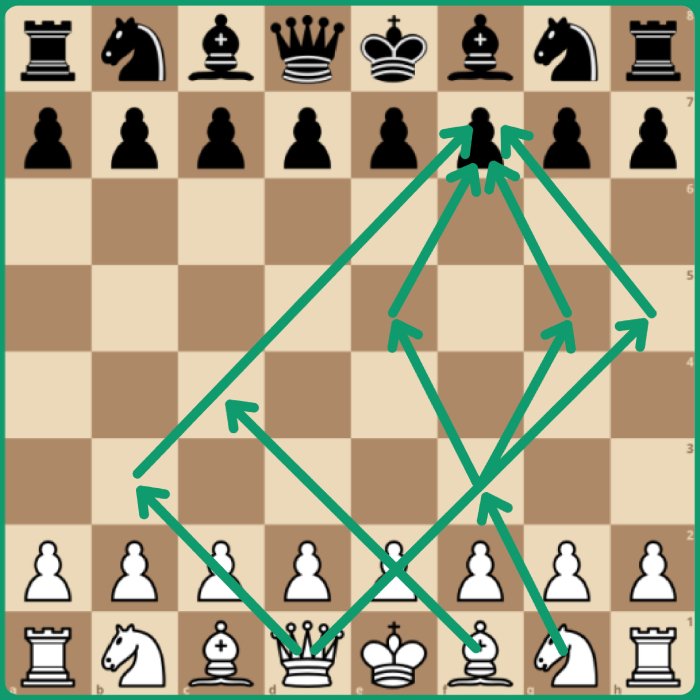
The Scholar’s Mate
This is another very common way to win very quickly, particularly against beginners. The sequence is like this:
- White moves e2-e4 (or other pawn to center).
- Black responds, usually with e7-e5.
- White brings their bishop out to c4 (Bc4).
- Black does another move.
- White brings their queen to h5 (Qh5)
- White move Qh5 to f7 and checkmate on f7 square
The idea is to attack the weak f7 square early in the game with both the queen and bishop.
How to defend against Scholar’s Mate?
- Don’t let your opponent place the queen on h5 square.
- Put a pawn or knight in the path of queen or bishop when your opponent tries to attack the f7 square
Back Rank Checkmates
These checkmates happen when a king is trapped on the back rank with its own pawns blocking its escape. Here’s how it often happens:
- Opponent castles short (on the kingside)
- All the pawns are blocked and the king cant move.
- You move your rook (or queen) to the open h file (or any other open file if the situation permits) and do checkmate.
The basic idea is to attack the king along the back rank with a rook or queen.
Aggressive Tactics
Aggressive chess isn’t about just attacking blindly; it’s about making your pieces work together powerfully.
Forks
A fork happens when one of your pieces attacks two of your opponent’s pieces at the same time. Most commonly we use knights for making forks. For example:
- A knight could attack the king and queen at the same time, forcing your opponent to lose their queen.
- A knight could attack a rook and a bishop at the same time, forcing your opponent to lose either the rook or the bishop.
Forks often lead to winning important material and also help in winning the game quickly.
Pins
A pin happens when one of your pieces (a bishop, queen, or rook) is threatening a higher-value piece (like the king) through a lower-value piece (like a knight). In simple words, the lower value piece is pinned to the higher value piece. The main purpose of the pin is to immobilize the opponent’s piece. For example:
- A bishop can pin a knight to the king, stopping the knight from moving and you have an easy attack.
- A rook can pin a knight to a queen.
Pins are very powerful and by using them correctly, it is very easy to win a chess game.
Skewer
A skewer is similar to a pin. The only difference is in a skewer a higher-value piece is being attacked first instead of the lower-value piece. For Example:
- A bishop attacks the king and there is a queen behind it. After moving the king, you can capture the queen easily.
A skewer is a very powerful tactical weapon. Using it correctly can lead you to victory very quickly.
Exploiting Weaknesses
Always look for weaknesses in your opponent’s setup. These might include:
- Exposed King: If your opponent’s king is not well protected, it might be easier to launch a direct attack.
- Loose Pieces: Unprotected pieces are easy to capture and can give you a big material advantage.
- Weak Pawn Structures: Weak pawns can be targets and can make it hard for your opponent to defend their position.
Practical Tips for Faster Wins
Besides knowing the tactics, here are some practical things you can do to help you win faster:
Think Ahead
Try to imagine not just what your opponent might do next, but what might happen in the next 2, 3, or even more moves. This will help you plan better attacks and anticipate their defenses.
Practice Regularly
Like any skill, chess gets better with practice. Play often, and if you can, play against people who are slightly better than you, and review your games to learn from your mistakes. There are many websites and apps online where you can play and learn.
Analyze Your Games
After each game, take a few minutes to think about what you could have done better. Look for the moments where you might have missed a chance for a quick win, or what caused you to lose.
Be Confident and Decisive
Don’t be afraid to make your moves quickly (once you’ve thought them through, of course). Hesitation can sometimes make you miss good opportunities. Confidence in your plan can be very effective.
Common Mistakes to Avoid
Quickly winning in chess is not just about doing the right things, it’s also about avoiding mistakes.
Over-Extending Your Pieces
Moving too many pieces forward early in the game can make them vulnerable. Try to keep them balanced and protected.
Ignoring Your King’s Safety
It is always important to have your king in a safe position. Always focus on protecting your king. Don’t push all your pieces forward when the opponent is trying to attack your king.
Rushing Your Moves
Even though we are talking about quick wins, it doesn’t mean you should play without thinking. Take a second to make sure your move makes sense. Don’t move without thinking. It is always good to think through the move properly and then make your move.
Getting Distracted
Try to give your game your full attention. If you are playing a game online or with a physical board in your home, then give your game the full concentration it requires. Distractions can cause you to make mistakes.
Resources for Learning More
There are countless resources to help you continue to grow as a chess player. Here are some great places to start:
- Websites: Sites like Chess.com, Lichess.org, and Chess24.com offer lessons, puzzles, and the ability to play others.
- Books: Many great chess books can help you learn the game (look for ones geared towards beginners and intermediate players).
- YouTube Channels: There are a lot of fantastic chess channels that teach everything from beginner concepts to advanced strategies.
- Local Chess Clubs: Playing with other people at a club is a great way to learn and improve.
By understanding basic openings, recognizing quick checkmate patterns, applying aggressive tactics, and making some good habits, you can definitely start winning your chess games quickly. Keep practicing, keep learning, and you’ll be checkmating your opponents faster than ever!
CHECKMATE In 4 Moves!
Final Thoughts
To win a chess game quickly, focus on early piece development and control of the center. Direct, aggressive attacks, especially with a well-coordinated queen, can lead to rapid checkmates. Remember tactical patterns like forks and pins to gain material advantage.
Exploiting opponent errors is crucial. Avoid unnecessary pawn moves in the opening. Always be aware of threats and opportunities to quickly end the match. These are key parts of how to win a chess game quickly.

