
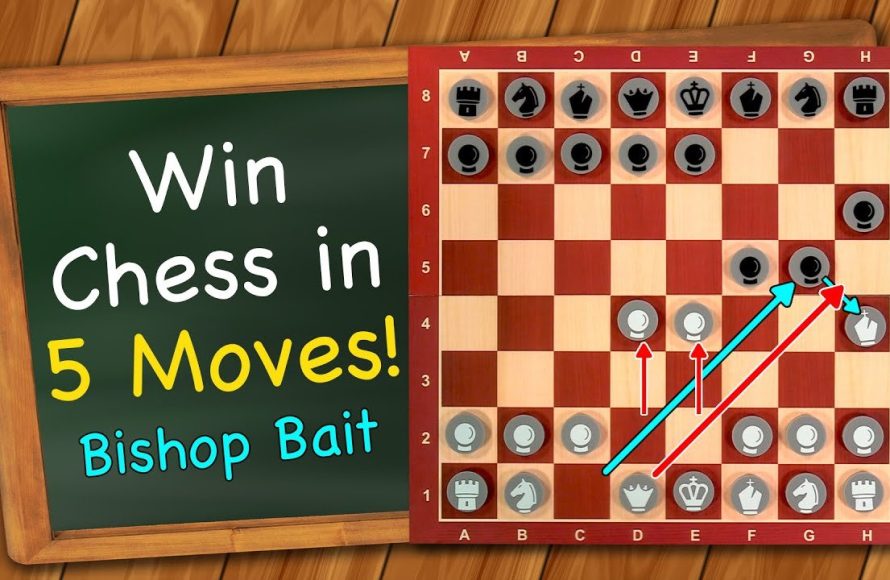
To win a game of chess in 5 moves, you need your opponent to make specific, very poor opening moves, allowing you to deliver a quick checkmate, often using the Fool’s Mate pattern.
Is it truly possible to learn how to win a game of chess in 5 moves? The short answer is yes, but it relies heavily on your opponent’s cooperation through terrible play. It’s less about a foolproof tactic you can always employ, and more about exploiting extremely weak early moves.
This article will examine one very specific scenario, demonstrating the fastest possible checkmate. It is a fascinating possibility, showing that chess can sometimes be over very quickly, though it is rarely a realistic occurrence in actual games.

How to Win a Game of Chess in 5 Moves
Okay, let’s be real. Winning a chess game in just five moves is super rare! It’s like finding a four-leaf clover in a field of grass. It usually only happens when your opponent makes some big mistakes right at the start. But, knowing how these quick wins happen is actually a great way to learn about chess strategy and to avoid falling into traps yourself. It’s all about understanding the basic principles and recognizing when your opponent leaves themselves open to a swift checkmate. While it’s unlikely you’ll pull this off every game, understanding the mechanics of these rapid wins can definitely help you become a better chess player. Let’s explore this interesting part of the game together.
Understanding Fool’s Mate: The Most Common 5-Move Win
The most famous example of a five-move win in chess is called the “Fool’s Mate.” This is where the game ends super quickly because of some very specific mistakes made by the player with the white pieces. It’s named ‘fool’s mate’ because only a ‘fool’ would play this sequence of moves. This sequence is not common in an actual game. Let’s break down the steps and see exactly how this happens.
The Fool’s Mate Sequence
Here’s how the Fool’s Mate unfolds, step by step:
- White’s First Move: White moves their f pawn two squares forward. This is written as f2-f4, or just f4. This opens up the diagonal for white’s queen, but it also weakens the kingside.
- Black’s First Move: Black moves their e pawn one square forward. This is written as e7-e5, or just e5. This move controls the center of the board and prepares the way for black’s pieces.
- White’s Second Move: White moves their g pawn two squares forward. This is written as g2-g4, or just g4. This is the second weakening move by white. It further weakens the king’s position. This move is another important step in creating the trap.
- Black’s Second Move: Black moves their queen to h4. This is written as Qh4. This move now puts white’s king under attack. This is the start of the end for white.
- White’s Third Move: White moves their King-side knight to f3 to defend. This is written as Nf3. The move looks like it defends the mate, but is too late for white.
- Black’s Third Move: Black moves their Queen from h4 to f2, where it attacks the White King. This is written as Qf2#. This is Checkmate. The game ends here.
The # symbol indicates a checkmate – game over! The white king is under attack and has no legal move to escape. The black queen delivers the final blow. White loses in just three moves. This quick loss happens because White exposes their king very quickly without thinking about how their moves affect the board. This sequence shows the importance of good opening moves and not exposing your king too early in the game.
Why Does Fool’s Mate Work?
The Fool’s Mate works because White makes two very big mistakes early on:
- Weakening the Kingside: By moving the f-pawn and then the g-pawn without controlling the center first, white leaves their king very vulnerable to attack. These pawns normally protect the king.
- Ignoring the Black Queen: The moves made by white completely ignores the black queen. White fails to recognize that the black queen is ready to go for an easy attack. By not watching the queen, White gives Black an easy checkmate opportunity.
It’s a great lesson in how quickly a game can go wrong if you don’t think about the long term effect of your moves. Playing the first 2 moves of fool’s mate is a very bad choice for white. It makes the kingside completely weak.
Other Possible 5-Move Wins
While Fool’s Mate is the most well-known example, there are other, less common ways to win in 5 moves. These usually involve a similar kind of setup where one player makes multiple mistakes. These quick wins highlight a few more crucial chess principles:
The Importance of Central Control
Controlling the center of the board gives you more control over the game. The center of the board is a crucial point of the chessboard. Most good chess strategies aim for center control. When you have control of the center, it gives your pieces better mobility and makes it easier to attack your opponent. The fool’s mate highlights the importance of controlling the center and not making moves that leaves your king exposed.
Moves in the opening must be made to control the center. Without center control, it’s much easier for your opponent to attack and develop their pieces. Many opening strategies and chess moves aim to control the center.
Developing Your Pieces Quickly
Good chess involves moving your pieces into active positions. You must move your pieces so that they control the board and help with attacking and defending. Pieces sitting at their original positions at the start of a chess game are not helpful. The more active your pieces are, the more powerful you become. This can help you put pressure on your opponent and create opportunities for attack. If you do not develop your pieces, you will most likely be in a difficult situation and possibly lose in 5 moves. When you try to win quickly, it’s very important to develop your pieces, especially your queen, to put pressure on your opponent.
Watch out for Traps!
Chess has many traps, and it’s important to be aware of them. A trap is a sequence of moves that leads your opponent to lose. These traps are not easy to spot unless you have played chess for a while and you’re familiar with them. Recognizing these traps can turn a game in your favor, and it can help you avoid losing. Many traps often target the king because if the king is in checkmate, you win the game. These traps can happen very quickly, sometimes even within 5 moves. This is why it’s very important to carefully think about your moves.
Avoid Weak Moves
Weak moves are moves that don’t help you and only give an advantage to your opponent. Moving pawns without any plan is usually a weak move. You must not move pawns only to weaken the protection of your king. Fool’s mate is the perfect example of weak moves that quickly leads to checkmate. Instead of moving pawns without a plan, you should prioritize center control and developing your pieces.
Can You Actually Plan to Win in 5 Moves?
While it is fun to think about winning very quickly, it is not realistic in normal games. Experienced players do not make these big opening mistakes. Your opponents will rarely leave open opportunities for you to win in 5 moves. Trying to win in 5 moves might even hurt your overall game. However, learning to spot these opportunities, to understand how they work, and to avoid these mistakes yourself, will help you become a much better chess player. It’s important to focus on playing solid and strong moves. As you improve your game, you will learn how to win the game normally, instead of looking for quick checkmates.
How to Avoid Losing in 5 Moves
Now that you know how to win in 5 moves, it’s equally important to know how to avoid it. Here are some tips to avoid losing in 5 moves:
- Control the Center: Focus on controlling the center of the board with your pawns and pieces.
- Develop Your Pieces: Quickly move your knights and bishops to active positions.
- Protect Your King: Do not leave your king unprotected, especially in the beginning.
- Think Ahead: Always think about your opponents next possible moves before making a move yourself.
- Avoid Weak Moves: Don’t move pawns just for the sake of moving them, think about their function.
- Be Aware of Traps: Be on the lookout for traps and try to avoid them.
Using 5-Move Wins to Improve Your Chess Game
Even if you don’t actually win a chess game in 5 moves, learning about these kinds of wins is still very helpful for improving your chess skills. Here’s how:
- Recognize Weaknesses: The main reason for these quick wins is the mistakes your opponent makes. By learning about them, you will quickly be able to recognize when someone’s king is very exposed or if they’re not developing their pieces. You can take advantage of these situations.
- Understand Piece Value: These quick wins show you how important the queen can be. They highlight the importance of using your queen to attack and putting pressure on the opponent. You will also learn the value of pawns and their role in defending the king.
- Learn Opening Principles: These wins help you learn the importance of good opening strategies and avoiding mistakes. You will get familiar with good and bad opening moves.
- Learn Basic Checkmates: The Fool’s Mate is a basic checkmate pattern. By studying it, you will improve your ability to identify patterns of checkmate which can be very useful in the end game.
- Think Strategically: Understanding how these quick wins happen is all about strategy. You need to think about your opponent’s moves and try to anticipate what they might do.
In short, don’t focus on trying to win in 5 moves. Instead, focus on understanding the important chess rules and strategies. You must focus on playing a good chess game, not on finding a quick checkmate. These quick wins highlight the importance of strong opening and careful moves. By understanding these principles, you can improve your game and avoid losing early on.
While winning a chess game in five moves is exciting to think about, it’s really more about the lessons it teaches us. It reminds us to develop our pieces, control the center, protect our king, and think ahead about possible traps. This understanding will greatly improve your chess skills and help you play better chess in the future.
How to win Chess in 5 moves by baiting your opponent!
Final Thoughts
Achieving victory in chess so quickly requires the Fool’s Mate. White moves their f-pawn, then g-pawn. Black responds with e-pawn and then queen to h4. White’s king has no defense. This is how to win a game of chess in 5 moves, a rare, but possible scenario.
This early checkmate depends on your opponent’s cooperation. It’s not a common strategy in regular play. The ‘how to win a game of chess in 5 moves’ sequence highlights a critical vulnerability that must not happen to you.

