
To win any game, you must understand its rules, strategize effectively, practice consistently, and adapt to changing situations.
Ever felt that winning consistently is just out of reach? Many people struggle with understanding how to win any game, whether it’s a board game, a sport, or even a video game. It all boils down to a few key principles.
These principles help you perform better and increase your chances of victory. It’s about developing the right mindset, putting in the effort, and learning from each experience. This applies to almost everything in life.

How to Win Any Game
Winning isn’t just about luck; it’s about understanding the game and playing smart. Whether you’re playing a board game, a video game, or even a sport, certain principles can help you improve your chances of success. Let’s dive into what it really takes to become a winning player, focusing on strategies and mental approaches that work across different kinds of games.
Understanding the Game
Before you even start thinking about winning, you need to know the game inside and out. This means understanding the rules, the goals, and all the different ways you can play. Think of it like learning a new language – you can’t speak it well until you know the alphabet and the grammar.
Know the Rules
This might seem obvious, but you’d be surprised how many people try to play without a firm grasp of the rules. Don’t just skim the rulebook; read it carefully. Make sure you understand things like:
- How to score points
- What you can and can’t do
- Any special rules or exceptions
If there’s a rule you’re not sure about, don’t hesitate to ask someone who knows or look it up online. Knowing the rules is the first step to playing strategically.
Identify the Win Condition
Every game has a way to win. It’s crucial you know what that is. Is it about getting the most points, being the last one standing, or reaching a certain goal? Understanding how to win is the most basic and most crucial element of winning any game. If you don’t know how to win, how can you ever get there? Some games might have multiple win conditions; identifying them is part of the analysis.
Learn the Game Mechanics
Game mechanics are how the game works. Think about the different actions you can take in the game and what results they have. You have to understand the different moves you can make, if you play a sports game, you will need to understand your playing moves, and what are the ways you can score, you need to know the rules of the game. Ask yourself questions like:
- What are all the possible actions I can take?
- What are the costs and benefits of each action?
- How do my actions affect the game state?
By understanding the game mechanics, you start to understand how you can influence the outcome.
Developing a Winning Strategy
Now that you know the game, it’s time to plan your moves. A good strategy isn’t just about luck; it’s about using your knowledge to make good decisions.
Planning Ahead
Don’t just react to what’s happening; plan ahead. Think about what you want to do in the next few moves. Sometimes, you might need to make small sacrifices now to achieve a bigger goal later. Look for patterns in the game and think about how your opponents might react to what you are doing. This process is like building a road map for the game.
Adaptability
A good plan needs to be adaptable. Things don’t always go your way. If your opponent does something unexpected, you need to be able to change your plan. You have to be prepared to change your strategy to meet the current situation of the game. Being flexible and being ready to adapt to changing situations can make you more resilient during the game.
Identify Strengths and Weaknesses
What are you good at? What are your weaknesses? It’s important to know both. Maybe you’re really good at defense but not so good at offense. Knowing this helps you decide where to focus your efforts and how to play the game. Also, it is equally important to identify the strength and weaknesses of your opponent to exploit their weaknesses and dominate the game. Knowing yourself and your opponent well can give you the upper hand in any game.
Practice Makes Perfect
Practice is key to getting better at any game. The more you play, the more you understand the different strategies and moves you can take. Don’t be afraid to try new things and see what works. You need to play the game multiple times to understand how to play and how to get better at the game. With the repetition of playing the game, you will come to understand all the nuances that the game has to offer.
The Importance of Observation
Winning also relies on how well you can observe the game. A keen eye can catch opportunities that others might miss.
Watching Your Opponents
Don’t just focus on your own game; pay attention to what your opponents are doing. Are they making any mistakes? Are they using a particular strategy? If you know what they’re up to, you can make moves to stop them. Try to understand their move sets and use that information to plan your attack or your defense.
Analyze The Game
Before, during and after the game, you have to analyze the game. Before the game, you need to understand the game, during the game you have to understand the movements of the opponent, and after the game, you have to analyze what you did wrong or right during the game. Thinking about why you won or lost the game helps you improve for the next round. It’s like learning from your mistakes and building on your successes. This kind of analysis is very important for improving at a game.
Look for Patterns
Sometimes, the game can be like a puzzle with patterns. If you can spot patterns, you can predict what might happen next and plan your moves accordingly. Every game has its own pattern that will repeat itself every time the game is played. You need to find the pattern of the game and use that knowledge to understand what the next outcome could be, and act accordingly.
The Right Mindset
Your attitude and mindset are just as important as your strategy and knowledge of the game. A positive and focused mind can make a huge difference.
Stay Calm Under Pressure
Games can be stressful, especially when things aren’t going your way. If you panic, you make bad decisions. Take a deep breath, stay calm, and focus on what you need to do next. You have to keep your mind clear, and focused to play better under pressure. Even if you are losing you need to focus on the game.
Persistence
You won’t win every time. Sometimes, you might lose many times before you start seeing results. Don’t get discouraged. Keep practicing, keep learning, and keep trying. Every game is a learning experience and you can always improve. The key to success is never to stop trying. Persistence will pay off.
Learn From Losing
Losing is tough, but it’s also a chance to learn. If you lost, think about why. What mistakes did you make? What can you do better next time? Sometimes, losing is the best way to improve. Every loss will teach you something, that is invaluable. You can take these lessons to make yourself a better player in the future.
Specific Strategies for Different Types of Games
While the principles we’ve talked about apply to most games, certain types of games have their own specific strategies.
Board Games
Board games are like a microcosm of life – there’s strategy, luck, and the unpredictability of others. Here are some points to keep in mind:
- Control the board: In board games like Monopoly or chess, positioning is very important. You have to try to control the board so that you are at the advantage.
- Resource management: In games where you collect resources, you have to keep a tab on the resources you have, so that you don’t run out of them. You have to also think about the resources you need for the future.
- Think ahead: A good player always thinks a few steps ahead. What will happen if they do this? What will the other players do?
Video Games
Video games often require quick reflexes and strategic planning. Here are few tips for winning in video games:
- Learn the controls: Know how to use your controller and all the different moves. The better you know your game controls, the better you will be at playing the game.
- Practice, practice, practice: Play the game and understand how the game moves and what the rules of the game are. The more you play, the more you will understand the game and how it works.
- Watch other players: See how the other players play the game, and you can learn some valuable things from it. It’s like getting tips from the experts.
Sports
Sports are not just about physical ability, but strategy and teamwork are also very important. Here are some helpful points to remember.
- Practice the basics: Keep practicing the basic skills of your sport, and you will get better at your sport.
- Work as a team: In team sports, communication and cooperation are the keys to success. You can win the game by working together.
- Stay fit: Being in good physical shape is very important for sports. The more physically fit you are, the better you can play.
Card Games
Card games require a mix of luck, strategy, and understanding of probabilities. Here are some winning ways:
- Know the cards: Each card game has its own rules and probabilities. Understand which cards are the most powerful, and use that knowledge to your advantage.
- Bluffing and reading: It’s very important to understand what cards your opponent has in their hands and to try and confuse your opponent.
- Managing your hand: Sometimes you might want to keep cards that are not immediately helpful, but can help you later in the game.
Advanced Techniques
Once you’ve got the basics down, you can try some more advanced techniques.
The Art of Deception
Sometimes, winning is about making your opponent think you’re doing something different than what you are. This is called deception. You can use this strategy to confuse your opponent and win the game. But you have to be careful because this trick can also backfire on you if your opponent understands what you are trying to do.
Exploiting Opponent Weakness
Everyone has weaknesses. Smart players know how to identify those weaknesses and make the most of them. This strategy works when you understand your opponent well and their style of playing the game. Once you understand how the opponent plays the game, you can plan your attack accordingly.
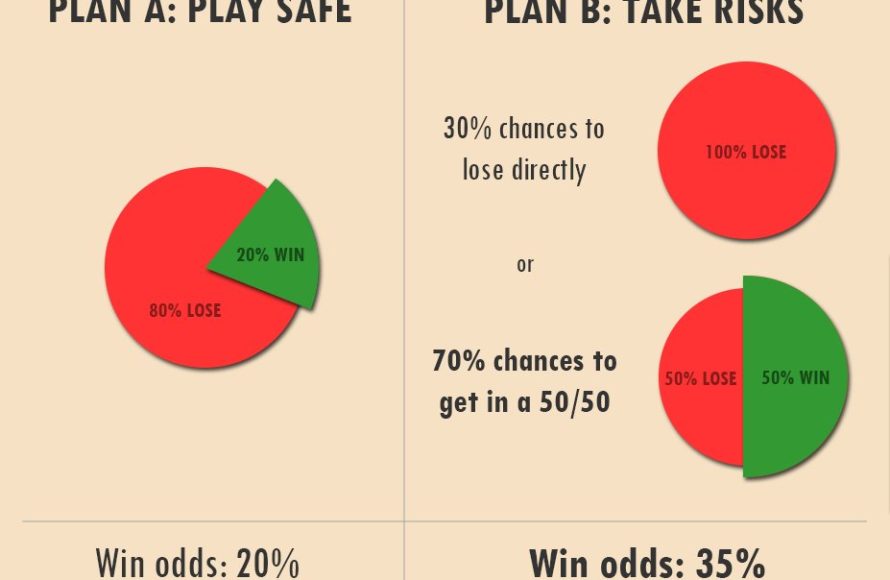
Risk Taking
Sometimes, you have to take a chance to win the game. But you have to be smart about it. You don’t want to take all the chances as they can backfire. But some calculated risks can help you win the game. The best way to understand when to take the risks is by experience of playing the game.
Mental Preparation
Before the game, take some time to get your mind right. Get yourself calm and focused before playing the game. If you are in a bad mood or stressed, you can’t play as well as when you are calm and focused.
Keeping the Joy of Gaming
While winning is great, it’s important to remember that games are meant to be fun. Don’t let the desire to win spoil the experience.
Play Fair
It’s always important to play fair. Winning by cheating isn’t a real win. You should always follow the rules of the game and play fairly. No one likes a cheater, so you should always play by the rules of the game. Playing fair makes everyone enjoy the game more.
Be Respectful
Win or lose, be respectful to your opponents. Games are an opportunity to learn and have fun with other people. Even if you don’t like losing, it’s important to be a good sport. Being respectful to others helps to improve the overall gaming experience.
Have Fun
Remember why you started playing in the first place. It’s about enjoyment. Don’t get too caught up in trying to win that you forget to have fun. You should play the game so you enjoy yourself and learn more. Keep playing and keep having fun!
Winning any game involves more than just luck. It combines strategy, understanding, adaptability, a good mindset, and continuous learning. Whether you’re a novice or an experienced player, focusing on these principles will not only improve your gameplay but also make the entire gaming experience more enjoyable and rewarding. Remember that the journey of learning the game is as valuable as the final win. Keep practicing, stay curious, and most importantly, have fun!
How to Get REALLY Good at ANY Game
Final Thoughts
To win any game, adapt quickly, stay observant, and never stop learning. Understand the core mechanics and your opponents’ tendencies. Practicing consistently improves your skill. This combination is key to outplaying others.
Mental toughness is also must. Control your emotions and focus on each step. Consistent effort, strategic thinking and adaptability will significantly improve your performance. Therefore, the answer to ‘how to win any game’ lies within these practices.

