
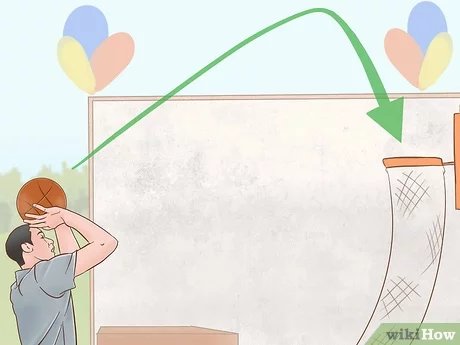
Winning fair games requires understanding the rules, developing a sound strategy, and practicing consistently to improve your skills.
Have you ever wondered how to win fair games? It’s not about cheating or manipulating the system; it’s about playing smart. We often think success in games comes down to luck, but skill and preparation are key factors.
You’ll find that even in a level playing field, consistent effort in learning the game’s nuances allows you to gain an advantage. Let’s delve into some actionable strategies to increase your chances of success when playing fair.

How to Win Fair Games
Okay, let’s talk about games! Not just any games, but the ones where everyone has a pretty good shot at winning – fair games. Think of board games, card games, even some sports where skill and a bit of luck play a part. Winning these games isn’t always about being the luckiest person; it’s about playing smart. This article will give you ideas to become a better player. We’ll look at everything from understanding the rules to figuring out the best strategies.
Understanding the Game Inside and Out
The first and most important step to winning is to know the game like the back of your hand. It’s like trying to bake a cake without a recipe – it just won’t turn out great. Knowing the rules perfectly means you won’t make silly mistakes, and you’ll understand exactly what you need to do to win.
Reading the Rulebook Carefully
Never, ever skip the rules. Even if you think you know them, read them again. Sometimes there are small details you might miss. These little details can be the difference between winning and losing. Pay close attention to special rules, what happens when something unexpected occurs, and how the game ends. Look out for these key aspects:
- Objective: What exactly do you need to do to win? Are you trying to get the most points, reach a certain spot, or eliminate your opponents?
- Setup: How does the game start? Where do the pieces go? What is handed out to each player?
- Turns: How does each turn work? Do you roll dice, draw cards, or take other actions? What are the limits on each action?
- Special Actions: Are there special cards or moves that can change the game? What are the effects and when can you use them?
- Winning Conditions: How does the game end? What criteria determine who wins?
For example, in a board game, one rule might say you can move only three spaces per turn. If you think you can move four, that’s a mistake. Knowing that limit helps you plan better. So, read the rule book, keep it handy, and ask questions when needed.
Learning the Game Mechanics
Game mechanics are how the game works – the nuts and bolts of it. Understanding these mechanics can give you a huge advantage. Think about it: in a racing game, do you only win by being faster or does making smart moves give you an advantage? Identifying what the game rewards and what actions yield the best results will help you win. For example, in some card games you need to collect sets to score points. Knowing this means you’ll focus on getting those sets. Here are some common game mechanics:
- Action Selection: Choosing actions each turn, knowing which one gets you closer to winning.
- Resource Management: How to collect and use in-game resources, such as money, cards, or points.
- Risk and Reward: Weighing the good against the bad in various moves.
- Hand Management: Knowing when to hold onto cards or items versus when to play them.
- Area Control: Knowing the importance of controlling certain parts of a game board or space.
When you understand these mechanics you can strategize and plan your moves better. You will not just rely on luck but you will have a better idea how to control your fate and win the game.
Developing Your Strategy
Knowing the rules is just the start. The real fun begins when you start thinking about how to play strategically. This means making smart choices that improve your chances of winning, rather than just playing randomly. Creating an effective strategy involves looking ahead, understanding how your choices impact the game, and adapting to what your opponents are doing. It’s like being a coach for your own game!
Thinking Ahead and Planning Your Moves
Good players don’t just think about their next move; they consider what will happen two, three, even four moves down the road. Imagine you are playing a game with cards. If you just play the first card you see, you may not be successful. But if you plan which cards you will play over the next few rounds, you can get the best results. To think ahead effectively, ask yourself:
- What can I do this turn that will help me in the next?
- What might my opponent do after I make this move?
- Are there any big changes that will occur later in the game?
- Can I set myself up for an advantage in a later stage of the game?
It’s like chess – every move you make affects the rest of the game. By planning ahead, you avoid traps and set yourself up for victory.
Analyzing Your Opponents
Watching what other players do is very important. Are they aggressive, focusing on offense, or are they more cautious and play defensively? This knowledge helps you predict their moves and adapt your strategy accordingly. For instance, if a player always grabs resources, you may need to start trying to block their resource-gathering action. Consider these factors while observing your opponents:
- What are their usual tactics?
- Do they tend to make the same mistakes?
- Are they playing defensively or aggressively?
- Do they have a particular strategy they stick to?
- Can you use their habits against them?
By carefully observing your opponents you can better predict their future moves and take advantage of their weaknesses.
Adapting to Changing Situations
Even the best-laid plans can go wrong. Maybe another player takes the piece you wanted or the cards don’t fall your way. This is why it’s very important to be flexible. Don’t become too attached to a single strategy and be prepared to change your plan. Adjusting your approach to deal with unexpected turns is essential in games. For example:
- If you are losing, can you change your strategy to become more aggressive?
- If a certain tactic is no longer working, what can you change?
- Can you quickly assess and alter your game plan if required?
A great player can recognize when their original strategy is not going to work anymore and is smart enough to change it during the game and find a different path to win the game.
Practicing and Learning from Mistakes
No one is perfect, and winning takes practice. Even if you know all the rules and strategies, it will take time to become better. Every game you play gives you a chance to get better. Embrace your errors, learn from them, and keep trying. It’s like learning to ride a bike—you’ll wobble and fall a few times before you can do it perfectly!
Playing Regularly
The more you play, the better you get. Each game is a learning experience that helps you see new possibilities, practice different tactics and get a feeling of the game. Regular practice sharpens your abilities, helps you understand how the game unfolds, and lets you experiment. Here are a few reasons why it helps to play often:
- It helps you understand the rhythms and patterns of the game.
- It provides a safe environment to test new strategies.
- It helps you learn to deal with the stress of a challenging game.
- You get more experience applying different methods.
- You get better at making quick decisions.
Playing often helps you not only learn new tricks but also helps you fine tune your skills and be better at playing the game you like.
Learning from Your Losses
Losing is not fun, but it can be a great learning opportunity. Instead of getting upset, try to figure out why you lost. Did you miss a key rule? Did your strategy not work? Did someone outsmart you? Think about your errors, learn from them and make an effort not to make the same errors again in your next game. Here’s how to learn from losses:
- What decisions did you make that did not work?
- Where did you make mistakes during the game?
- What could you have done differently?
- Did your opponent have a strategy you could learn from?
- What are the things you will do next time differently?
The best players are not the ones who always win, but the ones who learn from losses and improve. Every loss provides a chance to look at what you could do better next time.
Seeking Feedback from Others
Sometimes it’s hard to see our own mistakes. So, it helps to ask others for feedback. If you can, talk about the game with the other players after it ends. Ask them what they saw you doing, what they did differently, and if they have any ideas that could help you improve. Feedback helps you to see your weaknesses and gives you different viewpoints that can help you get better. Here are some questions you might want to ask:
- What did I do well?
- Where could I improve?
- Did you notice any patterns or habits in my play?
- Did I miss any obvious opportunities?
- How would you play the game differently?
By asking others for their viewpoint, you can see things from different angles and learn things about your game-playing style that you didn’t know.
Maintaining Sportsmanship and Fair Play
Winning is great, but it’s also very important to be a good sport. Fair play is essential in all games. If you play fairly, you make the game fun for everyone, and you’ll feel good about yourself, even if you don’t always win. The best part of playing fair is that everyone gets a chance to enjoy the game.
Playing by the Rules
It is important to always stick to the rules of the game, no matter what. Rules are there to ensure that everyone plays on a fair and even playing field. Trying to bend or break the rules is not okay, even if you think it will help you win. Playing fairly helps everyone. Here’s why following rules is critical:
- It creates a fair and even environment for all players.
- It guarantees that the outcome of the game will be based on skill and strategy.
- It demonstrates respect for the game and the other players.
- It upholds the honor of the game itself.
- It fosters positive relationships with other players.
By sticking to the rules, you ensure everyone is enjoying themselves.
Showing Respect for Other Players
Be kind to the other players, whether you win or lose. Treat them as you would want to be treated yourself. Avoid gloating when you win and avoid complaining when you lose. Respectful and friendly interactions make gaming fun and enjoyable for everyone. Here are a few tips for showing respect:
- Be courteous when you win or lose.
- Don’t make rude comments about another player’s game strategy.
- Make a positive comment about the other players’ good moves.
- Avoid getting mad at other players.
- Thank everyone for the game.
A good player is respectful, win or lose. Being gracious to other players will ensure everyone enjoys the game and want to play again.
Accepting Victory and Defeat Gracefully
Sometimes you win, and sometimes you lose. If you win, enjoy it, but don’t brag. If you lose, don’t get upset or angry. Instead, see the defeat as a chance to learn. Be a good sport in victory and defeat. Here’s how you can gracefully accept different outcomes:
- When You Win: Say something like, “That was a great game!” instead of, “I won! I’m the best!”
- When You Lose: Say something like, “Great game, I really enjoyed playing!” instead of, “I lost, it wasn’t fair!”
- Focus on the fun: Remember you’re there to play and have a good time.
- Avoid blaming others: Don’t blame your loss on other players or bad luck.
- Be proud of your effort: Appreciate that you played your best and that is what matters.
Being a graceful winner or loser is the hallmark of a true sportsman. It ensures a positive environment and enjoyable gaming for all.
In summary, winning fair games isn’t just about being lucky. It involves knowing the rules, developing strategies, practicing, and being a good sport. The more you play, the better you’ll get, so have fun, and keep practicing.
Carnival Scam Science (and how to WIN)
Final Thoughts
To win fair games, understand the rules thoroughly. Focus on strategy and planning, not just luck. Practice improves your skill. Learning from mistakes is essential for progress.
Analyze opponents’ behavior to anticipate their actions. Consistent effort and dedication are the key. Adapt your tactics as situations change during gameplay. These steps demonstrate how to win fair games.

