
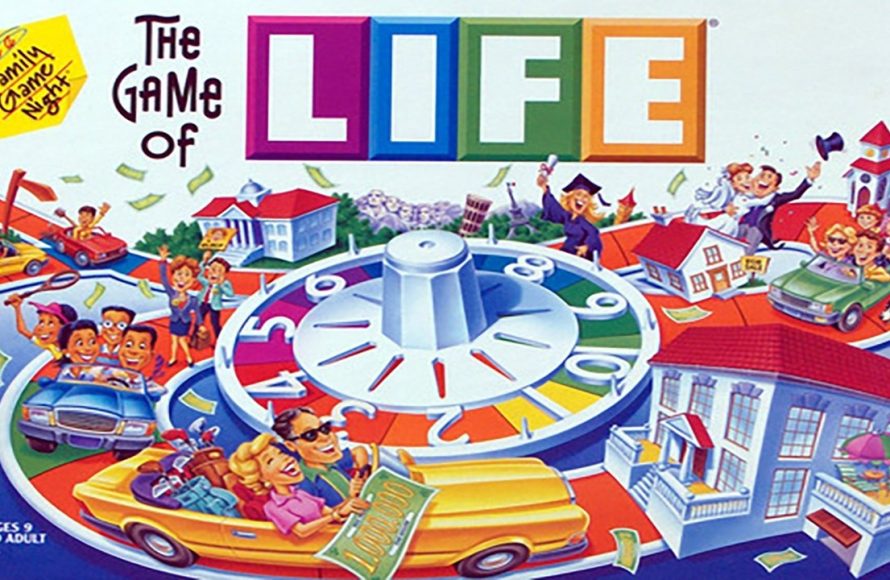
The game of life is ‘won’ by finding personal fulfillment and happiness, not by reaching a predetermined finish line.
Have you ever wondered about how to win game of life? It’s not about accumulating points or achieving some societal ideal. The real victory is in finding what truly brings you joy and pursuing it with intention.
This journey is personal, with different paths and destinations for each individual. It emphasizes growth, connection, and contribution rather than a singular, objective goal. Ultimately, winning is about creating a life you love.

How to Win the Game of Life: A Comprehensive Guide
Let’s be honest, “winning” at life isn’t about getting a trophy. It’s about creating a happy, fulfilling, and meaningful existence. It’s about feeling good about who you are and how you’re living. This can look different for everyone, but some key strategies can help anyone have a more enjoyable journey. Forget about a finish line, let’s think about playing the game well.
Understanding What “Winning” Means to You
Before we dive into the how-to, let’s talk about what “winning” even means. It’s not about having the most money or the fanciest car. Real “winning” is about finding your own version of happiness and success. This might mean different things for different people. For some, it’s about having a close-knit family. For others, it’s about making a big impact on the world. And for still others, it might be about having a peaceful and simple life. So, take some time to think about what success looks like to you. What values are most important? What makes you feel truly happy?
Defining Your Personal Success
To figure this out, ask yourself some questions. What are your biggest dreams? What are you naturally good at? What truly excites you? Write your answers down. This will be your own definition of a “good life”. And remember, this can change over time. It’s okay to adjust it as you grow and learn.
Here are some examples to get you started:
- Do you want to travel the world?
- Do you dream of helping people in your community?
- Do you long to build a business?
- Do you want to learn new skills and hobbies?
- Do you wish to live a simple and relaxing life?
Once you understand what success means to you, you can start making choices that help you reach those goals. Don’t follow what others consider success; it is important to find your own path.
Setting Goals and Creating a Plan
Okay, now you know what “winning” looks like for you. Next step? Setting goals! Goals are like signposts that help you move toward your vision. They give you direction and help you track your progress. It’s like having a map for your life’s journey. If you don’t know where you are going, you will most likely wander aimlessly.
SMART Goals
A good way to set effective goals is to use the SMART method. This stands for:
- Specific: Make sure your goal is very clear. Instead of saying “I want to be healthy,” say “I will exercise for 30 minutes three times a week.”
- Measurable: How will you know when you’ve reached your goal? “I will save $100 each month” is measurable.
- Achievable: Make sure your goals are realistic. Aim high, but not so high you get discouraged.
- Relevant: Your goals should fit with your big picture idea of “winning.”
- Time-bound: When do you want to achieve this goal by? Give it a deadline. For example, “I will learn to play a song on the guitar in three months.”
Creating a Roadmap
Once you have your SMART goals, create a roadmap. Break your big goals into smaller steps. This can make them less intimidating. For example, if your goal is to write a book, don’t just try to write a whole book at once! Instead, create a weekly target like write one chapter per week.
Write your goals down, and look at them often. This will help you stay focused. Put your plan in a place where you will see it everyday, like on your computer or on the fridge. It is also a good idea to review your plan often. If something is not working out, change your plan.
Remember, plans are not set in stone; they’re meant to guide you, but also give you the flexibility to change or adjust when necessary.
Building Strong Relationships
Humans are social creatures, and strong relationships make our lives much richer. Having friends and family who care about you is super important for a happy life. They provide support, love, and a sense of belonging. They can help you through tough times, and they are there to celebrate your wins.
Nurturing Your Connections
Here are a few things you can do to build and maintain great relationships:
- Be present: When you’re with someone, put down your phone and really listen. It makes a huge difference.
- Show you care: Do little things to let people know you appreciate them. A simple “thank you” or a thoughtful gesture can go a long way.
- Be a good friend: Be there for your friends when they need you. Offer help and support. Be trustworthy and keep promises.
- Forgive: Sometimes people make mistakes. Try to forgive others and yourself. Holding onto anger only hurts you.
- Make an effort: Don’t expect others to always reach out first. Schedule time to connect with your loved ones.
Strong relationships make life more fun and can even help you achieve your goals. It’s important to be a good friend and also choose good friends in return. A support network is important for everyone.
Taking Care of Your Well-being
Taking care of yourself is essential to “winning” at life. This includes your physical, mental, and emotional well-being. It’s like making sure your car is in good shape before going on a long trip. If you aren’t feeling good, it will be hard to enjoy life or achieve your goals.
Physical Health
Make sure you get enough sleep, exercise, and eat healthy foods. These things give you energy and keep you strong. They also boost your mood, and help you sleep better. Try to find a fun activity you enjoy, like running, swimming, or dancing. A balanced diet of fruits, vegetables, and whole grains will give you the vitamins and minerals you need to keep your body functioning well.
Mental Health
Just as important is taking care of your mind. Mental health includes managing stress, dealing with emotions, and having a positive mindset. If you’re feeling stressed, try spending time in nature, doing yoga, or talking to someone you trust. Practicing gratitude and mindfulness can also boost your mental health and reduce stress.
Emotional Health
It’s important to recognize and understand your feelings. Don’t try to ignore them. When you’re feeling sad or angry, take a moment to process it. It helps to talk about your feelings with a friend or family member. Keep a journal to keep track of your emotions. Learn to be kind to yourself, especially when you are having a bad day.
Learning and Growing Continuously
Life is a journey of constant learning. Never stop asking questions, seeking new knowledge, or trying new things. When we stop learning, we stop growing. By staying curious, you open yourself up to many new possibilities. Learning keeps your mind sharp and keeps life interesting.
Embrace New Experiences
Learning can come in many forms. Maybe you want to pick up a new hobby, learn a new language, read more books, or try new recipes. Be open to trying new things, even if they scare you a little. You might find a new passion that changes the course of your life.
Develop a Growth Mindset
It’s important to believe you can learn and improve. This is called having a growth mindset. It means seeing challenges as opportunities to learn, rather than obstacles. When things get hard, don’t give up! Think about what you can learn from the experience. Instead of thinking, “I can’t do this,” think “I can’t do this… yet!” Believe in yourself and that you can improve with practice.
Seeking Knowledge
Look for resources to help you learn new things. This can be books, websites, classes, or even people who are experts in their fields. Join clubs, attend seminars, and watch educational programs. Be a lifelong learner. The more you know, the more you grow. A great way to expand your knowledge is by reading. Find a genre that interests you and then read regularly.
Managing Your Finances Wisely
Financial health is an important part of a good life. It doesn’t mean you have to be rich, but it means you are in control of your finances and can meet your needs. Smart money management can reduce stress and give you financial freedom to do the things that are important to you. If you have control of your finances, you have more control over your life.
Budgeting
Budgeting is a tool to manage money effectively. It is very easy. A budget is simply a plan for your money. First, track where your money is going by writing down what you spend every month. Then, create a simple plan to divide your income into categories like rent, food, and transportation. Once you know where your money is going, you can make better choices about spending.
Saving
Saving money is very important for future security and goals. Try to make a habit of saving a certain amount of money each month. You can save it for emergencies, a big purchase, or for your retirement. It is very beneficial to develop the saving habit from an early age. Automatic transfers from your bank account to your savings account can be an easy way to put money away regularly.
Avoiding Debt
Debt, especially high-interest debt, can be a big burden. Try to avoid borrowing money that you do not need. Make wise decisions about spending money, and avoid impulse purchases. If you have debt, make a plan to pay it off as quickly as you can.
Giving Back and Making a Difference
One of the best ways to find fulfillment in life is by giving back to your community. Helping others can make you feel good and help make the world a better place. When you make a positive impact on the lives of others, it can boost your sense of purpose and meaning in life.
Volunteer
Find a cause that you believe in and volunteer your time. This can be anything from helping at a local food bank to cleaning up a park. Volunteering is a great way to meet new people, learn new skills, and give back to the community.
Be Kind
Sometimes just being kind to others can make a huge difference. Smile at people, hold the door open, or offer to help someone in need. Small acts of kindness can brighten someone else’s day and make you feel better too.
Contribute to a Cause
You can donate to charities or organizations that are working to make a difference in the world. It is a good idea to do some research to ensure that they are genuine organizations that use their money wisely. Even small contributions can make a positive difference.
Staying Positive and Resilient
Life can be tough sometimes. There will be challenges, setbacks, and disappointments. It’s normal to feel sad, frustrated, or discouraged. However, learning to stay positive and resilient can help you move through those tough times and achieve your goals. Being resilient means you can bounce back from hard times.
Practice Gratitude
Take time each day to appreciate the good things in your life. This can be anything from the sunrise to a kind act from a friend. Practicing gratitude can shift your focus to the positive things. You can write them down in a journal or share them with others.
Focus on Solutions
When challenges arise, focus on finding solutions rather than dwelling on the problem. Ask yourself what you can learn from the situation and how you can avoid repeating the same mistake. Be proactive and resourceful in finding solutions to challenges.
Be Kind to Yourself
Don’t be too hard on yourself when you make mistakes. Everyone makes mistakes. The important thing is to learn from them and keep moving forward. Practice self-compassion and treat yourself with kindness, especially when things are tough.
Keep Things in Perspective
Sometimes we get too caught up in one bad event and it starts to feel like our whole lives are bad. Take a step back and try to see the big picture. Ask yourself, “Will this matter in five years?” This will help you keep things in perspective and not get overwhelmed by temporary setbacks.
Winning at the game of life is a marathon, not a sprint. It’s about progress, not perfection. Embrace the journey, be kind to yourself, and enjoy the process. It is important to develop a mindset of continual learning, growth and positive thinking. When you have a mindset of abundance, positivity and resilience, it becomes easier to tackle life challenges. Don’t compare your journey with others; rather, learn to appreciate your unique journey. There is not one right way to live, but there is a best way for you to live. Make choices that are in line with your values and your vision for a good life, and celebrate each step forward.
The Game of Life and How to Play it (1925) by Florence Scovel Shinn
Final Thoughts
Focus on growth, learning continuously from mistakes and celebrating small wins. Build strong relationships, nurturing connections that provide support and joy. Prioritize your well-being, physically and mentally, because health is an important aspect.
Adaptability is must; the world changes constantly and flexibility is key. Pursue meaningful goals aligned with your values; passion provides purpose. Ultimately, to win the game of life, you must create a life of impact, one that resonates with you and contributes positively to the world.

