
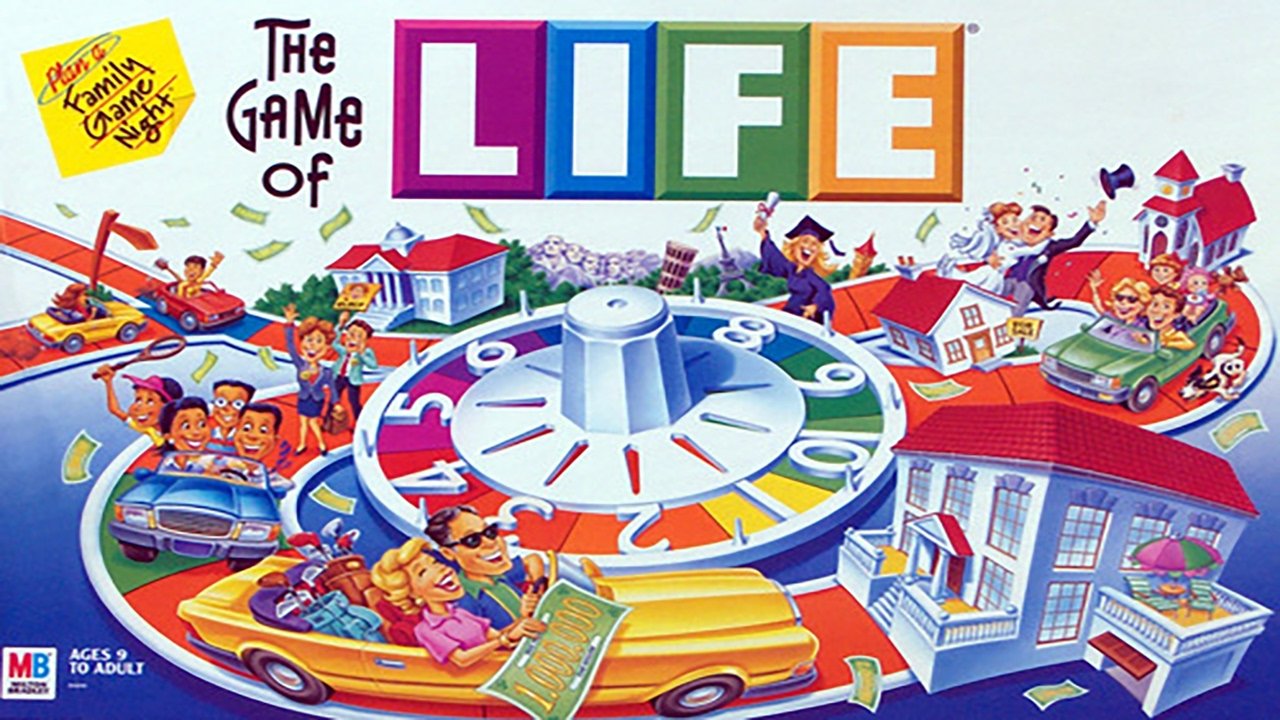
Winning in the game of life involves defining your personal values, setting meaningful goals, and consistently taking action toward them while learning from experiences.
Ever felt like you’re just playing the game of life without knowing the rules? It’s a question many of us grapple with: how to win in the game of life? It’s not about accumulating points or defeating opponents, but about something much more personal.
We all want to feel fulfilled and like we’re making progress. The path is not always straightforward; it twists and turns. This article will offer a simple, yet practical, approach to navigate this fascinating journey.

How to Win in the Game of Life
Life can feel like a big game, right? Sometimes it’s fun, sometimes it’s hard, and sometimes you just don’t know what to do next. But guess what? Just like with any game, there are ways to get better at playing. Winning in life isn’t about being the richest or the most famous. It’s about being happy, healthy, and making the most of your time. Let’s talk about some important things that can help you “win” at this game we call life.
Understanding Your Strengths
Everybody is good at something! Maybe you’re awesome at drawing, or maybe you’re a super friend. Knowing what you’re good at is like finding a cheat code for the game. When you play to your strengths, things feel easier, and you feel more confident. It’s like using the best character in a video game, you’re more likely to be successful.
How to Identify Your Strengths
- Think about what you enjoy: What do you love doing? What makes time fly by? These are clues about your strengths.
- Ask your friends and family: Sometimes, other people see your strengths even when you don’t. Ask them what they think you’re good at.
- Try new things: You won’t know what you’re good at if you don’t try. Join clubs, take classes, and see what sparks your interest.
- Keep a journal: Write down what you do each day and how it makes you feel. Look for patterns to see what activities you enjoy the most and seem to be good at.
Once you know your strengths, use them! If you’re good at talking to people, maybe you could join the debate team. If you are great at building things, try some creative project. The more you use your strengths, the better you’ll become at them, and the happier you’ll feel.
Setting Meaningful Goals
Goals are like having a destination when you’re traveling. Without a goal, you’re just wandering around. Setting goals gives you a direction and something to work towards. But not all goals are created equal. Good goals are meaningful to you, not just something someone else tells you to do. And they should be attainable, or things you can actually achieve with effort.
SMART Goals: Your Guide to Success
Think of SMART goals as a cool guide to making sure your goals are the best they can be:
- Specific: Instead of saying “I want to be healthier,” say “I want to eat one fruit or vegetable every day.” Make your goals detailed.
- Measurable: How will you know if you’ve reached your goal? If your goal is to practice basketball, make it “practice basketball three times a week for 30 minutes each time.”
- Achievable: Be realistic with your goals. Starting with small achievable steps is better than setting yourself up for failure. If you’ve never run before, don’t set a goal to run a marathon next week. Start with running around the block first.
- Relevant: Does this goal matter to you? Make sure your goals fit in with what’s really important to you.
- Time-bound: When do you want to achieve this goal? Saying “I want to improve my grades this year” is better than “I want to improve my grades.”
Breaking Down Big Goals
Big goals can feel scary, like climbing a huge mountain. But if you break them down into smaller steps, they don’t seem so hard. Think of it like a ladder, you climb step by step. For example, if you have a goal to write a book, first think about your story, then make an outline, and then focus on writing each chapter. One step at a time, and you will be surprised how much you can achieve.
Building Strong Relationships
Humans are social creatures. We need connections with others to be happy. Think of your relationships with family and friends as part of your life’s team. When you have good teammates who have your back, it makes the game so much easier and enjoyable.
How to Build and Maintain Great Relationships
- Be a good listener: When someone talks to you, really pay attention. Look them in the eye, put away your phone, and try to understand how they feel.
- Be kind and compassionate: Treat others how you’d want to be treated. Little acts of kindness can make a big difference.
- Be there for others: Show your friends and family that you care, and they can count on you. Spend time with them.
- Communicate honestly and clearly: Talk about your feelings in a respectful way, and encourage others to do the same.
- Learn to forgive: People make mistakes, and it’s important to learn to forgive them and move forward.
Having a strong support network can get you through tough times. It is like having a power-up in your game; these important relationships provide support, strength, and encouragement to help you win in the game of life.
Taking Care of Your Health
Your body is like the vehicle you use to navigate the game of life. If you don’t take care of it, it won’t perform its best. Think of health as a super tool that allows you to play with energy and focus.
Physical Health
- Eat well: Fuel your body with healthy foods like fruits, vegetables, and whole grains. Think of them as the fuel for your car. Try to avoid too many sweets and processed foods which will slow you down.
- Stay active: Get moving every day! Exercise is not just about sports, you can dance, walk the dog, play with your friends. Any activity you enjoy, which also gets you moving is great.
- Get enough sleep: Your body needs rest to recharge. Aim to get at least 8-10 hours of sleep each night. Think of sleep as a way to save your game so you have more power the next day.
Mental Health
Your brain is just as important as your body. So, take good care of your mental well-being.
- Practice mindfulness: Spend a few minutes each day to calm your mind. You can try breathing exercises, meditation, or just quietly observing nature around you.
- Express your feelings: Don’t keep your feelings bottled up inside. Talk to someone you trust, write in a journal, or be creative with your emotions.
- Manage stress: Stress is part of life, but it’s important to learn to manage it. Try listening to music, being outside, or spending time with loved ones to relieve stress.
- Be kind to yourself: Everybody makes mistakes. Don’t be too hard on yourself, instead focus on what you can learn from the experience.
Taking care of both your body and mind is like upgrading your character in the game. You will have more energy, more focus, and will enjoy life even more.
Embracing Lifelong Learning
The world is always changing, and learning new things is like getting upgrades to your game. It helps you stay current, find new opportunities, and grow as a person. Learning doesn’t stop when you leave school. Think of yourself as an adventurer who is always exploring.
How to Keep Learning Throughout Life
- Read books: Books are like windows to other worlds and minds. They can take you on adventures and teach you about different ideas.
- Take courses: There are so many online and in-person classes you can take. Learn a new language, a new skill, or dive deeper into a topic that excites you.
- Be curious: Ask questions! The more curious you are, the more you’ll learn. Don’t be afraid to ask why, how, and what if.
- Talk to different people: Connect with people of different age groups, culture, or backgrounds. They have different experiences and ideas which you can learn from.
- Try new things: When you step outside your comfort zone and try something new, you learn a lot about the world and yourself.
By embracing lifelong learning, you will be able to adapt to the game of life which is always changing and evolve into a better version of yourself.
Developing Resilience
Life is not always going to be easy. Sometimes, things don’t go as planned, and it feels like you’ve lost. But that’s okay. It’s important to develop the ability to bounce back from challenges. Think of resilience as your superpower that helps you get back up after falling.
How to Build Resilience
- Accept your feelings: It’s okay to feel sad, angry, or frustrated. Acknowledge your feelings without judgment.
- Learn from mistakes: Don’t dwell on your failures, instead try to look for a way to learn and improve. Every mistake you make is a chance to get better in the game.
- Find solutions: Instead of focusing on the problem, focus on the solution. What is the way out? How can you improve the situation?
- Stay positive: Having a positive mindset will help you keep going even when things get tough. Keep your head high and believe in yourself.
- Ask for help: It’s okay to ask for help when you need it. There are people in your life who care about you and want to help you out.
Resilience will help you move through challenges and come out even stronger. Each time you overcome difficulties, you will be building your character to be even more stronger and confident.
Practicing Gratitude
Gratitude is like finding a hidden treasure that can help you feel happier and more content. When you focus on what you have instead of what you want, you appreciate the good things in your life. It helps you to enjoy the game of life in a much better way.
How to Practice Gratitude
- Keep a gratitude journal: Every day, write down a few things you’re grateful for. It could be anything from a sunny day to a friend who makes you laugh.
- Thank others: When someone does something nice for you, let them know how much you appreciate it. A simple “thank you” can mean a lot.
- Notice the little things: Take the time to notice the beauty around you. A sunset, a kind gesture, or a delicious meal – appreciate all the small moments.
- Be present: Instead of always looking ahead, try to fully be present in each moment. Enjoy where you are and what you are doing.
Practicing gratitude helps you shift your perspective and see all the positive things in your life. You will feel more happy, more thankful, and content about your present life.
Contributing to Something Bigger Than Yourself
Winning in life is not just about yourself, but about what you give to the world. Think of it as the best way to complete the game. When you work to contribute to something bigger than yourself, it fills your life with meaning and purpose.
Ways to Give Back
- Volunteer: Give your time and talents to an organization that you care about. It could be a local animal shelter, a food bank, or any organization which makes a positive change.
- Help others: Even simple acts of kindness, like helping a neighbor carry groceries or offering support to a friend, can have a big impact.
- Be a good citizen: Follow the rules, treat others with respect, and take part in making your community better.
- Be environmentally conscious: Help protect our planet by recycling, reducing waste, and conserving resources.
By contributing to something bigger than yourself, you are making the game of life better for others. It’s about using your skills, strength, and your abilities to make a difference in the world.
Winning in the game of life is a journey, not a destination. It’s about learning, growing, connecting, and making a positive impact. It’s about being the best version of yourself, and having the courage to keep going. You have the potential to be successful. Enjoy the journey, and remember that it’s not about being perfect, but about continuing to learn and grow.
The Game of Life and How to Play it (1925) by Florence Scovel Shinn
Final Thoughts
The key to success involves continuous learning and adapting to change. You must cultivate strong relationships and prioritize your well-being. This creates a solid foundation for navigating life’s complexities.
Resilience is essential; setbacks are inevitable, but your response defines you. Embrace challenges as opportunities for growth. These experiences teach you valuable lessons.
Ultimately, how to win in the game of life centers around living with purpose and contributing positively. Focus on your values and strive for personal development. This creates a fulfilling existence.

