
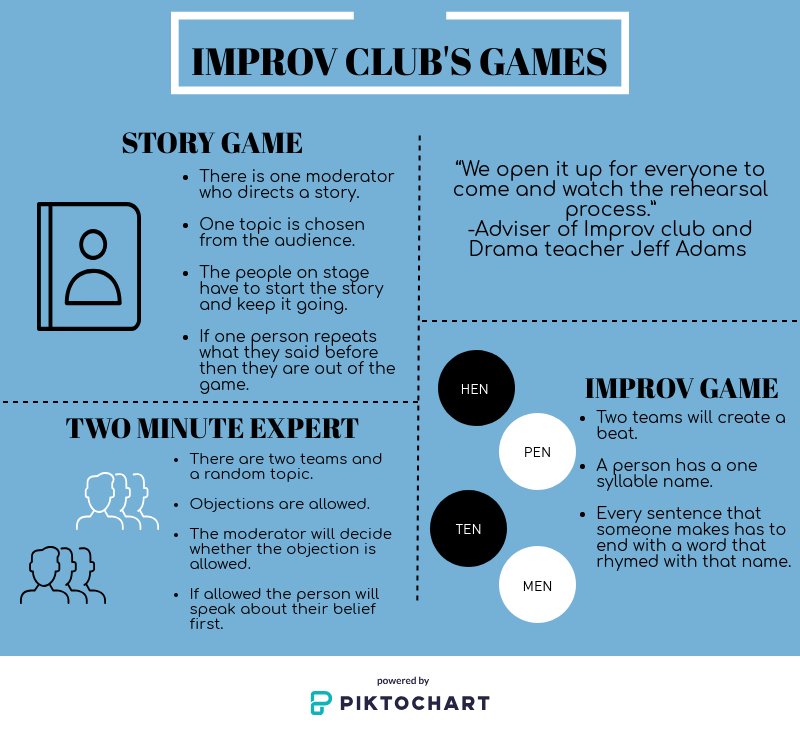
Here’s what makes improv games for beginners effective: they focus on active listening, agreement (“Yes, and…”), character development through physicality, and quick thinking in collaborative storytelling.
Want to jump into the exciting world of improv? It might seem daunting, but the best way to learn is by doing! This article is dedicated to improv games for beginners, offering simple, fun exercises that will have you building scenes and characters in no time.
We’ll break down the fundamental principles behind these games, emphasizing the importance of teamwork and letting go of your inhibitions. Get ready to laugh, learn, and create some truly memorable moments.

## Improv Games for Beginners
Improv games are a fantastic way to boost creativity and build confidence. They require quick thinking and collaboration.
They’re also surprisingly fun.
Why Play Improv Games?
Improv games offer many benefits. They’re not just for aspiring actors.
Anyone can benefit from learning improv skills.
Enhanced Communication: Improv forces you to actively listen and respond in the moment. You develop sharper communication abilities.
Boosted Confidence: Stepping outside your comfort zone builds self-assurance. Saying “yes” to the unknown can be empowering.
Improved Creativity: Improv encourages thinking on your feet and generating novel ideas. It’s a great exercise for your creative muscles.
Teamwork Skills: Many improv games require collaboration. Working with others towards a common goal strengthens teamwork abilities.
Stress Relief: Laughter is a great stress reliever. Improv games can provide a healthy dose of humor.
Essential Improv Principles
Before jumping into the games, grasp some core principles. These will greatly enhance your experience.
“Yes, and…” is the foundation of improv. Always accept your partner’s offer and build upon it.
Avoid blocking or negating what your partner says. Instead, embrace their ideas.
“Yes, and…”: This is the golden rule of improv. Accept the offer and add something new.
Make Your Partner Look Good: Focus on supporting your scene partner. Their success is your success.
Be Specific: Provide details to create a believable scene. Avoid vague statements.
Listen Actively: Pay close attention to what your partner is saying. Their words will guide your next move.
Commit Fully: Embrace the silliness and commit to your character. Don’t hold back.
Warm-Up Improv Games
Start with these simple warm-up games. They help loosen you up and get you thinking quickly.
These games are perfect for beginners. They require minimal planning and setup.
One-Word Story
This game builds a narrative one word at a time. It requires close listening and quick association.
How to Play: Players stand in a circle. Each person adds one word to create a story. The goal is to create a coherent narrative.
Key Skill: Active listening and building on others’ ideas. It fosters collaboration and spontaneous storytelling.
Sound Ball
Sound Ball focuses on vocal expression and passing energy. It’s a fun way to get comfortable with sound.
How to Play: Players stand in a circle. One person starts by making a sound and “throws” it to another player. The receiver must change the sound slightly and pass it on.
Key Skill: Vocal expression, listening, and adapting to changes. It helps build confidence in using your voice.
Zip, Zap, Zop
This energy-passing game improves focus and reaction time. It requires clear communication and quick thinking.
How to Play: Players stand in a circle. One person starts by saying “Zip” and pointing to another player. That player then says “Zap” and points to someone else. The third player says “Zop” and points to another player. The pattern continues, with players passing the energy quickly.
Key Skill: Focus, reaction time, and clear communication. It helps build awareness and responsiveness.
Scene-Based Improv Games
These games involve creating short scenes. They encourage character development and storytelling.
Focus on the “Yes, and…” principle. This will help you build engaging scenes.
Scene in a Hat
This game encourages quick thinking and diverse character work. It provides a starting point for each scene.
How to Play: Write scene prompts on pieces of paper and put them in a hat. Players draw a prompt and create a scene based on it. Prompts might include: “Two astronauts arguing over who gets the last donut,” or “A dog and a cat running a business.”
Key Skill: Spontaneity, character development, and adapting to unexpected scenarios. It also encourages quick decision-making.
Emotional Symphony
Emotional Symphony focuses on exploring a range of emotions. It encourages players to express themselves physically and vocally.
How to Play: A conductor directs players to portray different emotions through sound and movement. The conductor can change the intensity and combine emotions.
Key Skill: Emotional expression, physical awareness, and responding to direction. It helps players connect with their emotions.
Expert’s Interview
This game emphasizes quick thinking and character creation. It requires players to think on their feet and improvise answers.
How to Play: One player is interviewed as an “expert” on a ridiculous topic. The other players ask questions, and the expert must answer them truthfully and in character.
Key Skill: Character development, improvisation, and thinking quickly under pressure. It also encourages creative storytelling.
Party Quirks
Party Quirks focuses on unique character traits. It promotes observation and deduction.
How to Play: One player is the host of a party. The other players are guests with secret quirks. The host must guess the quirks of each guest.
Key Skill: Character development, observation, and comedic timing. It helps players create memorable characters.
Advanced Improv Games (Moving Beyond the Basics)
Once comfortable with the beginner games, explore these more challenging options. They build on existing skills.
These games require more complex thinking. They encourage risk-taking and pushing boundaries.
Harold
The Harold is a longer-form improv structure. It combines various scenes, games, and monologues.
How to Play: The Harold typically starts with a suggestion from the audience. The players then perform a series of scenes and games inspired by that suggestion. The scenes are often interwoven and revisited throughout the performance.
Key Skill: Long-form storytelling, connecting disparate ideas, and sustained character work. It helps build a cohesive narrative.
Living Scenery
Living Scenery utilizes players as props and set pieces. It requires physical creativity and teamwork.
How to Play: Two players are in a scene, and the other players act as the scenery. The actors can interact with the living scenery, and the scenery can react to the actors.
Key Skill: Physical awareness, creativity, and teamwork. It helps players think outside the box and use their bodies in innovative ways.
Object Work
Object Work focuses on creating imaginary objects. It encourages creative use of space and physical expression.
How to Play: Players create scenes using only mimed objects. They must convincingly portray the size, weight, and texture of the objects.
Key Skill: Physical expression, imagination, and attention to detail. It helps players create believable environments.
Tips for Success in Improv
Keep these tips in mind to maximize your improv experience. Consistent practice leads to improvement.
Remember to have fun. Improv is all about embracing the unexpected.
Embrace Failure: Don’t be afraid to make mistakes. Failure is a learning opportunity.
Listen Carefully: Active listening is crucial for successful improv. Pay attention to your partner’s offers.
Commit Fully: Fully commit to your character and the scene. Don’t hold back.
Support Your Partner: Make your partner look good. Their success is your success.
Stay Present: Focus on the moment. Don’t get caught up in planning ahead.
Finding Improv Classes and Workshops
Consider taking a class to further your improv skills. Many resources are available.
Local theaters and comedy clubs often offer classes. Online resources are also available.
Local Theaters: Many local theaters offer improv classes. These classes provide structured learning environments.
Comedy Clubs: Comedy clubs often host improv workshops. These workshops focus on comedic techniques.
Online Resources: Many online resources are available for learning improv. These resources include videos, tutorials, and online classes.
Adapting Improv Games for Different Group Sizes
Many improv games can be adapted for different group sizes. Adjustments may be needed.
Consider the dynamics of the group. Some games work better with smaller groups.
Small Groups (2-4 people)
Focus on games that require close collaboration. These games encourage intimate interactions.
Suggested Games: Scene in a Hat, Expert’s Interview, Two-Person Scene. These games thrive with focused interaction.
Medium Groups (5-10 people)
Choose games that allow for varied participation. Ensure everyone gets a chance to contribute.
Suggested Games: Party Quirks, Emotional Symphony, One-Word Story. These games balance individual contribution with group dynamics.
Large Groups (10+ people)
Select games that involve the entire group. These games promote collective energy.
Suggested Games: Zip, Zap, Zop, Sound Ball, Living Scenery. These games benefit from the energy of a larger group.
Modifying Improv Games for Different Skill Levels
Adapt the games to suit the experience of the players. Start with simpler variations.
Gradually increase the complexity as skills improve. This will help players progress at their own pace.
Beginner Modifications
Simplify the rules and provide clear instructions. Focus on the core principles of improv.
Simplified Rules: Remove complex rules or restrictions. Focus on “Yes, and…” and active listening.
Clear Instructions: Provide detailed instructions and examples. Ensure everyone understands the game.
Supportive Feedback: Offer positive and constructive feedback. Encourage experimentation.
Advanced Modifications
Add challenges and restrictions. Encourage risk-taking and creativity.
Added Challenges: Introduce new constraints or limitations. Force players to think outside the box.
Increased Complexity: Combine multiple games or elements. Create more intricate scenarios.
Experimentation: Encourage players to try new things and push their boundaries. Promote innovation.
Common Mistakes to Avoid in Improv
Be aware of common pitfalls. Avoiding these mistakes will improve your performance.
Practice and awareness are key. Recognize and correct errors as they arise.
Blocking: Avoid negating your partner’s offers. Always say “Yes, and…”
Asking Questions: Don’t rely on questions to drive the scene. Make statements and take action.
Planning Ahead: Stay present in the moment. Don’t try to control the scene.
Breaking Character: Stay in character unless there’s a good reason to break. Maintain the illusion.
Being Unsupportive: Focus on making your partner look good. Support their ideas.
The Importance of “Yes, and…”
This principle is the cornerstone of improv. Master it to improve your skills.
It fosters collaboration and builds engaging scenes. Embracing this principle is essential.
Acceptance: Acknowledge and accept your partner’s offer. Don’t dismiss their ideas.
Building: Add something new to the scene. Don’t just repeat what your partner said.
Collaboration: Work together to create a cohesive narrative. Support each other’s ideas.
Using Improv Games for Team Building
Improv games can be valuable for team building. They foster collaboration and communication.
They also improve problem-solving skills. Many businesses utilize improv for training.
Communication: Improv games require active listening and clear communication. They improve team communication skills.
Collaboration: Many improv games require teamwork. They foster a collaborative environment.
Problem-Solving: Improv games encourage creative problem-solving. They help teams find solutions to unexpected challenges.
Trust: Improv games build trust among team members. They create a safe space for experimentation.
Creativity: Improv games stimulate creativity and innovation. They encourage thinking outside the box.
Improv | Yes, and…
Final Thoughts
Improv games for beginners offer a fun way to learn essential skills. These activities build confidence and spontaneity. Practice active listening and quick thinking through simple exercises.
Start with games like “Yes, and…” to encourage agreement. “One-Word Story” fosters collaboration and creativity. These are valuable starting points for new improvisers.
Therefore, improv games for beginners are excellent tools for developing performance abilities and fostering teamwork. These games must be part of early improv training. Embrace the laughter and growth that come with improv games for beginners!

