
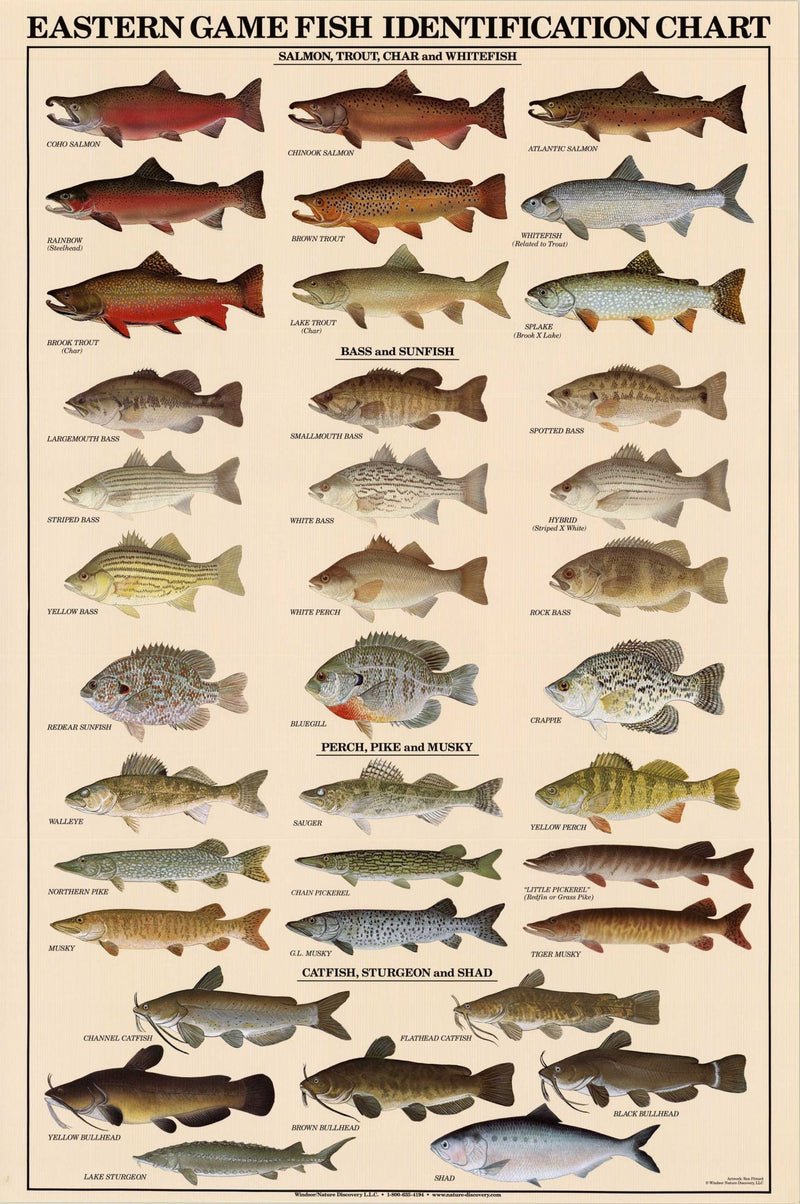
Yes, many anglers consider catfish a game fish due to their fighting ability when hooked, and the varied techniques used to catch them.
Have you ever felt the tug of a powerful fish on your line? That exciting feeling often leads to the question: is catfish a game fish? The answer might surprise some. Many anglers pursue catfish with the same dedication as other traditional game species.
Catfish offer a challenging fight, pulling hard and testing an angler’s skills. Different techniques like bottom fishing and bait selection enhance the experience. This makes catfishing a rewarding and entertaining pursuit, thus earning them the title of a game fish.

Is Catfish a Game Fish?
The question of whether a catfish is a “game fish” is one that sparks a lot of debate among anglers. It’s not as straightforward as asking if a bass or trout is a game fish. With catfish, things get a bit more interesting because their role in the fishing world is varied. To really figure it out, let’s dive into what makes a fish a “game fish” and then see how catfish measure up. We will explore their fighting ability, the methods used to catch them, and how different anglers view them.
Defining a Game Fish
Before we can decide if a catfish is a game fish, we need to understand what that term means. Generally, a “game fish” is a fish species that is pursued for sport. These fish often possess traits that make them exciting to catch. Here are some key characteristics typically associated with game fish:
- Fighting Ability: Game fish tend to put up a good fight when hooked. They might jump, run, or use their strength to try and get away. This makes the catch more challenging and thrilling for the angler.
- Desirability: Game fish are often sought after for their size, appearance, or the challenge they present.
- Sporting Methods: Anglers usually employ specific techniques like casting lures, using artificial flies, or employing specific tackle designed for game fish species when targeting them.
- Regulations: Game fish are often subject to fishing regulations, like size limits, catch-and-release rules, or seasonal restrictions to help protect populations.
These characteristics help separate game fish from species primarily caught for food or commercially.
Catfish: The Diverse Family
Catfish aren’t a single type of fish; they’re a very diverse family with many different species living in different places. This variety plays a huge role in how they are viewed by anglers.
Common Types of Catfish
Let’s look at some of the more well known catfish species:
- Channel Catfish: These are among the most common in North America. They have a forked tail and are known for their good flavor, but also provide a decent fight when hooked.
- Blue Catfish: These are the giants of the catfish world, often reaching enormous sizes. Their strength is very well known by anglers who target them.
- Flathead Catfish: Flatheads are known as ambush predators, meaning they hide and wait for food to come close. Their power and tendency to stay near cover can make them challenging to catch.
- Bullhead Catfish: Bullheads are smaller than the other types and tend to live in muddy waters. They may not be considered great fighters, but can still be fun for beginners.
Catfish Habitat
Where catfish live also influences how people fish for them. Channel catfish can be found in rivers, lakes, and ponds, while flatheads prefer deep, slow-moving rivers. Blues prefer large river systems and reservoirs. This means the techniques used to catch them will vary based on the specific type and location.
Catfish and the “Fight” Factor
One of the key elements of a game fish is the fight it puts up. So, how does the catfish perform in this category? Well, it depends on the species.
Channel Catfish Fight
Channel catfish often give a respectable fight, especially when they are larger. They’ll use their strength to pull and can make a decent run. While they might not leap out of the water like some other species, they still provide a fun challenge for anglers of all levels.
Blue Catfish Fight
Blue catfish are considered among the strongest freshwater fish. They’re known for their impressive runs and the sheer power they demonstrate on the line. Catching a big blue is an experience that many anglers consider a real test of their skill and gear. These fish often get the nod as a game fish because of their raw fighting strength.
Flathead Catfish Fight
Flatheads are like the heavyweights of the catfish world. They often hide near structures, and when hooked, they will try to use their powerful bodies to go back to cover. Their fight is more of a “tug-of-war”, testing an angler’s patience and the strength of their line. They often use their size and weight to their advantage.
Bullhead Catfish Fight
Compared to other catfish species, bullheads are not known for their fighting ability. They are often caught by new or inexperienced anglers and are mainly pursued for food, not necessarily sport. They can provide beginner level experience, but they do not compare to the larger catfish species.
Fishing Methods for Catfish
Another way to gauge whether catfish are game fish is by looking at the methods anglers use to catch them. The methods are a part of what makes fishing for a specific type of fish fun and unique.
Bait Fishing for Catfish
One of the most common ways to catch catfish is by using bait. Some popular bait options include:
- Nightcrawlers (Earthworms): Always a great go-to bait for channel catfish.
- Cut bait: Pieces of fish such as shad or herring, are preferred for bigger species such as blue and flathead catfish.
- Prepared baits: There are numerous types of commercial “stink baits” that are known for attracting catfish.
- Live bait: Small fish or crawfish can be effective for bigger predatory catfish.
These baits can be fished in a number of ways such as bottom fishing, using bobbers, or even drifting in a boat. The important thing is to put your bait in an area where catfish will be searching for food.
Lure Fishing for Catfish
While many catfish anglers prefer to use bait, it is also possible to catch them using artificial lures. Lures used might include:
- Jigs: Lead or soft plastic jigs fished around structure can entice strikes from catfish.
- Crankbaits: These can be effective in areas where catfish are actively feeding.
- Spinnerbaits: These create flash and vibration, drawing attention from predatory catfish.
Using lures adds another layer of skill to catfish fishing. An angler must use the correct technique to make the lure look like a natural baitfish. In the right hands this can be an effective method to pursue catfish.
Specialty Catfishing Techniques
There are a number of specialized techniques some catfish anglers employ. These unique approaches may include:
- Noodling: Noodling is catching catfish by hand under water, usually within hollow logs or holes. It is a popular but highly dangerous method, often seen in the southern parts of the United States.
- Jug Fishing: Jugs with baited hooks are set up, and left to float freely on the water. This method is also used for species like blue catfish.
- Drift Fishing: Anglers drift in boats using baits and lures to cover lots of water, searching for active fish. This can be a successful way to target different species of catfish in large reservoirs.
The Angler’s Perspective
Ultimately, the view of whether a catfish is a game fish often comes down to the individual angler’s perspective.
The Sport Fisherman’s View
Anglers who are mostly interested in the “fight” often see the larger catfish species such as blue and flatheads as a great game fish. These fish are known to give a great test of skill and strength and provide very rewarding catches. They may use a variety of techniques, such as fishing with lures and using specific fishing equipment. Anglers who focus on sport may release fish to help the population and to provide other anglers with the same experience.
The “Meat Hunter’s” Perspective
For those who are mainly interested in keeping fish for the table, any type of catfish can be considered a worthwhile catch. Anglers in this group may fish with simpler techniques such as bait fishing and may use less expensive fishing gear. For them, the main purpose is to provide a meal. They often view catfish as a tasty fish with value.
The Recreational Angler’s View
For recreational anglers, catfish are often seen as an accessible and enjoyable fish. They are typically easy to catch and can be found in many bodies of water. They are a great fish for beginners and can provide hours of fun for all skill levels. This approach is about fun and relaxing, rather than just the “fight” or the food.
Conservation and Management of Catfish
Even if some people don’t consider catfish a “game fish,” it is important to remember that many fisheries managers do regulate them. These regulations are created to help keep catfish populations healthy. Here are some methods often used:
Size and Bag Limits
Many states have size limits for certain types of catfish to protect the larger, mature fish. This helps ensure that they are able to reproduce. There are also “bag limits”, or restrictions on the number of fish you are allowed to keep on any particular day. These help to prevent overfishing.
Seasonal Restrictions
Some places might have certain times of the year when you cannot fish for catfish. This can be to protect them during their spawning times, allowing them to reproduce successfully.
Habitat Protection
Managers may also work to protect catfish habitats by improving water quality, and making sure their spawning areas are safe from harm. This helps make sure the fish have places to live and continue to thrive.
The Role of Catfish in the Ecosystem
Beyond just being a fish that people like to catch, catfish play a role in the ecosystem. They are important parts of the food chain and they are also indicators of water quality. Understanding their role in the natural world can help to promote their preservation.
Predators and Prey
Larger catfish, especially flathead and blue catfish, are predators, meaning they hunt other fish and invertebrates. They help to control populations of smaller fish. Smaller catfish, in turn, serve as food for larger animals, such as birds, reptiles, and mammals. This balance is important for a healthy and thriving ecosystem.
Indicators of Water Quality
Catfish can be quite sensitive to poor water quality, so the overall health and population of catfish in a lake or river can often show signs of pollution. Their presence helps researchers to monitor waterways and make sure that the ecosystem stays healthy and balanced.
The Importance of Conservation
Regardless of how you look at them – as a game fish or as a meal – protecting catfish populations is very important. By following fishing regulations and supporting habitat preservation, we can make sure that catfish can continue to thrive for many years to come.
So, is a catfish a game fish? The answer seems to be, it depends! While they might not be the same kind of leaping, high-flying fish that most would consider a textbook “game fish,” there is no denying that catfish fishing offers challenges, fun, and reward. Catfish can provide exciting angling experiences and the fact that they are regulated for conservation speaks to their importance in the fishing community. They have a special place in many anglers’ hearts for many different reasons. Whether you’re looking for a hard fight, a tasty meal, or just a great day on the water, there is probably a catfish out there for you!
LOCH NESS CATFISH 😱 #fishing #silure #shorts
Final Thoughts
Catfish certainly present a fun challenge for anglers. They are strong fighters and many people enjoy catching them. Their size and bottom-dwelling habits make them unique target.
Therefore, concluding, catfish angling provides a great recreational experience. Whether for sport or food, many anglers consider them a prize catch. Ultimately, is catfish a game fish depends on the angler’s definition.

