
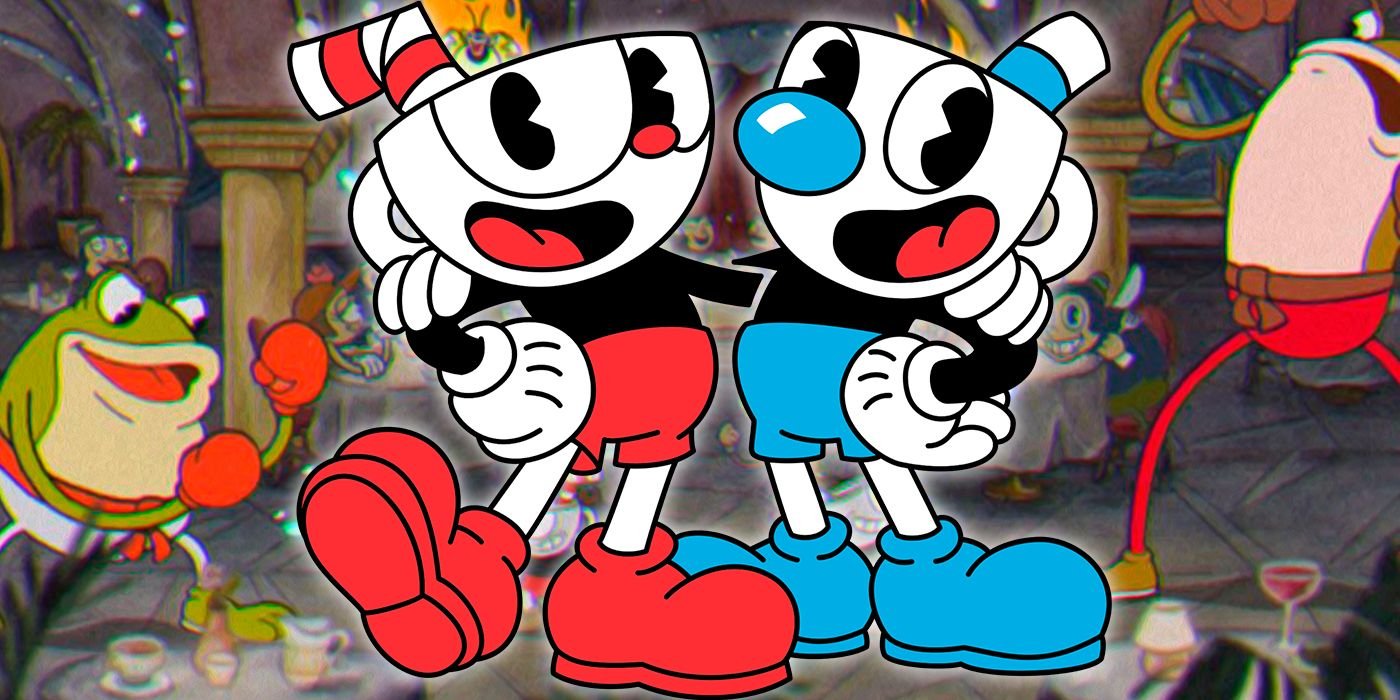
Yes, Cuphead is widely considered an indie game, developed and published by Studio MDHR, an independent studio.
The debate around what truly defines an indie game often sparks interesting conversations. One game that frequently pops up in this discussion is Cuphead. Many people wonder, is cuphead a indie game? Its unique visual style and challenging gameplay certainly stand out.
Studio MDHR, the team behind Cuphead, operated independently, without major publisher backing which is a key feature of indie development. This independence greatly influences how games like this are made, and marketed to the gamers.

Is Cuphead an Indie Game?
Let’s dive deep into the world of Cuphead and figure out if it fits the description of an indie game. It’s a question many people have, and there’s a lot to explore when we think about what makes a game “indie” anyway. Cuphead, with its striking 1930s cartoon style and challenging gameplay, definitely stands out. But does that make it an indie game? Let’s investigate!
What Exactly Makes a Game “Indie”?
Before we can decide if Cuphead is indie, we need to know what the term even means. “Indie game” is short for “independent video game.” This usually means that a game is made by a developer, or a team, who are not connected to a big-name publisher. Think of it like a small bakery making delicious treats compared to a massive factory churning out cookies. Indie games often have more creative freedom because they’re not tied to a big company’s demands or money. Here are some key things that often define an indie game:
- Small Development Team: Usually, indie games have small teams, sometimes just one or two people, or a small group of friends.
- Self-Funded or Small Budget: Indie games often begin with small budgets and depend on personal savings, crowdfunding, or small investments. They don’t have large corporate budgets.
- Creative Freedom: Because they’re not controlled by a big publisher, indie game developers often take more creative risks. This leads to unique and innovative gameplay and artistic styles.
- Unique Vision: Indie games often showcase the personal passion and vision of their developers. They are made with a lot of love and care.
- Independent Distribution: Many indie games are distributed directly by the developers or via online platforms such as Steam, GOG, or Itch.io.
Cuphead’s Development Story: The Foundation of Indie
The story of Cuphead’s creation fits many of the criteria for an indie game. The game was brought to life by Studio MDHR, a company created by two brothers, Chad and Jared Moldenhauer, along with a small group of talented people. They had a very specific vision of making a game that felt and looked like the old cartoons they loved, they worked very hard and put in lot of time and efforts.
The Humble Beginnings
The Moldenhauer brothers were not working for a large gaming corporation or had any big investors to back them when they began work on Cuphead. They worked on the game part-time while holding down other jobs. This was truly a passion project for them. The initial work on Cuphead started way back in 2010.
A Labor of Love
The development of Cuphead was a true labor of love. The team hand-drew every single frame of animation, giving the game its unique, old-fashioned cartoon feel. That took a very long time and they poured all their passion into the work.
The level of dedication to the project shows clearly the passion and independent spirit that is often associated with indie game development.
The team took inspiration from 1930’s cartoons, such as the work of Disney and Fleischer Studios. If you compare Cuphead with any game, you will find it very different and unique from all other games.
Funding the Dream: The Budget Behind Cuphead
One of the strong points for qualifying an indie game is the source of funding. Did the game get backing from big investors or did it start with a small budget?
The Initial Budget
Cuphead’s development started with a small budget. The initial funds came primarily from the Moldenhauer brothers’ own savings and small personal loans. They did not have the huge amount of funds that big gaming companies often have.
No Big Publisher Involvement
Studio MDHR did not work with a major video game publisher for the early stages of development. This allowed them full creative control, a key hallmark of indie games.
Later, after having demonstrated a solid prototype, Studio MDHR partnered with Microsoft who provided funding and support for their game. They got help in terms of game development and resources, but the creative control still remained with Studio MDHR. This is also why Cuphead was first exclusively available on Xbox and Windows platforms.
Creative Freedom and Cuphead’s Unique Style
Indie games are often known for their unique style, and Cuphead fits this description perfectly. The game looks like no other, and this comes from the total creative freedom the developers had.
The 1930s Cartoon Aesthetic
The game’s hand-drawn animation is the biggest proof of the developers’ creative freedom. They wanted to make a game that captured the look of 1930’s classic cartoons. This look required them to draw every character, every animation frame by hand, which was a long and difficult process, and no company will ever do that without a clear profit in mind. This is a clear example of an Indie game.
Challenging Gameplay
Cuphead is known for its tough boss battles. It requires a lot of concentration and a lot of time to win against a boss. This level of difficulty, while not for everyone, is a conscious creative decision by the developers. They wanted to create a game that was both beautiful and very challenging.
Original Music
The game’s jazz-inspired soundtrack also adds to its unique feel. It is not like any other game’s soundtrack, and it complements the animation style perfectly. The unique music is another example of the creativity that is often seen in indie games.
Independent Distribution: Getting Cuphead to Players
How a game reaches its players is also a factor when deciding if it is indie or not. Indie games usually have different distribution paths than games produced by larger companies.
Early Exclusive Release
Initially, Cuphead was launched exclusively on the Xbox One and Windows platforms through the Microsoft store. This was due to the partnership between Studio MDHR and Microsoft.
Expanding to Other Platforms
After a period of exclusivity, Cuphead became available on other platforms, including Nintendo Switch, PlayStation 4, and macOS. This helped the game reach a wider audience.
Online Distribution
Like most indie games, Cuphead is sold digitally through online platforms such as Steam and GOG. This is a common approach for indie games, allowing developers to keep a larger share of the profit.
Comparing Cuphead to Other Indie Games
Let’s compare Cuphead to other games that are commonly seen as indie games. This will help us see how it fits in the wider indie game scene. Here’s a simple table to understand better:
| Feature | Cuphead | Undertale | Stardew Valley | Hollow Knight |
|---|---|---|---|---|
| Development Team | Small team (Studio MDHR) | One person (Toby Fox) | One person (Eric Barone) | Small team (Team Cherry) |
| Initial Funding | Personal savings/loans, later Microsoft support | Crowdfunding | Personal savings | Crowdfunding |
| Creative Control | High | Very High | Very High | High |
| Unique Style | 1930s cartoon, boss rush | Retro, quirky RPG | Pixel art, farming | Metroidvania, hand drawn art |
| Distribution | Digital platforms (Initially Xbox/PC) | Digital platforms | Digital platforms | Digital platforms |
As you can see, Cuphead shares several things in common with other indie games. It had a small team, started with a small budget, and showed a unique style.
Is Cuphead’s Success a Barrier to Being Indie?
Cuphead became very popular. This means it has made a lot of money, but does that stop it from being an indie game? The short answer is no.
Success Doesn’t Change the Origins
Even though Cuphead is successful, it doesn’t change the fact that it started as a small project by a small team. The spirit of indie development remains in its roots.
Indie Games Can Be Popular
Many indie games become popular. Games such as Minecraft, Undertale, and Stardew Valley are all examples of popular indie games. Success does not take away from the ‘indie’ nature.
The most important thing that decides the Indie nature is the development process, which Cuphead has clearly followed.
The Impact of Cuphead on the Indie Scene
Cuphead had a big impact on the indie scene. It showed that a small team with a unique vision could make a big splash in the gaming world.
Inspiring Other Developers
Cuphead’s popularity has inspired many other independent developers to take more creative risks with their projects. It demonstrated that different style and gameplay are not necessarily harmful, and are sometimes better than a regular game.
Proving the Power of Art Style
The game’s success also proved that unique art styles can be a very big draw for players. The 1930s aesthetic, hand-drawn animation helped the game be recognized and appreciated.
The game showed that games don’t necessarily need big budgets and famous studios to be successful. It proved that quality is the most important thing, and Cuphead made it clearly visible through its amazing design and gameplay.
Sorry #cuphead but I don't think you count as Indie horror [Indie games animation] #sfm
Final Thoughts
Cuphead’s development involved a small team and self-funding, typical of indie projects. Its distinct art style and challenging gameplay also point towards independent creation. The game stands apart from typical big-budget releases.
Therefore, considering its origins and production, we can confidently say, is cuphead a indie game. It embodies key characteristics of the indie game scene with its unique vision and execution. It’s a powerful example of successful indie game development.

