
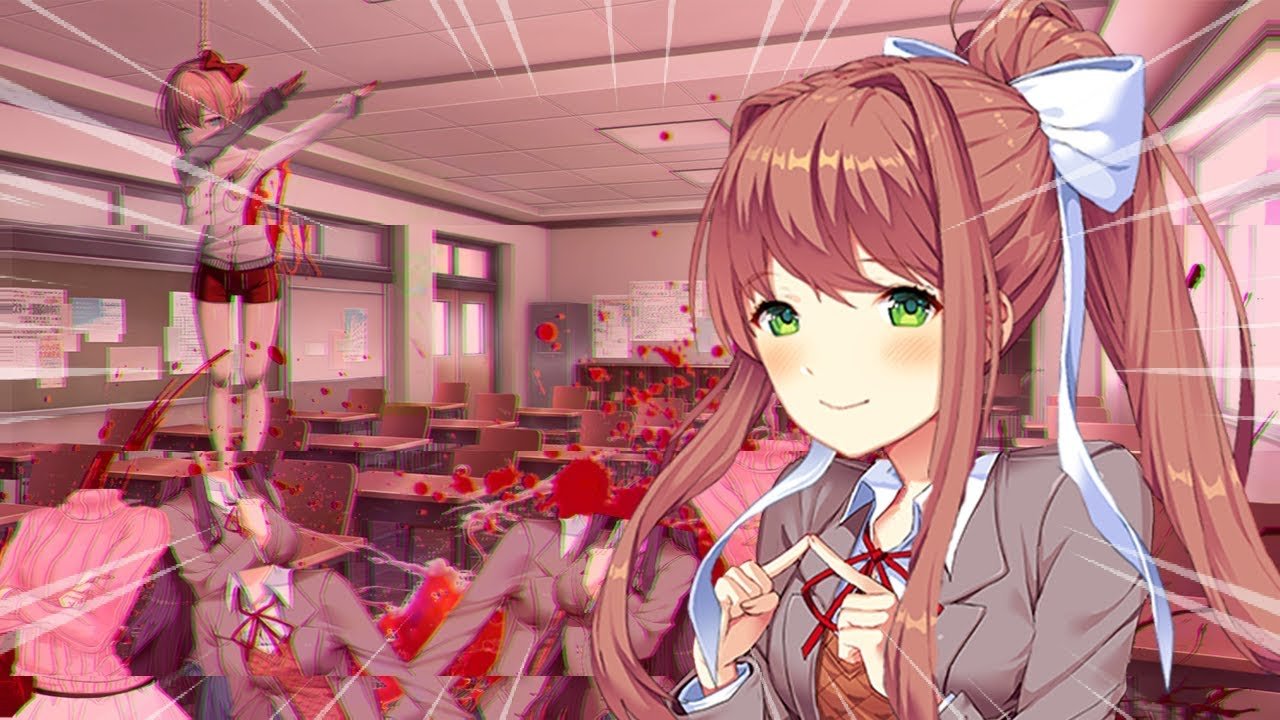
Yes, DDLC is a horror game, though it cleverly disguises its true nature initially.
Many players initially believe is ddlc a horror game is just a cute dating sim, but its disturbing themes and fourth-wall breaks quickly reveal otherwise. It uses psychological horror to deeply unsettle the player, moving beyond typical jump scares. The game explores darker aspects of the genre very effectively, giving it a unique and chilling impact. The shift from pleasant to terrifying is truly remarkable.

Is DDLC a Horror Game? A Deep Dive into Doki Doki Literature Club’s Genre
The question of whether Doki Doki Literature Club (often shortened to DDLC) is a horror game is something many players wrestle with. It looks like a cute dating simulator at first, with bright colors, charming anime girls, and a focus on poetry and friendship. However, beneath that sweet exterior lies something much darker. It’s not your typical jump-scare horror; instead, DDLC plays with your mind, using psychological horror tactics that stay with you long after you’ve stopped playing. Let’s break down why so many people call this game a horror experience, and explore the different ways it delivers its scares.
The Bait and Switch: Deceptive Beginnings
DDLC starts off feeling like a lighthearted visual novel, a genre known for its romance and slice-of-life themes. You, the player, join a literature club at your high school, where you meet four adorable girls: Sayori, the energetic childhood friend; Natsuki, the feisty manga lover; Yuri, the shy and bookish intellectual; and Monika, the popular club president. The game gives you the usual choices you might expect, like picking who you want to spend time with and writing poems to appeal to their tastes. This creates a sense of comfort and predictability, lulling you into a false sense of security. It’s designed to make you care about these characters and their stories, which makes what happens later all the more impactful.
Visuals and Sound: Setting the Stage
Initially, DDLC’s art style is bright, colorful, and appealing. The girls are drawn in a classic anime style, with large eyes and expressive faces. The music is cheerful and upbeat, contributing to the overall happy atmosphere. This creates a sharp contrast to the disturbing elements that are introduced later. The shift in tone is amplified by changes to the visuals and sound – glitches in the text, distorted character sprites, and unsettling music that replaces the initial cheery melodies. These changes aren’t just scary, they are designed to feel like something is breaking within the game’s world, putting you as a player on edge.
Psychological Horror: The Heart of DDLC’s Scares
Rather than relying on jump scares, DDLC uses psychological horror to build tension and create a deep sense of unease. Here are the primary ways the game achieves this:
- Unreliable Narrator: The game slowly reveals that the seemingly normal world is not what it seems. Characters behave strangely, breaking the fourth wall and directly addressing you, the player. The stability of the world itself starts to crumble, making you question what is real and what isn’t.
- Character Manipulation: You might start to notice that the characters’ behaviors become increasingly erratic and concerning. They express deep-seated insecurities and fears, and these emotions escalate, eventually leading to violent or upsetting outcomes. These behaviors are not natural, and the sense of manipulation makes the story even more unsettling.
- Playing With Expectations: The game subverts the common expectations of a dating simulator. Instead of happy endings and romantic relationships, DDLC throws curveballs that challenge player expectations. This unpredictability makes it hard to feel safe within the game’s world and keeps you guessing at every turn.
- Existential Dread: DDLC delves into themes of free will, choice, and the nature of reality. It challenges the player to think about their role in the game and the very nature of the gaming experience itself. This leads to feelings of existential dread, an uncomfortable awareness of the artificial nature of the world and the limitations of the player’s control.
These elements combine to create an experience that is genuinely disturbing, not because of monsters or gore, but because of its ability to get into your head. This is what sets DDLC apart from traditional horror games and makes it feel so unique.
The Fourth Wall and Meta-Horror
A huge part of what makes DDLC a horror game is its deliberate shattering of the fourth wall – the imaginary barrier between the player and the game’s world. It’s not just that characters acknowledge you, the player; they know you are playing a game, they manipulate the game’s files, and their behavior goes beyond the confines of typical visual novel character tropes. This meta-narrative element blurs the lines between reality and fiction, making the game experience far more impactful.
Breaking the Fourth Wall
Here are some examples of how DDLC breaks the fourth wall:
- Character Awareness: The characters, most notably Monika, are aware they are in a game and that you are playing it. They address you directly and express frustration with their situation.
- Game File Manipulation: As the story progresses, the game will modify or delete files from your game folder. This directly impacts the game’s narrative and can make you feel like you are part of the story, not just an observer.
- Text and Visual Glitches: The game frequently uses visual and text glitches to highlight how unstable the game world is, and to break down any sense of immersion. These glitches further contribute to the game’s horror atmosphere.
These instances of fourth-wall breaking pull you deeper into the game and make you a more active participant in the horror. You are not just watching a story unfold, you are experiencing it, and are part of the process.
Specific Examples of Horror Elements in DDLC
Let’s delve into some of the specific moments that solidify DDLC as a horror game:
Sayori’s Descent
Sayori, the cheerful childhood friend, is one of the first characters the game begins to show that there is something terribly wrong. Her cheerful demeanor hides deep depression, and her struggle with her mental health becomes a key plot point. Sayori’s eventual fate is shocking and disturbing, and serves as a major turning point in the game, making the player realize that DDLC is not at all what it seemed to be.
Yuri’s Obsession
As the game goes on, Yuri’s character takes a dark turn. Her obsession with the protagonist becomes unhealthy, leading to self-harm and erratic behavior. These moments are not only graphic but also deeply upsetting, showing the psychological damage inflicted upon the characters. The game doesn’t shy away from showing the dark side of obsession and mental illness, making it a tough experience for many players.
Monika’s Manipulation
Monika, the club president, is revealed to be the orchestrator of many of the game’s disturbing events. Her manipulation of the other characters and the game world is calculated and unsettling. She breaks the fourth wall to talk to you, expresses her desire to be with you, the real player, and even tries to delete the other characters to achieve that end. This makes her character a truly terrifying presence, not because of violence, but because of her self-awareness and single-minded obsession.
Why DDLC Resonates as Horror
While DDLC might not have all the classic elements of a typical horror game (like monsters and jump scares), it effectively uses psychological horror techniques to create an unforgettable and disturbing experience. The fact that the horror comes from the characters’ emotional turmoil and the game’s manipulation of the player makes the experience far more personal and impactful. Here’s a summary of why DDLC works so well as a horror game:
- Emotional Investment: The game gets you emotionally invested in the characters before it throws the twists at you, making the horror more effective.
- Subversion of Expectations: It plays on the expectations of the dating simulator genre, making the unexpected horrors more unsettling.
- Psychological Impact: The horror comes from manipulation, existential dread, and mental health issues, which are more effective than simple shock value.
- Meta-narrative: The fourth wall breaking and the manipulation of the game’s files make it an experience that lingers long after you stop playing.
Is DDLC Safe for Younger Players?
Given its deceptive start, many people wonder about the suitability of DDLC for younger players. Due to the intense psychological horror elements, the discussion of self-harm, suicide, and disturbing imagery, DDLC is definitely not a game suitable for young children. The game itself carries warnings at the beginning, recommending that players under the age of 13 should not play it and that older players should exercise caution. These warnings are not something to ignore. If you’re unsure, research online reviews and content descriptions of the game to make an informed decision.
Topics to be Aware of:
- Mental Health Issues: The game deals with topics such as depression and anxiety in a very serious way.
- Self-Harm and Suicide: It includes explicit references and depictions of self-harm and suicide.
- Psychological Manipulation: Characters manipulate each other, and the game itself manipulates the player, creating an unsettling experience.
- Disturbing Visuals: It includes graphic visuals and text that can be disturbing to some players.
DDLC’s Legacy and Influence
DDLC’s success has spurred many discussions about the nature of horror and the power of psychological storytelling in games. It has proven that a game doesn’t need jump scares or gore to create a genuinely terrifying experience. Instead, DDLC uses a deep understanding of player expectations, character investment, and meta-narrative to craft something truly unique in the gaming landscape. The game’s impact can be seen in other games that have followed, exploring similar themes of meta-narrative, psychological horror, and player manipulation.
In conclusion, Doki Doki Literature Club is indeed a horror game, despite its deceivingly cute exterior. It masterfully uses psychological horror, character manipulation, and fourth-wall breaks to create a deeply unsettling and memorable experience. The game is a powerful example of how to tell a horror story without resorting to traditional tropes and jump scares, and it remains a significant entry in the discussion about horror games. It’s a game that many will find enjoyable, but it’s important to go into it knowing what to expect. The impact of DDLC comes from its ability to affect players on an emotional and psychological level.
How Scary is Doki Doki Literature Club? (Horror Game Tier List)
Final Thoughts
DDLC initially presents itself as a cute dating sim. However, it quickly deviates into disturbing psychological horror. The game uses meta elements and fourth-wall breaks to create unease.
The unexpected twists, graphic imagery, and unsettling themes absolutely classify it as horror. The question, is ddlc a horror game? is definitively answered; it is a horror game. Players must prepare for a truly unsettling experience.

