
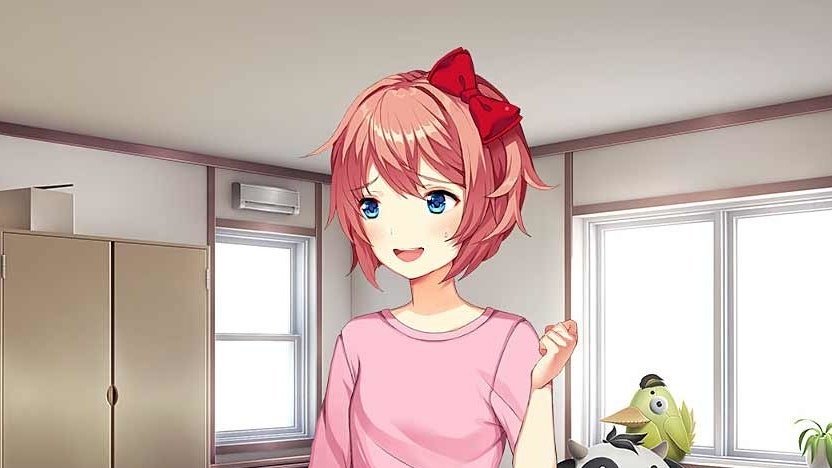
Yes, Doki Doki Literature Club is indeed a horror game, though it initially presents itself as a cutesy dating simulator.
Is Doki Doki Literature Club a horror game? Many players enter this seemingly innocent visual novel expecting a charming romance. The game cleverly subverts these expectations, revealing dark and unsettling themes.
The shift from lighthearted to terrifying is abrupt, surprising players with its psychological horror elements. This clever bait-and-switch makes it a memorable and impactful horror experience.

Is Doki Doki Literature Club a Horror Game?
Let’s dive deep into the question that’s likely brought you here: Is Doki Doki Literature Club (DDLC) truly a horror game? On the surface, it looks like a cute, harmless dating sim, right? You’ve got adorable anime girls, a friendly protagonist, and the promise of joining a fun literature club. But trust us, there’s much more than meets the eye. DDLC cleverly disguises its dark nature, and this deceptive approach is a key part of what makes it so effective. It’s not about jump scares or monsters hiding in the closet. Instead, it delves into psychological horror, messing with your expectations and leaving you genuinely disturbed. So, is it a horror game? Absolutely, and we’re going to explore why.
The Initial Deception: A Seemingly Normal Visual Novel
When you first start playing Doki Doki Literature Club, you’re presented with a classic visual novel setup. You play as a high school student who gets convinced by his childhood friend, Sayori, to join the school’s literature club. You meet the other members: Natsuki, the short and feisty manga lover; Yuri, the quiet and intelligent bookworm; and Monika, the president of the club and the most popular girl in school. Everything feels lighthearted and fun. You write poems, share them with the club members, and try to get closer to each girl. The game makes you think it’s all about making choices, like which girl to spend time with, and crafting the perfect poem to win their affection. This initial phase is intentionally designed to lull you into a false sense of security. It makes you comfortable, almost like you are playing any ordinary dating sim. This comfortable start is important because it allows the game to twist your expectations later, making the horror elements even more impactful.
The Power of Expectations
The early game mechanics play a significant role in this deception. The poem-writing activity, for example, appears to be a simple mini-game where you pick words that reflect a particular character’s style. However, these poems are later used to understand the characters’ inner thoughts and hidden struggles. It’s more than just a fun activity; it’s a window into their unstable emotions, and the seemingly casual act of choosing words is the first step in revealing the dark secrets that lie beneath the surface. This slowly building tension is not obvious and is a big part of what makes DDLC’s horror so effective.
The Shift: When Things Start to Go Wrong
The game doesn’t remain a cute dating sim for long. Once you’re settled into the routine, things begin to change. Small glitches start appearing – text breaks, images warp, the music might get a bit distorted, and the characters’ behavior becomes increasingly erratic. This is where the true horror begins to creep in. It isn’t a sudden shift, but rather a gradual unsettling of the seemingly perfect facade. It’s like the game itself is starting to break down, and this reflects the characters’ descent into mental instability. These aren’t random errors; they’re carefully crafted to make the player uncomfortable, hinting at the disturbing reality within the game’s code.
Psychological Horror: The Main Ingredient
The most significant aspect of DDLC’s horror is its reliance on psychological elements. It preys on your emotions and expectations. Instead of jump scares or gory scenes, the game aims to make you feel uneasy, disturbed, and even guilty. The characters start revealing deep-seated issues like depression, self-harm, and obsessive behavior. These topics are treated seriously, and are a significant part of the game’s shocking reveal. The game makes you care for these characters and then throws you into their internal hell. This makes the psychological horror far more impactful and uncomfortable than any traditional horror trope.
Breaking the Fourth Wall
One of the most memorable parts of the horror is that the game breaks the fourth wall. In traditional games, the game world exists separately from the player. In DDLC, the characters become aware of the player’s existence. Monika, in particular, directly addresses you, the player. This awareness is unsettling. It’s like she knows you’re watching, and she manipulates you, knowing you’re on the other side of the screen. This makes you feel like you’re not just playing a game, but part of it, blurring the line between the virtual world and reality. This technique greatly enhances the feeling of unease and makes the horror feel personal.
The Characters’ Disturbing Descent
Each character in Doki Doki Literature Club has their own unique set of problems that the game reveals throughout the play. Let’s break down each of their issues, they are all disturbed in their own ways and contribute to the overall horror of the game:
- Sayori: Initially presented as your cheerful childhood friend, Sayori grapples with severe depression. This is not something hidden, but it appears as her character’s tragic flaw. The game makes you care for her and her struggle. Her depressive episodes become more intense, and they have a strong impact on the player. The game will then show how her mental health issues progress until it leads to her tragic end.
- Natsuki: Natsuki appears to be a typical tsundere character – harsh on the outside, but soft on the inside. As the game moves further, you find that she experiences abuse at home. Her desire to hide her vulnerability and the underlying sadness makes her a sympathetic and tragic figure. This reveals another layer of emotional discomfort and darkness.
- Yuri: Yuri is the quiet and intelligent member, who becomes more and more obsessed with the protagonist. Her character shifts dramatically, and she becomes increasingly unstable. She displays self-harming behaviors and becomes possessive. This sudden and drastic change makes her character very disturbing to observe as the game progresses.
- Monika: Monika, the club president, is the key to the game’s horror. She is initially presented as kind and perfect, but becomes the ultimate source of the game’s nightmare. She is aware that she is in a video game, and she is desperate to escape her reality. She begins to manipulate the game to be closer to the player and remove the other girls from the game. Her desperation and possessiveness make her the most disturbing character in the game.
The way these characters’ mental health issues are portrayed isn’t simplistic or shallow. The game delves into the uncomfortable truths of these problems and shows how they can have a negative influence on a person’s behavior, making the horror more rooted in reality.
The Meta Narrative: A Game About Games
Doki Doki Literature Club is not just a horror game, it’s a game about games. It plays with the idea of a visual novel, subverting the genre and questioning the very nature of the game. The characters are aware of their existence in a video game, and this meta-awareness is a central part of the horror. The game messes with your perception of reality and makes you think about the impact of games. It’s not just about jump scares; it’s about the unsettling realization that the characters aren’t just lines of code. They’re also human and with complex emotions and desires. This meta layer adds a whole new level of depth to the horror, making it more than just a simple jump-scare experience.
Challenging the Player’s Role
The game also challenges the player’s role. You, as the player, are no longer just someone making choices for the protagonist. The characters, especially Monika, acknowledge your existence and interact with you directly. The game questions your motivations and your actions, making you part of the unsettling narrative. The meta aspect of the game makes it a commentary on the relationship between games and players, enhancing the overall feeling of discomfort. It also creates a feeling of responsibility and guilt for the player, making the horror feel more personal.
The Horror of the Unexpected
The horror in DDLC comes from the unexpected. You go in expecting a cute dating sim and instead face disturbing psychological themes. This unpredictability makes the game all the more impactful and disturbing. The game doesn’t rely on the traditional scares; it uses its deceptive nature to its advantage. It takes you from a sense of comfort and ease to a feeling of unease, which makes the game so effective at causing a lasting impression.
The Lasting Impact
The horror in DDLC doesn’t just stay in the game. It can stick with you long after you’ve finished playing. The themes it deals with – mental health issues, obsession, and the very nature of reality – are all deeply thought-provoking. The game doesn’t just try to scare you; it makes you think, and this can be an uncomfortable process for the player. It is this ability to stay with you that separates DDLC from typical horror games.
More Than Just Jump Scares
While there are some elements of visual and auditory scares in DDLC, these aren’t the primary source of fear. The game primarily focuses on psychological horror, creating a disturbing experience that will play on your mind for a long time after you finish playing it. This is why the game can be so effective, and why it has gained such a large following. It’s not about the immediate shock of a monster jumping out but the slow burn of unsettling events and realization.
A Breakdown of the Elements
To understand DDLC’s horror better, here’s a breakdown of its key elements:
- Psychological Themes: The game explores themes of depression, self-harm, obsession, and mental instability.
- Distorted Visuals and Sounds: Text glitches, warped images, and distorted music all contribute to the sense of unease.
- Fourth Wall Breaking: The characters acknowledge the player’s existence, creating a meta-narrative.
- Unexpected Twists: The game subverts the expectations of a dating sim, making the horror more impactful.
- Character’s Mental Breakdown: The slow reveal of each character’s struggles and their descent into chaos creates a disturbing experience.
All of these elements work together to create a horror experience unlike most others, proving that Doki Doki Literature Club is a horror game. It’s not one that relies on cheap scares, but instead uses the player’s mind against them.
In conclusion, Doki Doki Literature Club is undoubtedly a horror game. It uses its deceptive nature and focuses on psychological horror to create a deeply unsettling experience. It goes beyond the surface of a typical dating sim to explore darker themes and challenge the very nature of the game. It’s a game that stays with you, making it a truly unique and unforgettable horror experience.
How Scary is Doki Doki Literature Club? (Horror Game Tier List)
Final Thoughts
Doki Doki Literature Club initially seems like a typical dating sim. It quickly shifts, revealing disturbing psychological elements. The game uses meta-awareness to create unease and fear.
The game’s deceptive presentation and sudden horror make it a memorable experience. It challenges players’ expectations of the genre. Therefore, the question is Doki Doki Literature Club a horror game is a resounding yes, as the game delivers psychological horror.

