
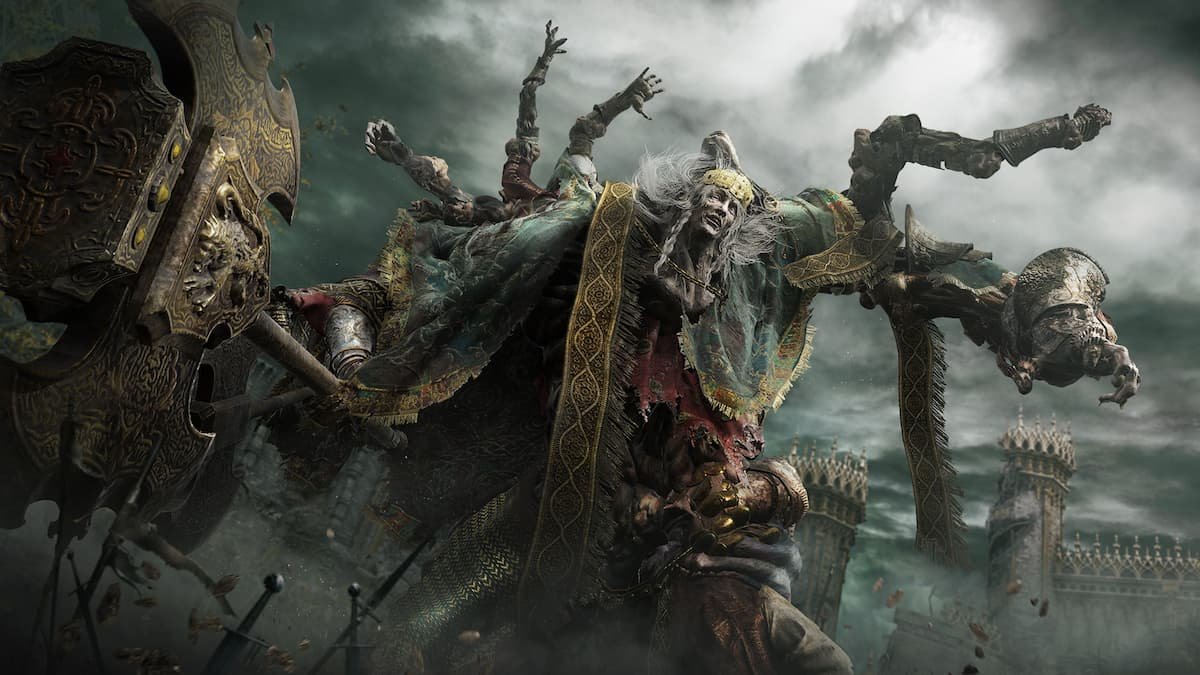
Yes, Elden Ring is definitively a Souls game, expanding upon core mechanics and design principles established in earlier titles.
The debate swirls; is elden ring a souls game? Many players feel the familiar sting of death and triumph, but also experience an open world setting. This presents a slightly different experience from titles like Dark Souls. The core DNA, though, persists.
Combat, level design, and storytelling bear striking similarities, all hallmarks of the “Souls-like” genre. These elements prove Elden Ring’s heritage. It expands upon those traditions significantly, giving greater player freedom. This expansion never quite abandons the source material, though.

Is Elden Ring a Souls Game? The Core Question Explored
Okay, let’s talk about Elden Ring. It’s a massive, beautiful, and sometimes super frustrating game. If you’ve played it, you probably have a strong opinion. But a big question hangs in the air: Is Elden Ring actually a “Souls” game? The answer, like a lot in the Lands Between, isn’t simple. It’s not a straight-up yes or no. To understand why, we need to dig into what makes a Souls game a Souls game and how Elden Ring fits in, and sometimes bends, those rules.
What Defines a Souls Game?
Before we can say if Elden Ring belongs, we need to understand what the term “Souls game” even means. It’s more than just hard. It’s a set of mechanics and design choices that create a specific feel. These elements, popularized by FromSoftware’s Demon’s Souls and the Dark Souls series, have become the hallmarks of this genre.
The Core Tenets of the Souls Formula
- Challenging Combat: This is the big one. Souls games are known for their demanding combat. You need to learn enemy attack patterns, manage your stamina, and time your dodges and attacks perfectly. It’s not about button mashing; it’s about being thoughtful and precise.
- Bonfires (or Sites of Grace): These act as checkpoints. When you die, you return to the last bonfire you rested at, losing any souls (or runes in Elden Ring) you haven’t spent. This creates a risk-reward dynamic: push further, or bank your progress?
- Losing Resources on Death: As mentioned before, you lose your souls/runes when you die. You can retrieve them if you reach the spot you died, but die again, and they are gone forever. This adds to the tension and makes each encounter more meaningful.
- Interconnected World Design: Most Souls games feature intricate level designs where areas connect back on themselves, creating a sense of exploration and discovery. You might find a shortcut that takes you back to a place you’ve been, a sense of satisfaction that rewards player for their time.
- Minimalist Storytelling: The story is often told through item descriptions, environmental details, and brief conversations with NPCs. It’s not always clear, and you need to put the pieces together to understand the lore. This encourages active participation from the player and rewards thoroughness.
- Tough Boss Battles: Boss encounters are a significant part of the Souls experience. They are often challenging and require you to learn their specific attack patterns and use the knowledge you gained to defeat them. They are not simple fights.
- Character Customization and Build Options: You have control over your character’s stats, weapons, and armor. You can create different builds for different play styles like the tank, mage or dexterity.
These elements working together make the challenging experience that is a Souls game. Think of it like a specific recipe that makes a cake – you need the right ingredients to make it what it is.
How Elden Ring Fits (and Doesn’t Fit) the Mold
Elden Ring definitely has the DNA of a Souls game. Many of those core tenets are very present and accounted for. But it also takes some significant detours, making the whole question of its genre less clear cut.
The Familiar: Souls DNA in Elden Ring
- Combat Difficulty: Yep, Elden Ring is very hard. The enemies are tough, the bosses are even tougher, and you will die a lot. This is a staple of Souls games, and Elden Ring doesn’t disappoint.
- Sites of Grace and Runes: Just like bonfires, Sites of Grace are Elden Ring’s checkpoints. You also lose runes (the game’s currency) upon death, and must recover them. So that risk-reward mechanic is in full effect.
- Environmental Storytelling and Lore: The cryptic narrative style is carried over into Elden Ring, leaving much for the player to interpret and explore.
- Challenging Bosses: From Margit to Malenia, Elden Ring’s bosses are intense and can be tough, requiring strategy and skill to beat.
- Character Builds: There is a huge variety of character customization options and different ways to play. You can build your character as a powerful melee fighter, a magic user, a hybrid, or whatever you prefer.
So, in many ways, Elden Ring feels very much like a Souls game. It’s like going to a restaurant that’s famous for a type of dish and the familiar flavors are right there.
The Divergence: Where Elden Ring Breaks the Mold
However, Elden Ring isn’t a complete carbon copy. It brings new elements to the table, and these are what really cause the debate on whether this game is a “Souls” game or not. These changes may be considered departures for many “Soulslike” gamers. Let’s examine some of these differences:
The Open World
The biggest change, and the most obvious one, is the open world. Previous Souls games have been more linear, leading you down a specific path with connected levels. Elden Ring, on the other hand, drops you into the Lands Between, a vast world you can explore at your own pace. This shift drastically changes the experience.
- Freedom to Explore: You can go almost anywhere you want, whenever you want. This freedom changes how you approach challenges. If a boss is too hard, you can go somewhere else, grind, and come back stronger.
- More Accessible Difficulty: The open world design allows players more freedom to approach challenges, by going to a different area to grind or by trying a new strategy.
- Different Progression: In past Souls games you would complete areas in a specific order. Elden Ring allows you to explore optional areas or bosses before facing the main one.
Mounted Combat and Traversal
In Elden Ring, you get Torrent, your spectral steed. This allows you to quickly move around the open world. You can even fight from horseback, adding a new dimension to combat. Previous Souls games relied solely on foot travel and melee combat. This represents a substantial change to core Souls gameplay.
The Spirit Ash Summons
Another big addition is the ability to summon spirit ashes to help you in combat. These spirits are AI controlled allies that can provide support and help take down some of the more challenging enemies. This makes boss encounters more manageable for some players, potentially lowering the difficulty. While there have been summons available in other Souls games, these are implemented in a different way, and make the game accessible to more casual players.
Crafting and Other Open-World Elements
Elden Ring also incorporates crafting, a feature largely absent from prior FromSoftware Souls games. You gather resources in the world and use them to create items like arrows, buffs, and throwables. This adds another layer of exploration, and another way to approach challenges. This makes Elden Ring more accessible to players who want to spend their time scavenging and preparing.
Less Linear Structure
Previous souls games have a very linear structure. The game encourages the player to progress in a certain order. Elden Ring allows the player more freedom. The game does not make clear which areas or dungeons the player should explore next. This gives a less linear feel and gives more freedom.
So, Is It a Souls Game?
Here’s where it gets interesting. Elden Ring absolutely borrows heavily from the Souls formula. It has that same punishing difficulty, that same sense of atmosphere, and that same rewarding feeling of overcoming a great challenge. However, it also expands upon the formula. Its open world, crafting mechanics, and spirit summons are all steps away from the traditional Souls template.
Ultimately, deciding whether Elden Ring is a “Souls game” comes down to your perspective. It retains the core DNA of Souls games but evolves and expands upon that formula significantly. You might call it a “Souls-like” game, or even a “Souls-inspired” open world game. Regardless of the label, there’s no doubt it’s one of the most innovative games in years.
It’s like when a band you love does a new album – it has the same sound that made you fall in love with them, but there are also new sounds that push the envelope. Is it still the same band? Yes, but they have evolved and grown as artists. That’s kind of what Elden Ring is to the Souls genre.
Perhaps the best way to define Elden Ring, instead of trying to fit it into an existing category, is to simply call it what it is: Elden Ring. It’s an experience all its own, pulling from what made the Souls games so great while creating something entirely unique and memorable.
Is Elden Ring a good "first" Souls game?
Final Thoughts
Elden Ring certainly shares core mechanics with Dark Souls. It contains the same challenging combat and deliberate movement. The game features a similar bleak atmosphere and intricate level design.
However, the open world greatly expands upon the typical Souls formula. This open design fundamentally shifts how players experience the game. The larger scale makes exploration a main part of the gameplay.
Ultimately, is elden ring a souls game is a question of definition. It undeniably builds upon the Souls formula and contains many key mechanics, even though it also introduces new features. The souls like elements are undeniably present.

