
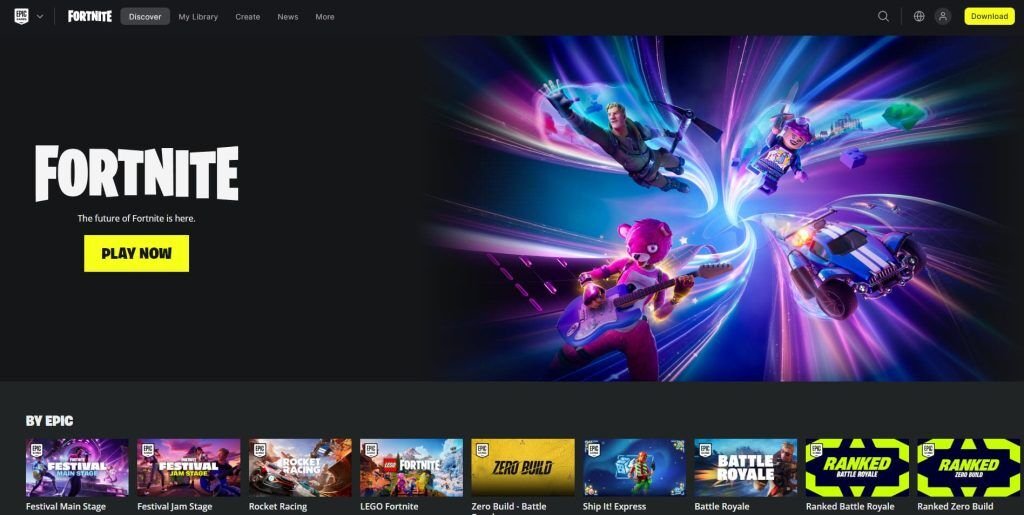
No, Epic Games is not publicly traded.
Ever wondered about owning a piece of the Fortnite empire? The question, “is Epic Games publicly traded,” pops up frequently. It’s a natural curiosity, given the company’s massive impact on the gaming world.
Many companies with similar reach are on stock exchanges, allowing regular investors to buy shares. However, Epic Games operates differently. This article will clarify its ownership structure.

Is Epic Games Publicly Traded? Unveiling the Ownership Structure
So, you’re curious about Epic Games and whether you can buy a piece of it on the stock market? That’s a great question! Many people, especially gamers and those interested in the tech world, often wonder about the ownership of such a big name company. Epic Games, the powerhouse behind Fortnite, Unreal Engine, and the Epic Games Store, is a significant player in the gaming industry. However, the way it’s owned is different than some other major companies you might know. Let’s dive deep into the world of Epic Games ownership and find out if it’s a publicly traded company.
The Private Nature of Epic Games
Epic Games is not a publicly traded company, meaning you can’t buy shares of its stock on exchanges like the New York Stock Exchange (NYSE) or NASDAQ. Instead, it operates as a privately held company. This means that its ownership is not available to the general public. Instead of offering shares to regular investors, Epic Games is primarily owned by a group of private investors. This structure gives Epic Games certain advantages. It allows the company to focus on long-term goals and strategy without the pressure of quarterly earnings reports and shareholder expectations. This freedom can be beneficial for innovation and making bold decisions.
Understanding Private Ownership
What does it actually mean for a company to be privately held? Well, it means the company’s shares aren’t sold on public stock markets. This is different from companies like Apple or Microsoft, where you can easily buy stock. Private companies often have a smaller number of shareholders, frequently including the company’s founders, venture capitalists, and other institutional investors.
Key Benefits of Staying Private
So, why would a company like Epic Games choose to stay private? Let’s explore some of the key reasons:
- Long-Term Focus: Private companies can concentrate on their long-term plans without the constant pressure of meeting quarterly earnings targets set by public investors. They can prioritize product development and big ideas without worrying so much about short-term stock price fluctuations.
- Reduced Scrutiny: Private companies have far less public reporting and regulatory requirements than public companies. This also means less transparency about the financials of the company.
- Control: The existing owners of a private company have a greater ability to control the direction of the company. This allows the core decision-makers to keep shaping the business according to their vision without the influence of external shareholders.
- Less Pressure: Private companies don’t have to please the public investors to stay on top, it also means less pressure when making big decisions.
Who Owns Epic Games?
While you can’t buy stock in Epic Games, it’s interesting to know who actually owns the company. The largest shareholder is Tim Sweeney, the founder and CEO of Epic Games. He has a significant controlling stake in the company, ensuring his vision continues to guide the business. Additionally, there are a few other major players who have invested in Epic Games:
Major Investors in Epic Games
Some key investors who hold ownership in Epic Games include:
- Tencent: This Chinese technology conglomerate owns a significant minority stake in Epic Games. Tencent’s investment has been crucial for expanding Epic’s presence in Asia and has significantly supported its global growth.
- Sony: Sony, a major player in the gaming and technology world, has made substantial investments in Epic Games. This investment showcases the strong relationship between the two companies.
- Kirkbi: The investment firm behind the Lego Group also has an investment in Epic Games. This indicates the potential of the metaverse, as both LEGO and Epic Games are investing in building virtual world experiences.
- Other Investment Firms: Numerous venture capital and private equity firms also hold stakes in Epic Games. These investors provide the funds and support for the company’s ambitious projects.
The Possibility of an Epic Games IPO
The question that many people ask is: Could Epic Games ever go public? While there are no current public plans for an initial public offering (IPO), it is something that is always being considered by private companies. An IPO is when a private company offers shares to the public for the first time, allowing anyone to buy into it. While there are no certain signs of this happening soon for Epic Games, let’s think about what such a move might look like.
What an IPO Might Mean for Epic Games
If Epic Games were to go public, it would have several potential implications:
- Increased Capital: An IPO would provide Epic Games with a large amount of capital. This could be used to fund growth, develop new games and products, and expand its services even further.
- Public Scrutiny: Going public means facing increased scrutiny from the financial markets, the media, and shareholders. This could mean more pressure on Epic Games to meet financial expectations.
- Liquidity for Investors: An IPO would offer current investors, like Tencent and Sony, the chance to sell some of their holdings and receive a return on their investments.
- Employee Stock Options: Going public allows Epic to offer employee stock options, which can attract and keep talented staff.
Why an IPO Isn’t Necessarily a Given
Despite the benefits of going public, there are reasons why Epic Games might choose to remain private for the foreseeable future:
- Control: Tim Sweeney and other major stakeholders might prefer to retain control of the company. An IPO would dilute this ownership and possibly introduce a lot of people into the decision-making process.
- Long-Term Vision: Epic Games can continue to focus on their long-term goals without short-term public scrutiny. They have more flexibility to take chances and make new developments when they are not constantly under the microscope.
- Sufficient Capital: With major investors like Tencent and Sony, Epic Games has already gained the support of funding, so they are not desperate for the capital that comes with an IPO.
- Volatility: Gaming industry can be unpredictable, which can cause a massive swing in the stock of any gaming company. This volatility might mean staying private is a smarter choice.
The Impact of Epic Games on the Gaming Industry
Whether it’s a public or private company, Epic Games plays a massive role in the gaming industry. Let’s look at how they impact the world of gaming:
Key Contributions to the Gaming World
Epic Games has made several important marks in the industry:
- Fortnite: Fortnite has become a global phenomenon. It’s not just a game; it’s a cultural event and social platform. The game has become known for its unique gameplay, regular updates, and integration of popular culture.
- Unreal Engine: The Unreal Engine is one of the most popular game engines used by developers. This engine powers many well-known games, movies, and virtual experiences, making it very influential in the industry.
- Epic Games Store: The Epic Games Store has pushed boundaries by challenging the dominance of other PC game marketplaces. The store offers developers better revenue sharing and free game giveaways for players.
- Metaverse Vision: Epic Games has a strong vision for the metaverse. They are investing heavily in the development of virtual worlds that will connect people for various experiences.
Comparing Epic Games with Other Gaming Companies
To better understand Epic Games’ position, let’s look at how it compares to some other major gaming companies:
Public Gaming Companies vs. Private
Let’s compare how the public vs. private structure impacts gaming companies:
| Company | Public or Private | Key Focus |
|---|---|---|
| Activision Blizzard | Public | Well-known for its large game franchises like Call of Duty and World of Warcraft. |
| Electronic Arts (EA) | Public | Known for sports games, such as FIFA and Madden, and large titles like Apex Legends. |
| Take-Two Interactive | Public | Famous for Grand Theft Auto and NBA 2K series. |
| Epic Games | Private | Focuses on its own games like Fortnite, the Unreal Engine, and the Epic Games Store. |
As you can see, many of the big players in gaming are public, which is different from Epic Games. Each structure has its own set of pros and cons, and they each have different approaches to development and growth.
The Future of Epic Games
So, what does the future hold for Epic Games? Despite staying private for now, the company continues to grow and invest in new ventures. With its strong presence in the game development market and massive popularity of Fortnite, the company is sure to continue to innovate and change the game industry.
Looking Ahead
Here are some potential developments we could see from Epic Games in the near future:
- Further Metaverse Development: Epic Games will likely continue to pour investment into its metaverse ambitions. They aim to create immersive virtual worlds that connect people in new and different ways.
- New Gaming Technologies: We can expect Epic Games to continue its leadership in gaming technologies with the further development of Unreal Engine. This could include better graphics, more realistic physics, and new possibilities for virtual creation.
- Epic Games Store Expansion: The Epic Games Store will likely continue to challenge Steam for dominance by offering developers better deals and players free games.
- New Games and Experiences: While Fortnite is still going strong, Epic Games is sure to keep developing new games and interactive experiences.
In conclusion, while Epic Games isn’t publicly traded, its story is one of incredible success through its private operations. The company’s focus on long-term goals and technological innovation positions it as a major force in the gaming world. Whether it stays private or eventually decides to go public, the future of Epic Games remains extremely interesting, and many fans are eager to see what it does next.