
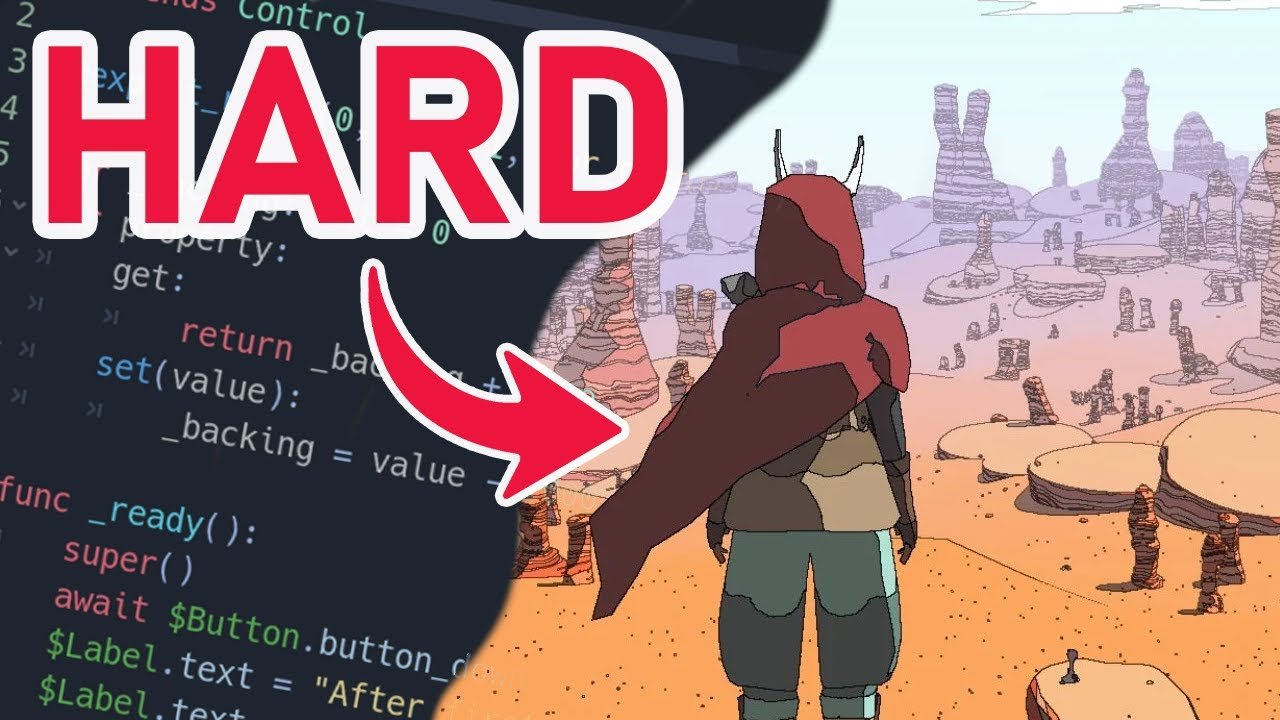
Yes, game development is hard because it requires a combination of technical skills, creativity, and project management.
So, you are pondering if game development is hard? It’s a question many aspiring creators ask. The process involves a lot of different skills, from coding to art to sound.
This demanding field needs both technical prowess and creative vision. Managing a game project also brings unique challenges. Success in this area requires passion and commitment.

Is Game Development Hard? Exploring the Challenges
So, you’re thinking about making a game? That’s awesome! Maybe you have a cool idea for a platformer, a puzzle game, or even a sprawling role-playing adventure. But then a question pops into your head: is game development hard? The short answer is… it can be! It’s not always easy peasy, like playing a game. It’s a mix of art, science, and a whole lot of problem-solving. Let’s break down what makes creating games a bit tricky.
The Many Hats of a Game Developer
Game development isn’t just one thing; it’s many things all rolled into one. Think of it like being a chef who also grows the food, designs the kitchen, and serves the customers! You might need to wear a bunch of different hats, depending on the size of the team you’re working with. Here are a few of the important roles:
- Programmer: These are the code wizards who make the game actually work. They write the instructions that tell the computer what to do, like how characters move or how the game keeps score. Game programming involves many different languages, including C++, C#, Python and many other languages. Game programmers use their skills to make your awesome game ideas become reality.
- Game Designer: These are the idea people. They figure out what the game is about, what the rules are, and how players will have fun. They think about the story, the levels, and the challenges. Think of them as the architects who lay out the blueprints for a game. They create game design documents, which are like guides for everyone else.
- Artist: These talented folks create all the visual elements of the game. They draw the characters, design the backgrounds, and animate everything, bringing life to the game. They could work on 2D or 3D art. These include character models, environmental assets, user interface elements, and visual effects, using various digital art tools.
- Sound Designer/Composer: Sound is a huge part of any game and creates the right feeling, whether it’s action-packed or a quiet mystery. They make all the sound effects and the music you hear in the game. They think of the sound that goes with every action, so that the game sounds like it should.
- Level Designer: They take the game designer’s ideas and build the actual spaces where the game happens. They craft levels that are fun, challenging, and engaging for players. They design how players move around and experience the game’s world, thinking about how the layouts affect gameplay.
- Tester: These people play the game a lot to find any bugs or problems before it is released. They’re like the quality control team, ensuring the game is smooth and ready for players. They look for crashes, glitches and any other problem. They make sure the game works just like it should!
In a big studio, these are often different people with specialized roles. But in a smaller team or if you’re working on your own, you might find yourself doing a lot of these jobs, all by yourself!
The Tech Side of Game Creation: Programming and Engines
One of the most important parts of making games is the programming, and it can be a lot to learn. Game programming languages include C++, C#, and others. But thankfully, you don’t always have to start from scratch. That’s where game engines come in handy.
What are Game Engines?
A game engine is like a big toolbox filled with all the tools a game developer needs. It provides pre-built systems for handling things like:
- Graphics: How things look on the screen.
- Physics: How things move and interact, such as gravity or collisions.
- Sound: Playing audio and adding effects.
- Input: Handling player controls from a keyboard, mouse, or gamepad.
- AI: Programming the behavior of non-player characters.
Some popular game engines that game developers use are Unity, Unreal Engine, and Godot. Each has different strengths and weaknesses. Picking the right one depends on your game and your specific needs.
Learning to Program for Games
If you want to work in game development, you need some knowledge of programming. Even if you use an engine, you’ll still need to understand how code works to create more advanced systems. Programming languages like C++ and C# are commonly used in game development. Learning to program can be tough, because it’s like learning a whole new language. You have to learn the rules of the language, how to write instructions that the computer understands and how to debug issues when things go wrong. But, it is also one of the most creative parts of game development, you could make something completely new!
The Art and Design Elements
Games need to look and feel great to keep players engaged. This is where art and design come in.
Visual Arts
Game artists create everything you see in a game. This includes characters, environments, props, and user interfaces. They use a range of tools to make things, from hand drawing to computer-based graphic editors. Game art can be 2D or 3D, depending on the style of the game.
2D Art
2D art is used for games that look flat, like classic side-scrolling platformers or pixel art games. It involves drawing sprites and backgrounds using digital tools. Many mobile games use 2D art styles as well.
3D Art
3D art is used for games that have a more realistic and immersive look. Artists create 3D models of characters and environments, and they also add textures and lighting to give them a 3D look. 3D modeling can be more complex than 2D art and requires specialized software.
Game Design: Crafting the Player Experience
Game designers work on how the game plays. They think about:
- Gameplay Mechanics: The rules of the game and how the player interacts with it.
- Level Design: Creating the levels and environments where the game takes place, ensuring they are fun and challenging.
- Storytelling: Writing the narrative or story of the game.
- User Interface (UI): Designing menus and the other ways players interact with the game.
- Player Experience (PX): Planning for how the player will feel while playing the game, making sure it’s fun, rewarding, and not too frustrating.
Good game design makes a game enjoyable to play by balancing difficulty, challenge, and fun. Game designers often work closely with other team members to create a cohesive experience.
The Challenge of Problem Solving
Game development is filled with problem-solving. Things often don’t work how you expect, and you’ll spend time figuring out what’s wrong and how to fix it. This can be like working on a big puzzle. Sometimes you have to spend hours trying to fix just one small part of your game. This is why problem solving is a major part of game development.
Common Problems
Some common types of issues that game developers face include:
- Bugs: Errors in the game’s code that cause it to behave in unexpected ways. These can cause crashes, glitches or other problems.
- Performance Issues: The game is slow or laggy, making it difficult to play. This can happen on older computers or when the game is poorly optimized.
- Design Flaws: The game is not fun to play or is too difficult. This may require redesigning game levels or game mechanics.
- Technical Challenges: Getting different systems in a game to communicate or work together. This can happen when you are dealing with different tools and technologies.
- Art Issues: Making assets that look good and work well with the game’s style. Making sure that the game has a consistant art style.
Dealing with all these challenges requires lots of patience, a positive mindset, and good problem-solving skills. You’ll need to keep learning and trying new things.
Is Game Development Hard? – The Time Commitment
Game development can take a lot of time and dedication. Even a simple game can take weeks or months to finish, and bigger, more detailed games can take many years. It’s a big project, and you need to plan carefully.
Planning Is Key
A good plan is very important when making a game. You need to have a clear idea of what you want the game to be before you start making it. You need to know the theme of the game, who your target audience is, and what your game’s unique features will be. A well-thought-out plan will help you manage your project, keep track of your progress, and make sure that the project does not get out of hand.
Staying Motivated
It’s normal to feel a little discouraged at times, especially when you run into a tough problem. When this happens it is important to stay motivated and keep working on the game. Many game developers work for many years on a game, so patience is really important. Working in a team will help you to stay motivated, and keep the project going.
Tools and Resources for Game Development
There are many helpful tools and resources that game developers use. These resources can help you learn how to program, create art, and design games. Here are some resources:
- Game Engines: Such as Unity, Unreal Engine, and Godot. These are the primary tools for creating games, providing features for graphics, sound, physics, and more.
- Programming Languages: Languages such as C++, C#, and Python that are frequently used for game coding.
- Digital Art Software: Tools like Photoshop, GIMP, and Blender are used to make 2D and 3D game art.
- Online Courses and Tutorials: Platforms like Udemy, Coursera, and YouTube have many lessons about game development.
- Community Forums: Places to ask questions, share your work, and get help from other game developers.
- Game Jams: Events where you make a game in a short period of time, often with a theme.
Starting with small projects is a great way to learn and gain experience. You can build your skills and learn the game development process, by working on your first mini game.
The Rewards of Game Development
Even though game development can be hard work, it can also be a very rewarding journey! There is nothing like having a game come to life. It feels incredible to have people playing your creation.
Creative Outlet
Game development can be a great way to express your creativity and ideas. You are able to take all your best ideas, and then turn them into a playable game. This can be really fun and fulfilling!
Problem-Solving Skills
Working through different challenges in game development can make you a better problem solver. You’ll learn how to think logically, test your ideas, and fix problems as they come along. These skills can be used in different areas of your life.
Sense of Accomplishment
Completing a game, big or small, gives you an amazing sense of accomplishment. It’s a very special feeling to have something that you created all by yourself that you can be proud of. Knowing that people are playing something you built is a fantastic feeling!
Career Opportunities
If you love game development, it can be a great career path. There are many different roles available in the game industry, from programming to art, game design, and more. The game industry is growing, and there is always a need for new and talented people.
So, is game development hard? Yes, it can be! It involves many different skills, takes a lot of time and effort, and sometimes there can be a lot of problems to solve. But, it’s also a deeply creative process, and seeing your ideas come to life and be played by others is an amazing feeling. If you’re willing to learn, work hard, and keep trying, you can definitely create your own video game. Good luck on your game development journey!
Game development is HARD
Final Thoughts
Game development presents significant challenges. It demands technical skill, creative vision, and plenty of patience. You must deal with complex coding, art creation, and effective project management.
The process requires continuous learning and adaptation. Many aspects contribute to its difficulty, making it a demanding career path. So, is game development hard? Yes, it is a challenging field but can be rewarding for those willing to commit.

