
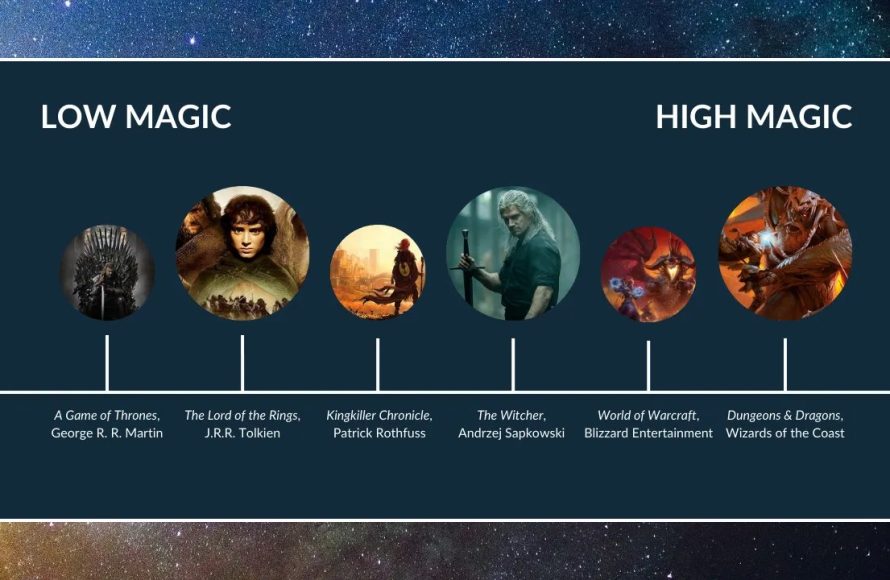
No, Game of Thrones is not definitively high fantasy; it leans more towards low fantasy with its grounded political struggles and limited overt magic.
The question of genre often sparks debate among fans, and is game of thrones high fantasy is a perfect example. We see dragons and some magical elements, but the core of the story revolves around power struggles between human characters.
The focus remains on political maneuvering and brutal realism, making it diverge from traditional high fantasy tropes. Instead, the world feels gritty and less enchanted than many high fantasy narratives.

Is Game of Thrones High Fantasy? A Deep Dive
Okay, so we all love Game of Thrones, right? The dragons, the battles, the sneaky politics… it’s all so captivating. But is it really “high fantasy”? That’s the question we’re going to chew on today. High fantasy usually makes us think of epic quests, magical beings, and clear-cut good versus evil. Game of Thrones, on the other hand, feels a bit more… messy. It has fantasy elements, sure, but it also has a lot of gritty realism. Let’s peel back the layers and see if this popular series truly fits into the high fantasy mold.
Defining High Fantasy
Before we can decide if Game of Thrones qualifies, let’s make sure we know what high fantasy actually is. Think of it like this: High fantasy usually involves a completely made-up world. It’s not based on our history. It has its own rules, its own cultures, and often its own maps. It frequently includes things like:
- Magic: Magic is a big part of the world, often used by powerful characters.
- Mythical Creatures: We see dragons, elves, dwarves, and other non-human beings.
- Clear Good vs. Evil: There are usually heroes and villains, and the story is often about the heroes’ fight against the villains.
- Epic Scope: The story often deals with saving the world or changing the fate of a kingdom.
- Moral Clarity: Characters often act based on strong moral codes or ideals.
Think of The Lord of the Rings. It’s a perfect example of high fantasy. Middle-earth is entirely invented. Magic is powerful, and the story is a grand battle between good and evil, with clear heroes and villains.
Game of Thrones: A Closer Look
Now, let’s compare these traits to the world of Westeros. Game of Thrones, adapted from George R.R. Martin’s A Song of Ice and Fire series, certainly has fantasy elements. We’ve got:
- Dragons: Yep, those magnificent fire-breathing beasts definitely exist.
- White Walkers: Creepy ice zombies that threaten to wipe out humanity.
- Some Magic: Warlocks, red priestesses, and people with strange powers exist, although magic isn’t as commonplace as in pure high fantasy.
But here’s where it gets tricky. Unlike many high fantasy stories, the magic in Game of Thrones is often unpredictable and not always reliable. It’s not a consistent force that characters can use whenever they want. In the initial seasons of the television show, magic feels more like an underlying threat or a rare gift, not a daily part of life.
The Gray Areas of Morality
One of the biggest differences between Game of Thrones and classic high fantasy is the morality. Forget clear-cut good versus evil. In Westeros, things are very gray. Characters often make decisions that are both good and bad, depending on their point of view. There are no perfect heroes, and even the people we might initially consider villains sometimes have good motivations or moments of kindness.
Think about characters like Jaime Lannister. He starts as a villain, pushing a child out of a window and having an incestuous affair, but later he shows honor and compassion. The series challenges the traditional notion of heroes and villains, showing people capable of both great good and great evil. This complexity is one of the things that makes Game of Thrones so intriguing.
Political Intrigue over Epic Quests
Another big difference? The focus. While high fantasy often revolves around epic quests to defeat evil and save the world, Game of Thrones has a lot more focus on political games and battles for power. Sure, the White Walkers pose an ultimate threat, but for most of the story, the characters are more concerned with taking the Iron Throne and winning the game of politics.
We see families betraying each other, alliances forming and breaking, and characters using any means necessary to gain power. This creates a more realistic and morally complicated story than many high fantasy tales. The “quests,” if we can even call them that, are often personal struggles for survival and dominance within a kingdom rather than a world-saving adventure.
Subversion of Traditional Fantasy Tropes
Game of Thrones deliberately plays with, and often subverts, the typical fantasy tropes. Here’s how:
- The Chosen One: High fantasy often has a “chosen one,” someone destined to save the world. Game of Thrones plays with this idea, but it’s never quite so clear-cut, making us unsure who would even fit this role until the very end.
- The Wise Mentor: In most high fantasy stories, there’s an old, wise mentor. Game of Thrones has characters who are sometimes wise, sometimes not, and often make mistakes.
- The Love Story: While romantic relationships do exist, they are often far from the traditional fairy tale. Instead, they often bring pain, betrayals, and complicated dynamics to the narrative.
By playing with these familiar tropes, George R.R. Martin makes his world feel more real and less like a fairy tale. He shows us that even in a fantasy world, life is messy, and no one is truly perfect or totally evil. This deconstruction is something we do not often see in traditional High fantasy.
So, Is Game of Thrones High Fantasy or Something Else?
After looking at all of that, where does it leave us? Game of Thrones isn’t straightforward high fantasy, but it isn’t exactly not high fantasy, either. It occupies a unique space, somewhere between high fantasy and other subgenres. Let’s break it down.
Elements of High Fantasy
Here’s where Game of Thrones aligns with high fantasy:
- An Invented World: Westeros and Essos are both fictional continents with detailed cultures, histories, and maps.
- Mythical Creatures: The existence of dragons and White Walkers places it within the fantasy sphere.
- Some Magic: While magic is not the most prominent element, it still exists within the world.
Elements That Diverge From High Fantasy
Here’s where it breaks away:
- Moral Ambiguity: Characters are complex and rarely fit the typical hero/villain roles.
- Political Focus: The main storylines are about power struggles more than epic quests.
- Realistic Elements: Despite the fantasy elements, the story has a gritty realism, depicting the consequences of war, betrayal, and political games.
- Subversion of Tropes: Traditional fantasy elements are twisted and reinterpreted.
- Magic is Not the Primary Focus: Magic is less prominent than politics, warfare, and character dramas.
The “Epic Fantasy” or “Grimdark” Label
Because it falls somewhere between the traditional definition of “high fantasy” and a more realistic story, many critics and fans refer to Game of Thrones as “epic fantasy” or “grimdark.” These terms describe a subgenre of fantasy that often includes:
- Large-scale conflicts: Wars that encompass whole kingdoms
- Complex characters: Morally gray characters with realistic flaws and motivations
- Dark themes: Violence, betrayal, and moral ambiguity are prominent.
- Less focus on traditional magic: Magic is present, but it’s not the central element of the story.
So, instead of pure high fantasy, think of Game of Thrones as a story that borrows some of the traits of high fantasy while adding in layers of political drama, gritty realism, and morally ambiguous characters, making it a more nuanced type of fantasy. This blend creates a unique reading (or viewing) experience. It has the grand scope of high fantasy but feels more down-to-earth.
Understanding the Nuances of Fantasy Subgenres
The world of fantasy literature is not black and white. Instead, it is full of diverse subgenres. It’s helpful to understand the key differences to appreciate the special qualities of a series like Game of Thrones. Here’s a table that compares high fantasy, epic fantasy, and grimdark:
| Characteristic | High Fantasy | Epic Fantasy | Grimdark |
|---|---|---|---|
| World Setting | Fully invented, often magical | Large-scale invented world | Often a dark, brutal world |
| Focus | Quest to defeat evil, clear good vs. evil | Political conflicts, large-scale wars | Morally ambiguous characters, bleak themes |
| Magic | Prevalent and reliable | Present but not always central | Often limited, unpredictable, or costly |
| Morality | Clear heroes and villains | Complex, gray morality | Emphasis on moral ambiguity, often dark |
| Main Themes | Good vs. evil, hope, justice | Power, war, political intrigue | Despair, survival, harsh realities |
As you can see, while all three belong to the umbrella term “fantasy,” they offer different kinds of stories with varied focuses. This helps explain why Game of Thrones doesn’t fit perfectly into the high fantasy box. It takes some of the elements of high fantasy, like a grand world and some magic, and combines them with features of epic fantasy and even grimdark, such as complicated characters and darker themes.
Why Does the Distinction Matter?
You might be wondering, does it really matter if we call Game of Thrones high fantasy, epic fantasy, or something else? The truth is, the labels themselves aren’t as important as understanding the kind of story a series is trying to tell.
Knowing the subgenre can give you a better idea of what to expect. If you go into Game of Thrones expecting a clear good versus evil story with heroic characters who always do the right thing, you might be disappointed. But if you understand that it’s a story of moral ambiguity, political games, and the struggle for power, you can appreciate it in a whole new way.
And the distinction is important for creators too. Writers and showrunners need to understand these subgenres to properly target their audience and manage reader expectations. If you’re a fan of epic fantasy, you might like Game of Thrones, while if you expect pure high fantasy, you might not. It’s about making sure the reader or viewer gets the kind of story they enjoy and engage with.
Game of Thrones is a captivating series that blends different genres of fantasy together. It doesn’t fit perfectly into the typical high fantasy box, but that’s part of what makes it so special. It has taken elements from high fantasy and epic fantasy, creating its own unique space in the world of storytelling. Understanding the nuances of different fantasy subgenres helps us appreciate the complexity and innovation of such works. Instead of worrying whether it’s “high fantasy” or not, maybe we should simply appreciate it for the well-crafted story it is.
Why Game of Thrones reads like a History Book and not a Fantasy Epic
Final Thoughts
Ultimately, A Song of Ice and Fire’s world exhibits many low fantasy elements, despite the presence of magic and dragons. The focus on political intrigue and realistic, often brutal, human behavior pulls the narrative away from traditional high fantasy tropes.
Therefore, the debate surrounding is game of thrones high fantasy remains. The series blends genres, defying easy categorization. While it has aspects of high fantasy, its core lies in grounded realism.

