
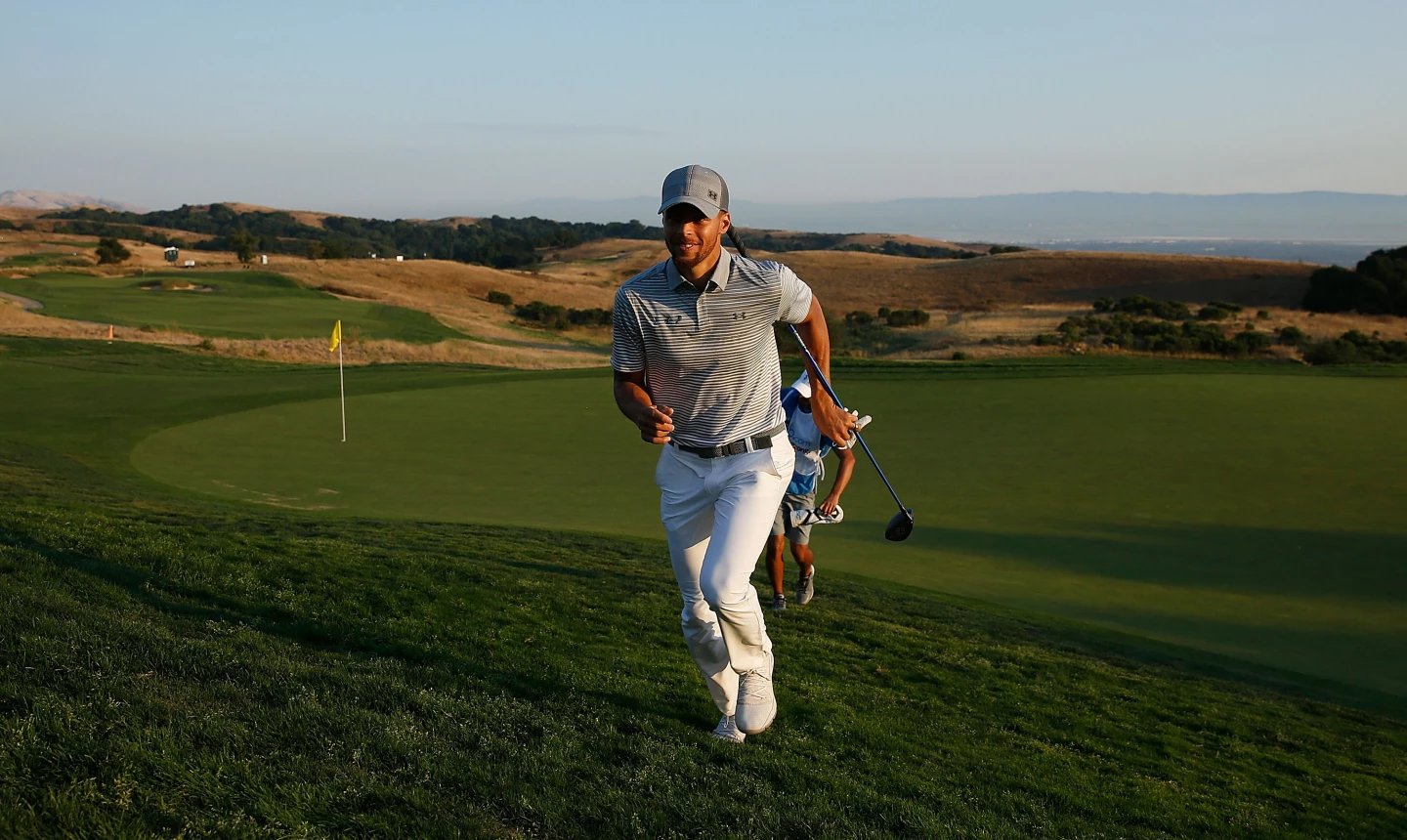
Golf possesses elements of both, but its physical exertion, skill requirements, and competitive nature firmly place it as a sport.
The age-old debate rages on: is golf a sport or a game? Many see it as a leisurely pastime, while others view it as a highly demanding activity. It involves walking long distances, swinging a club with precision, and navigating challenging courses.
So, where does golf actually land? The question “is golf a sport or a game” is central to many discussions, and it’s a topic with passionate opinions. It is more than a simple ‘hit and chase’; it requires strategy and physical prowess.

Is Golf a Sport or a Game?
Okay, let’s talk about golf. You see people out on the green, swinging their clubs, and maybe you’ve wondered, “Is that really a sport? Or is it just a fun game?” It’s a question that people have been asking for a long, long time, and there isn’t one single easy answer. To really figure it out, we need to look at what makes something a sport and what makes something a game, and then see how golf fits into each box. Let’s dive in and explore this fascinating debate!
Defining “Sport”
What exactly makes something a “sport”? When we think of sports, we often think of activities that require physical effort, skill, and competition. Here’s a breakdown of common sport characteristics:
- Physical Exertion: Sports usually make you sweat and get your heart pumping. Think of running, jumping, or swimming.
- Skill Development: You don’t just wake up being great at a sport. It takes lots of practice and training to get better. This includes things like good technique, strategy, and understanding the rules.
- Competition: Most sports have some kind of competition, whether it’s against other players, teams, or even yourself and the clock. It’s about trying to be the best.
- Rules and Structure: Sports have specific rules and ways of playing, helping to make the playing field even.
- Physical Fitness: Being able to run fast, be strong, or have lots of stamina is usually important in a sport.
The Physical Side of Sports
When we talk about the physical part of sports, we’re often thinking about how much someone is moving their body. Things like running, jumping, throwing, and lifting are easy to see as physically demanding. These activities can build strength, speed, and endurance, which are all key components of a healthy body. They also require good hand-eye coordination. When we think of activities like soccer, basketball, or track and field, it’s clear that athletes need to be very physically fit. But let’s not just focus on the most obvious stuff. There’s more to physical exertion than meets the eye. Things like agility, balance, and flexibility are also part of this idea, which can sometimes be overlooked when we think about sports. In fact, the ability to move the body with grace, speed and precision is essential for many activities to be considered a sport. Think about a gymnast on a balance beam or a figure skater on the ice. All these things factor into the bigger idea of what makes a sport “physical.”
Defining “Game”
Now, let’s consider what a “game” is. Games are usually about having fun and entertainment. While they can be competitive, the main goal is often enjoyment and social interaction. Here are some things that make a game a game:
- Entertainment: Games are usually meant to be fun and help you relax.
- Rules and Objectives: Just like sports, games often have rules. You also usually have a goal you are trying to reach in the game.
- Strategy and Tactics: Many games involve thinking and planning, as well as quick reactions.
- Social Interaction: Many games are played with friends or family, providing an opportunity to socialize and have fun together.
The Mental and Strategic Side of Games
Games can be more about your brainpower than your muscles. Think of things like chess, checkers, or card games. These games demand critical thinking, planning, and a good memory. While these games may not make you sweat, they still require mental strength. They help build skills like logic, problem-solving, and the ability to think ahead. Strategy is very important in these kinds of games. Figuring out the best way to win, anticipating your opponent’s moves, and adjusting your plan as you play are all part of the excitement. It’s fascinating how a game can use mental abilities to provide entertainment and challenge players in different ways.
Golf: Where It Fits
Now, let’s bring it back to golf. Where does golf fit in this sport vs. game conversation? The answer isn’t as clear as we’d like because it’s a bit of both.
Physical Demands in Golf
Many people see golf as a relaxing walk in the park. But golf is far more physically demanding than most people realize. Here’s why:
- The Golf Swing: A golf swing is a complex movement that requires power, coordination, and flexibility. It involves your whole body, from your toes to your fingertips. A poor golf swing can result in an injury, so precision and accuracy is very important.
- Walking the Course: Walking an 18-hole golf course can mean walking several miles. It’s not just a casual stroll, but also includes hills and uneven terrain. Carrying a golf bag adds an extra physical demand.
- Core Strength: A strong core is important for a good golf swing and maintaining balance. Many golfers participate in specific exercises to strengthen their core muscles to improve their game.
- Endurance: Playing a full round of golf can take several hours. This means the player needs a good amount of stamina to maintain their focus and performance throughout the round.
Professional golfers, in particular, demonstrate significant physical capabilities. They train for hours each day. They work hard to improve their strength, flexibility, and endurance. It’s not just about having the right equipment; it’s also about having the right body for the game. The physical elements of golf are a huge part of what makes it an athletic activity.
The Strategic Element of Golf
Golf isn’t just about hitting a ball as hard as you can; strategy is just as important. Here are some things players must think about:
- Course Management: Golfers need to plan how to play each hole, considering things like hazards, wind, and the shape of the green. This is like figuring out the best way to win a battle.
- Club Selection: Choosing the right club for each shot is very important. Different clubs make the ball travel different distances. Understanding this is very important.
- Reading Greens: The slopes and contours of the putting green affect how the ball will roll. Good golfers are able to read this and plan their putts accordingly.
- Mental Toughness: Golf is a game of patience and concentration. It requires good mental focus to stay calm under pressure and avoid getting frustrated after a bad shot.
The mental part of golf is often overlooked. You must make very detailed choices, plan your approach for each shot, and stay mentally focused. The challenge is not only to do the best physically, but also to do the best mentally. Many top athletes have trainers that focus on mental aspects, just as much as physical ones. Like many strategy games, golf involves lots of thought, and can sometimes feel like a mental battle against both the course and the player’s own head.
Competition in Golf
Competition is a huge part of golf. From local weekend games to professional tournaments like the Masters and the U.S. Open, the level of competition in golf is very intense. Here’s how competition plays out in golf:
- Individual Competition: Golf is an individual sport, meaning that you are competing against yourself as well as the other players. It’s about getting the lowest score in each round.
- Tournament Structure: Golf tournaments have very structured rules and formats. They often take place over multiple days and include several rounds of play.
- Ranking Systems: Golf has ranking systems that allow players to be compared. These rankings are based on their performance in various tournaments and championships.
- Match Play vs. Stroke Play: Golf can be played in different ways, including match play, where players compete head-to-head on each hole. There’s also stroke play, where the total number of strokes across the whole round is recorded.
The professional level of golf is highly competitive, with players from around the world competing for titles, prizes, and recognition. These tournaments demonstrate the amazing abilities of the players and the pressure they can face. So the competitive side of golf is definitely real.
The Debate Continues
So, is golf a sport or a game? As we have discussed, it has characteristics of both. It needs a lot of physical ability, strategy, and focus. It also has a rich history of competition and lots of specific rules. But when some people think about the physical demands of a sport, they imagine something with more high intensity movement. That is the argument for those who do not see it as a sport. Others think the mental side is too much like other strategic board games. It really all comes down to your personal definition.
Arguments for Golf Being a Sport
Here are some arguments that support the idea that golf is a sport:
- Physical Exertion: Even if it doesn’t look as hard as running a marathon, golf does require a good amount of strength, endurance, and flexibility.
- Skill and Technique: Being a good golfer takes years of practice and a lot of skill. Players have to master complex moves and techniques to be able to hit the ball accurately.
- Competitive Environment: Golf tournaments are very competitive, with players striving to be the best on a global stage.
- Professional Athletics: The training and lifestyle of professional golfers definitely suggest that they are athletes. The level of skill and competition is very high.
Arguments for Golf Being a Game
Here are some arguments that support the idea that golf is a game:
- Focus on Strategy: The strategic and mental parts of golf are very similar to other games. They may lead people to think that it’s more about planning than being physically fit.
- Pace of Play: Golf is played at a slower pace than many other sports. This sometimes leads people to underestimate how difficult it is.
- Social Aspects: For some people, golf is more about fun, socializing, and relaxing with friends than it is about a competitive physical challenge.
- Accessibility: Golf is often seen as a game that can be played by a wider range of ages and abilities. This is different from many other sports.
The Social and Cultural Impact of Golf
Regardless of where you stand on this debate, golf has a significant social and cultural impact. It’s more than just a pastime; it’s a tradition, a business, and a part of many people’s lives. Let’s look at some of the ways that golf has affected us:
Golf and Community
Golf is a great way to make friends. Many golf courses have clubs, groups, and other ways for people to get together. In fact, many people make lasting friendships from meeting on the course and playing together. They even get to know each other on a deeper level by playing golf together.
Golf as an Economic Driver
Golf has a big impact on local economies. Golf courses employ lots of people. They create jobs for groundkeepers, instructors, and other staff. Golf tournaments also bring in revenue for cities, as tourists and spectators come to watch. The sale of equipment, clothing, and other golf-related items are also a big part of the golf industry. All of these things make golf a strong economic driver.
Golf and Philanthropy
Many golf tournaments are run to help charities. These tournaments raise money for good causes. Many golfers and golf organizations donate time and money to help others. Golf is a great way to help those in need. It not only brings a community of golfers together, but also helps to raise money for all kinds of worthy causes.
The Diversity in Golf
The diversity of golf, meaning the people who play it and the way they play it, is also worth mentioning. Golf is played by people from all over the world, of all ages and backgrounds. While there have been issues with diversity in the past, there are lots of efforts being made to make the game more welcoming for everyone. Golf is a sport, or game, that really brings the world together.
In the end, whether you see golf as a sport, a game, or somewhere in between, it’s clear that it’s a complex activity with both physical and mental components. It involves a mix of skill, strategy, and competition that keeps people coming back for more. Perhaps the question isn’t so much about labeling it, but recognizing and celebrating the unique qualities that golf has.
The Rules of Golf – EXPLAINED!
Final Thoughts
Ultimately, the debate of whether is golf a sport or a game continues. Golf requires immense physical skill and precision, demanding hours of dedicated practice. Its competitive nature, with complex rules and tournaments, leans toward sport.
However, the social and recreational aspect, with its emphasis on enjoyment and less physical exertion than some sports, also firmly places it in the game category. The answer depends on one’s individual perspective of what defines a sport.

