
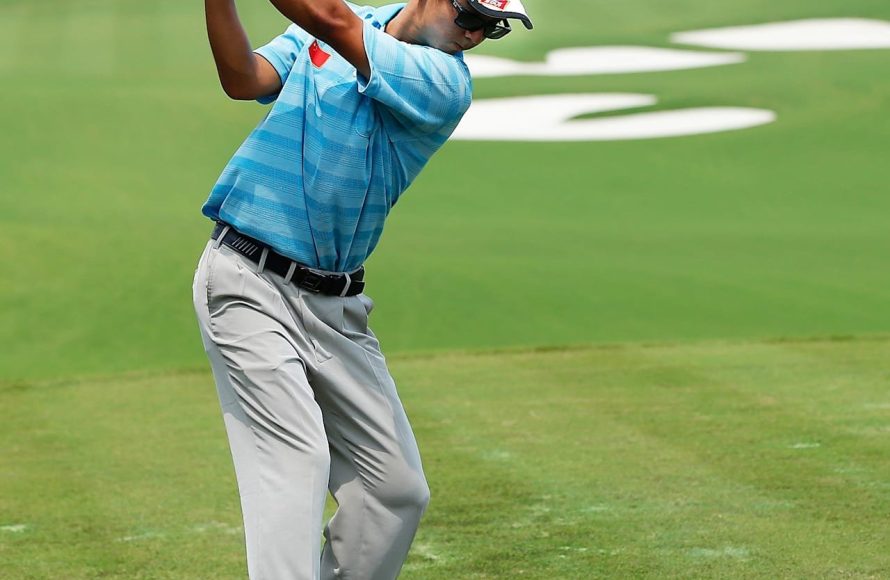
Golf is a sport because it requires physical exertion, skill, and competitive strategy.
The age-old debate, is golf a sport or game, continues to spark lively discussions among enthusiasts. Some view it as a relaxing pastime, while others see it as a demanding physical challenge. This complex nature often leads to a division in opinions.
Many argue that golf lacks the intensity of other sports. However, the precision and athleticism needed to consistently hit a small ball over long distances showcases its sporting aspects. The mental game of strategy and focus further solidifies its athletic nature.

Is Golf a Sport or Game? Delving Deep into the Debate
The age-old question, “Is golf a sport or a game?” sparks passionate debate among athletes, casual players, and spectators alike. It’s a discussion that touches upon our understanding of physical exertion, skill, competition, and the very definition of what constitutes a sport. We’re not here to declare a definitive winner today, but rather to explore all angles of this engaging topic. Let’s tee off and dive into the intricacies of golf and see what makes it so interesting!
Defining Sport and Game: The Starting Point
Before we can decide if golf fits into either category, we need to understand what we actually mean by “sport” and “game.” These terms often get used interchangeably, but they have distinct characteristics:
What is a Sport?
Generally, a sport involves physical activity and exertion. It often requires significant physical skill, training, and a high degree of athleticism. Sports usually involve competition, with clear rules and regulations, and are often undertaken for recreation or professional achievement.
- Physical Exertion: Think running, jumping, throwing, and other activities that require your body to work hard.
- Skill and Training: Sports require practice and learning to improve your technique.
- Competition: There’s usually a winner and a loser, motivating people to push their limits.
- Rules and Regulations: Every sport has rules that everyone must follow.
What is a Game?
A game is often defined as an activity done for fun or enjoyment, often with rules. It might have a competitive element, but it doesn’t necessarily demand the same level of physical output as a sport. Games can be physical, but often they are mental or a mixture of both. Games are often played at all levels of intensity.
- Fun and Enjoyment: The primary goal is often to have a good time.
- Rules: Games typically have some guidelines for play.
- Competition (Sometimes): Some games are competitive; others are more about participation.
- Mental or Physical: Games can exercise the mind, the body, or both.
So, where does golf fit into these definitions? Let’s look closer.
The Physical Aspects of Golf: More Than Meets the Eye
At first glance, golf might not seem like a strenuous activity. You’re not sprinting down a field or lifting heavy weights. However, don’t be fooled by the seemingly relaxed nature of the game; the physical demands are quite significant.
The Golf Swing: A Complex Movement
The golf swing is a highly technical movement that requires strength, flexibility, and coordination. It involves:
- Core Strength: Your core muscles power the swing and maintain balance.
- Leg Strength: Your legs generate the power to drive the club.
- Upper Body Strength: Your arms and shoulders play a vital role in controlling the club.
- Flexibility: The ability to rotate your body is essential for a good swing.
Even walking the golf course for 18 holes provides a great deal of exercise. Players carry their clubs and walk many miles, especially on hilly terrain. The combination of walking, swinging, and mental focus can be exhausting. Golf also requires hand-eye coordination and fine motor skills that are developed over time with consistent training.
Cardiovascular Benefits
While it may not be the same as running a marathon, walking a golf course can still provide cardiovascular benefits. The consistent walking over several hours increases heart rate and gets your blood moving. Golfing can contribute to overall fitness and wellness especially for older individuals. Moreover, the breaks between shots and the ability to set your own pace makes the game less strenuous compared to more intense sports.
Injuries in Golf
Like any physical activity, golf comes with its own risks of injuries. These injuries demonstrate that golf does have some aspects of physical demand that is comparable to a sport. Common injuries include:
- Back injuries: Due to the repetitive twisting motions of the swing.
- Elbow injuries (golfer’s elbow): Resulting from repetitive strain and poor technique.
- Wrist injuries: Often from impact with the ground or improper swing mechanics.
- Shoulder injuries: Caused by the rotational movement during swings.
The existence of these injuries supports the argument that golf is a physical activity and not just a leisurely game.
The Skill and Precision of Golf: A Mental Battle
Beyond the physical, golf demands a high level of skill and mental focus. It’s often said that golf is a game played in the mind. Strategic thinking, mental toughness, and discipline are key to success on the golf course.
Strategic Thinking
Golf is not just about hitting a ball as far as you can. It involves strategic planning at every hole. Golfers need to consider:
- Club Selection: Choosing the right club for the distance and lie of the ball.
- Course Management: Planning the best route to the hole, avoiding hazards.
- Wind Conditions: Adjusting your swing based on the wind.
- Terrain: Considering the slopes, bunkers, and water features.
This strategic thinking makes golf a mental challenge as much as a physical one. Each shot requires careful evaluation and planning.
Mental Toughness
Golf can be a very frustrating game. It’s a game of inches, and even the best players hit bad shots. Mental toughness is necessary for overcoming mistakes and staying focused:
- Resilience: Bouncing back from bad shots without getting discouraged.
- Focus: Concentrating on the present shot and not dwelling on the past or future.
- Patience: Understanding that improvement takes time and practice.
- Emotional Control: Managing frustration and staying calm under pressure.
These mental aspects of the game are essential for success. The ability to remain composed and make clear decisions is vital in golf.
Precision and Technique
Golf is a game of precision. A slight change in your grip, stance, or swing can drastically alter the ball’s trajectory. Perfecting the golf swing requires years of practice, training, and countless repetitions. This commitment to detail and precision is another characteristic of many traditional sports. Small errors often cause significant results, and learning how to make those precise changes to improve shots is part of the challenging beauty of the sport.
The Competitive Element: From Casual Rounds to Professional Tournaments
Competition is a key aspect of many sports. While golf can be enjoyed recreationally, it also has a strong competitive dimension. From friendly games with friends to prestigious professional tournaments, competition is a core element of golf at various levels.
Casual Competition
Even a casual round of golf with friends often has a competitive undertone. People keep score, place bets, and strive to play their best. While the stakes may not be high, the competitive nature of the game is still present.
Amateur Tournaments
Many amateur golfers participate in local tournaments, club championships, and other events. These competitions provide an opportunity to test your skills against other players in a more formal setting, making golf feel like a genuine sport for these players.
Professional Golf
Professional golf is a highly competitive world. Players compete in major championships like the Masters, the U.S. Open, and the Open Championship, with millions of dollars at stake. Professional golfers are among some of the best athletes in the world and the skill and physical conditioning needed to compete at the highest level make a strong case that golf is indeed a sport.
The Tournaments
The professional golf tours are highly structured and competitive environments. Events are held year round and top players have rigorous practice, training and travel schedules. The structure of the tournament series provides a way for players to constantly test their skills and see how they compare against others. These tournaments provide clear evidence of golf as a competitive sport.
Professional Golfers as Athletes
Professional golfers exhibit elite athletic qualities such as strength, stamina, and flexibility. Their training regimens often include weight lifting, cardiovascular exercises, and dedicated practice sessions. Their routines and commitment to fitness is similar to that of other professional athletes.
Golf and Physical Activity: Calorie Expenditure
Let’s delve a bit deeper into how physically demanding golf is, and one of the best ways to gauge that is to look at calorie expenditure. While it may not seem like a high-intensity activity, the average person can burn a significant amount of calories while golfing, especially if they walk the course. Consider that an average 18-hole round of golf takes about 4-5 hours. Depending on body weight, metabolism and walking, this can result in a calorie burn ranging from 1000-2000 calories. The calorie expenditure is a good marker of physical activity and can be compared to other popular sports.
Walking vs. Riding
The way you navigate the golf course has a big impact on the number of calories you will burn. Walking and carrying your own clubs will greatly increase your calorie burn when compared to taking a cart. This is why you’ll see many golfers at the amateur and professional level walk the course whenever possible.
Factors That Affect Calorie Burn in Golf
Several factors play a role in how many calories you burn playing golf:
- Your Weight: Heavier people tend to burn more calories.
- Pace of Play: A faster pace will result in more energy expenditure.
- Course Terrain: Hilly courses require more energy than flat ones.
- Carrying Your Clubs: Carrying clubs results in more calorie burn than using a cart.
Golf and the Definition of a Sport: Meeting the Criteria?
Let’s go back to our original definition of sport to see where golf fits in. We determined earlier that a sport typically involves physical exertion, skill, training, competition, and rules. Let’s analyze these further:
Does Golf Require Physical Exertion?
Yes, absolutely. As we’ve discussed, a golf swing requires strength, coordination and flexibility. Walking an 18-hole course is also a significant physical activity, with its own demands. The amount of physical output may be lower than some other sports, but it’s definitely present and an integral aspect of the game.
Does Golf Require Skill and Training?
Yes, golf requires considerable skill and training. The complex golf swing takes time to perfect, and golfers need to develop strategic thinking and mental focus to succeed. Hours of practice are necessary to improve your skills and lower scores.
Is Golf a Competitive Activity?
Yes, there are many opportunities for competition at all levels, from casual rounds to major professional tournaments. Whether you are a casual player or an elite golfer, the competitive element is ever present on the golf course.
Does Golf Have Rules and Regulations?
Yes, golf has a comprehensive set of rules and regulations that are followed worldwide. These rules help to create a fair and consistent playing field for all golfers. The strict rules set by the USGA and the R&A are well known in the golfing world and are important for the game. The adherence to rules sets it apart from other recreational activities.
The Social Aspect of Golf: More Than Just a Game
While competition and physicality are essential elements of golf, the social dimension is often underestimated. Golf has become much more than a solitary activity. It’s a way to connect with others, build relationships and enjoy the outdoors.
Networking and Business
Many business deals are struck on the golf course. The relaxed atmosphere and the several hours of a round give people plenty of time to build rapport. Golf often provides a more laid-back environment than a formal meeting and helps facilitate discussions and agreements. It is common for people to get together for rounds of golf as a way to build and grow both professional and personal relationships.
Social Interaction
Golf can be played with friends, family, or colleagues. This shared experience helps people bond, enjoy the outdoors, and develop a strong social connection. It allows for friendly competition and banter, which enhances social bonds between people.
Enjoying the Outdoors
Golf courses are often located in beautiful settings, with rolling hills, trees, and water features. Playing golf provides an opportunity to spend time outside, enjoy the fresh air, and appreciate nature. It can be a very relaxing and calming experience.
The Final Putt: A Synthesis of Sport and Game
So, is golf a sport or a game? The reality is that it’s a blend of both. It has the physical demands, skill requirements, and competitive elements of a sport, but it also offers the social, relaxing aspects of a game. The specific label ultimately depends on individual perspectives and interpretations of each term. There is no single right answer to the question. The core elements of golf point to it being more than a game, with its complex requirements for physical and mental strength.
Perhaps the most accurate way to view golf is as a sporting game. It requires athletic abilities while being primarily driven by the competitive element that is the central component of the definition of a sport. The combination of strategy, physical exertion, mental focus, and social connection is what makes golf the unique activity that so many people enjoy all around the world.
Rules of GOLF : How To PLAY GOLF : Golf Rules For Beginners EXPLAINED
Final Thoughts
Ultimately, the debate regarding ‘is golf a sport or game’ continues. Golf involves physical exertion and skill, yet it also possesses elements of strategy and leisure. The walking, swinging, and mental focus clearly require physical capabilities. It’s a unique activity combining athleticism with a recreational nature.
The need for precise movements and controlled swings adds to the sporting aspect of golf. The competitive element further blurs the lines. Therefore, the categorization remains subjective, depending on how one defines sport. ‘is golf a sport or game’ is a question of perception.

