
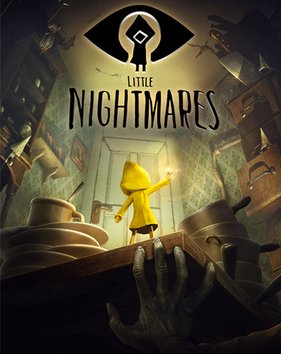
No, Little Nightmares is not an indie game; it was developed and published by Tarsier Studios and Bandai Namco Entertainment, respectively.
The eerie world of Little Nightmares captivates many players. The haunting atmosphere and unique puzzles draw gamers in. One common question arises: is Little Nightmares an indie game?
Many people wonder about its origins given its distinct style. The game has a smaller scale compared to major AAA releases. However, the specific answer is not what some might expect.

Is Little Nightmares an Indie Game?
Figuring out if a game is “indie” can sometimes feel like trying to solve a puzzle. It’s not always a simple “yes” or “no.” When we look at a game like Little Nightmares, the question pops up: is this spooky adventure an indie game? To answer this properly, we need to look at what makes a game indie in the first place and then see how Little Nightmares fits into that picture. Let’s jump in and explore the details!
What Makes a Game “Indie”?
The term “indie game” usually refers to video games created by individuals or smaller teams, often without the financial backing of big-name publishers. Think of it like a small, local bakery compared to a huge bread-making factory. Indie developers tend to have more creative control and often bring unique ideas to the gaming world. Here are some key characteristics that help us define an indie game:
- Development Team Size: Indie games usually have small teams, sometimes even just one person. This is different from huge game studios with hundreds of employees.
- Funding: They usually don’t have a big publisher putting up money. Indie games are often funded by the developers themselves, through crowdfunding (like Kickstarter), or by smaller investors.
- Creative Control: Indie developers have a lot of freedom to make the game they want. They are not as tied to what big publishers think will sell.
- Innovation and Uniqueness: Indie games often try new things. They aren’t afraid to experiment with different game mechanics, art styles, and storytelling methods.
- Distribution: Many indie games are sold digitally on online stores like Steam, Itch.io, or the Nintendo eShop.
Indie Games vs. AAA Games
It’s helpful to compare indie games to the big-budget, “AAA” games. AAA games, like the newest Call of Duty or Assassin’s Creed, have huge development teams, massive budgets, and the backing of large publishers. They often have very polished graphics and gameplay, but sometimes they might feel a little less daring or original because they’re trying to appeal to a very wide audience. Think of it as a blockbuster movie versus a small independent film; each has its own strengths and weaknesses.
Here’s a table to highlight some of the main differences:
| Characteristic | Indie Game | AAA Game |
|---|---|---|
| Team Size | Small (often less than 20) | Large (often hundreds) |
| Budget | Low | High |
| Funding | Self-funded, crowdfunding, smaller investors | Funded by large publishers |
| Creative Control | High | Lower (publisher input) |
| Risk Taking | High | Low |
Little Nightmares: A Closer Look
Okay, now that we understand what an indie game is, let’s bring our attention back to Little Nightmares. Little Nightmares is a puzzle-platformer horror game where you play as a small, raincoat-wearing child named Six who is trying to escape the Maw, a mysterious and nightmarish place. The game is known for its dark atmosphere, unsettling characters, and creepy world. So, how does this fit with our indie game definition?
The Development Team of Little Nightmares
The original Little Nightmares game was developed by Tarsier Studios, a Swedish game developer. While not a one-person team or tiny group, Tarsier Studios isn’t a massive corporation either. When Little Nightmares was in development, they operated more like a mid-sized studio. This already starts to lean toward the indie side of the spectrum.
Funding and Publishing
Here’s where it gets a bit more complex. While Tarsier Studios developed the game, it was actually published by Bandai Namco Entertainment, a much larger, well-known publisher. This is something that can blur the lines of being considered as pure indie. Many people will argue that a game can only be an indie game if the development and publishing are both done independently from a major publishing house.
So, while the development was certainly along the lines of an independent studio, the game did benefit from the backing of a major publisher. This is a very common scenario these days and is called “Indie Publishing”. It involves large companies publishing the work from an independent game developer.
Creative Control and Artistic Vision
Even with a publisher involved, Little Nightmares clearly showcases a very unique artistic vision and creativity. The game has a very distinct style, from its creepy character designs to its unsettling atmosphere. This originality in storytelling, world design and gameplay are the markers of an independent game. The developers had a clear vision and that’s what was brought to life in the game.
Innovation and Gameplay
Little Nightmares isn’t afraid to experiment with its gameplay. It features puzzle-solving, stealth mechanics, and moments that involve running and hiding. The way it mixes tension and exploration is very different from what you see in a typical AAA game. This type of innovative gameplay and storytelling, not always focused on big action or battles, is also a characteristic of an independent game.
The Debate: Is It Really Indie?
Here’s where the conversation gets interesting. It’s not just about checking boxes off a list. There is a very valid debate on whether Little Nightmares is really an “indie” game due to having a larger publisher handle the distribution and marketing of the game. Here are some of the angles:
Arguments For Indie Status
- Developer’s Background: Tarsier Studios, while not a single person, was a smaller studio with its own unique identity.
- Creative Freedom: The game’s distinct art style and gameplay suggest the developers had a lot of creative control over the final product.
- Unique Experience: The game offers a very different experience than most big-budget games.
- Independent Development: Even though the game was published by a major publisher, the game development was done independently and wasn’t a creation of the larger publishing company.
Arguments Against Indie Status
- Publisher Involvement: Bandai Namco’s involvement means it had a large company backing.
- Marketing Power: A major publisher would have more marketing resources, which is something that an indie game usually doesn’t have.
- Financial Backing: While not completely independent, Tarsier studios did have the financial security of publishing by a larger company.
The “Indie Spirit”
Sometimes, the term “indie” isn’t just about the size of the team or the publisher. It’s also about the “spirit” of the game. Many will argue that Little Nightmares does feel like an independent game even though it was published by a major house. It shares many characteristics with other known indie games, and this is something worth noting. Here is what we mean by the “Indie Spirit”:
- Passion: Indie games usually come from passion. The developers genuinely care about the game they are making. The unique elements of Little Nightmares suggests this passion was at the very core of the game creation process.
- Risk-Taking: Indie games are more likely to take risks and try new things, even if it means they might not be as popular. Little Nightmares’s overall design and gameplay makes it a perfect example of risk taking and independent creation.
- Connection with Players: Indie developers often have a closer relationship with their players. They listen to feedback and try to improve their games. Many will feel like Little Nightmares has that quality.
Why Does It Matter?
You might be thinking, “Okay, but why does it matter if Little Nightmares is an indie game or not?” Well, it affects how we see the game, and how it gets recognized in the gaming world. For one thing, indie games are often highlighted for their creativity and unique approach, which is something Little Nightmares definitely has. It also affects awards, and the way games are grouped, and how certain categories are defined. Also, it helps players to understand a bit better about the types of teams that work on each game.
Indie Game Communities and Recognition
There are many communities and awards that celebrate indie games. These are spaces where smaller teams that produce independent creations get more recognition and support. Being labeled as “indie” can be very helpful for any independent developer. These smaller teams work so hard to create something unique, so it is great that they can be highlighted in the industry.
The Evolving Definition of “Indie”
The line between indie and AAA games can blur more and more as time goes on. Many smaller developers are teaming up with larger publishers in order to have the necessary financial support to complete their game and reach a larger audience. Many people refer to this type of game as “indie published”. As games continue to evolve, the definition of “indie” might change and it could become more complicated to categorize the games.
So, is Little Nightmares an indie game? The answer isn’t a simple yes or no. It’s more complicated than that. While it was developed by a smaller team, it also had the backing of a large publisher. But, the spirit and creativity behind the game certainly echo the heart of many independent projects. It’s a game that stands out, no matter what label we put on it, and that’s what matters the most!
The key thing to remember is that many games exist in this gray area between being a completely independent game and a game created by a major publisher. These types of games can often create the perfect blend of indie creativity with the financial and logistical support of larger companies.
This FREE GAME is like Little Nightmares
Final Thoughts
Little Nightmares, with its unique art style and gameplay, showcases qualities of independent development. Tarsier Studios, the game’s developer, operated with a smaller team and creative freedom typical of indie projects. The game’s focus on atmosphere and puzzle solving further solidifies this idea.
Therefore, considering its development background and artistic approach, one can confidently say that is little nightmares an indie game. The game presents a distinct experience, aligning perfectly with what we expect from titles outside of major publishing houses.

