
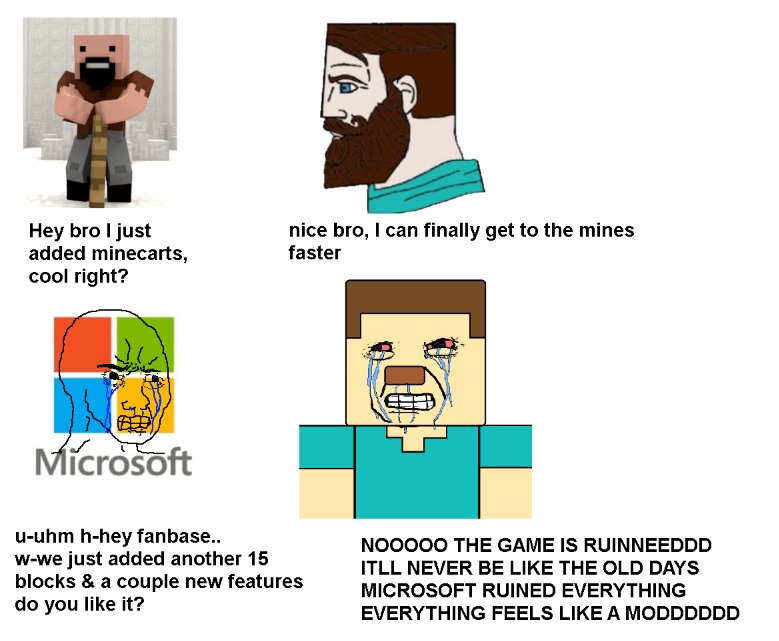
Yes, Minecraft began as an indie game, created by Markus Persson, before its acquisition by Microsoft.
The question of whether Minecraft fits into the “indie” category is one many fans ponder. Is minecraft an indie game, despite its huge popularity and the fact that it’s owned by a major corporation? It’s a fascinating case study, as its origins are rooted in independent development.
The game’s initial creation was by one person, Markus Persson, which is the hallmark of independent game development. That single person effort makes a big difference. The game’s evolution from humble beginnings is what makes the topic so relevant.

Is Minecraft an Indie Game? A Deep Dive
That’s a big question, isn’t it? Minecraft, the game where you can build anything you imagine, explore endless worlds, and fight scary monsters, is super popular. But is it an “indie” game? It might seem like a simple yes or no, but it’s actually a bit more complicated. Let’s dig in and figure out what makes a game “indie” and see if Minecraft fits the bill.
What Does “Indie” Even Mean?
First things first, what’s an indie game? The word “indie” comes from “independent.” It basically means the game is made by a small team, often without the backing of a big company or publisher. These teams usually have more freedom to do what they want, because they’re not under the control of some big boss at a big studio.
Key Characteristics of Indie Games
- Small Teams: Indie games are generally created by a few people, sometimes even just one person!
- Independent Funding: They often use their own money or find other ways to pay for the game’s development, like crowdfunding.
- Creative Freedom: Indie developers can be more experimental and try new things, without worrying as much about what’s already popular.
- Unique Vision: They usually have a special, unique idea they want to bring to life.
- Lower Budgets: Indie games usually don’t have the same huge money behind them as big-studio games do.
Think of it like a small family restaurant versus a giant chain. The family restaurant can try out new recipes and decorate how they want, while the big chain has to stick to a set menu and style. That’s kind of how it is with indie games.
Minecraft’s Humble Beginnings
Now let’s look at how Minecraft started. Minecraft was first created by one person, Markus “Notch” Persson, in 2009. He worked on it in his free time, and it didn’t have a big budget. He was essentially working all by himself on his personal computer and put it out there. It was just a simple creative game that he thought would be fun to make.
Early Development
- One-Person Project: Initially, Markus Persson was the sole creator, handling all coding, design, and implementation.
- Independent Release: Notch released Minecraft in an early alpha version on his own website. There was no big publisher involved.
- Word-of-Mouth Growth: The game gained popularity mostly through word-of-mouth, online forums and simple sharing among friends.
- Experimental Gameplay: The early stages of Minecraft were very experimental, changing based on player feedback and what Notch wanted to try next.
This is a classic example of what makes a game indie! Minecraft wasn’t made in a big studio, wasn’t backed by a big company, it was just Markus Persson, making a game that he enjoyed and putting it out there for the world to see.
The Turning Point: Acquisition by Microsoft
Here’s where things get more complicated. As Minecraft became more popular, more people joined the team to work on it. Then, in 2014, Microsoft bought Minecraft and its developer, Mojang, for a huge amount of money. This changed everything for Minecraft.
Impact of Microsoft Acquisition
- Shift to a Larger Team: After the Microsoft acquisition, Minecraft’s development team grew significantly.
- Increased Budget: Development of Minecraft could use the money and resources from Microsoft.
- Broader Reach: Minecraft became available on more platforms and got massive marketing push that smaller indie teams could not dream of.
- Focus on Multiple Platforms: Microsoft helped bring Minecraft to more platforms, including consoles and mobile devices.
This is where the lines get blurry. When a small game becomes part of a massive corporation, does it still count as indie?
So, Is Minecraft Still “Indie”?
This is a tricky question, and there isn’t one perfect answer. Here’s how we can look at it:
Two Ways to Think About It
Let’s look at two different ways to think about Minecraft’s indie status:
The “Once Indie, Always Indie” Argument
Some people argue that because Minecraft started as an indie game, it will always have that indie spirit. The game’s unique design and creative gameplay remain, even with Microsoft’s involvement. They say the roots of a game matter and that Minecraft’s history makes it an indie game at heart.
The “Current State” Argument
Others argue that because Microsoft now owns and controls Minecraft, it no longer counts as an indie game. They believe that any game owned by a big company, with a large team and budget, can’t be called indie. They look at the game’s current state and say it is now a “AAA” game.
The Table of Comparison
| Feature | Minecraft (Early Days) | Minecraft (Today) |
|---|---|---|
| Development Team Size | 1 (Markus “Notch” Persson) | Large team of developers, designers, and more |
| Funding Source | Personal funds/Early Sales | Microsoft’s financial backing |
| Creative Freedom | High, mostly independent decision-making | More structured with input from Microsoft |
| Marketing and Reach | Primarily word-of-mouth, internet forums | Massive marketing campaigns, global reach |
| Distribution | Personal website initially | Major digital stores, physical releases |
| Budget | Low | Very high |
| Ownership | Independent | Owned by Microsoft |
The “Indie Spirit” vs. “Indie Status”
Maybe instead of worrying about whether to label Minecraft as indie or not, we should think about the “indie spirit.” Indie games are more than just about who made them and how much money they have. They have creativity and passion behind them. Minecraft definitely has that, and maybe that’s what is most important.
The Lasting Influence of Minecraft’s Indie Roots
- Innovation and Experimentation: Even with its growth, Minecraft still retains the innovative and experimental spirit of its early days. Updates often add new and unique game features.
- Community Focus: The game has always had a strong relationship with its community and listens to fan feedback, just like many indie game developers do.
- Modding and Creativity: Minecraft’s open nature allows for lots of user-generated content through mods and resource packs, a hallmark of many indie games.
Why Does It Matter?
Does it even really matter if Minecraft is an indie game or not? It might seem like a silly question. Well, labels help us understand things, and knowing what we mean by “indie” helps support smaller game studios. When people say a game is indie, they often think it has a certain kind of creativity, unique design, and developer passion. These factors help the game gain popularity and attention in the gaming community.
Supporting Indie Game Development
Independent game development is important for several reasons:
- New Ideas: Indie developers often bring fresh and new ideas to the gaming world. They take risks that bigger studios might not.
- Diverse Game Experiences: Indie games offer different kinds of experiences that you might not find in big-budget titles.
- Supporting Small Businesses: Buying indie games is like supporting small businesses. The money often goes directly to the people who make the game.
- Passion Projects: Indie games are often made with lots of passion and care, resulting in unique and engaging experiences.
So, understanding what an indie game is, helps us support independent developers and their passion projects. By supporting these kinds of projects, we can get new games, and we can also make the gaming community grow even more.
Minecraft: A Bridge Between Two Worlds
Maybe, instead of trying to put Minecraft in a box, we should see it as a bridge. It started as a small indie game and became something bigger, but it still has the creativity and unique appeal that made it popular in the first place.
Minecraft’s Legacy
- Inspiring Other Indie Developers: Minecraft’s story has inspired many other indie developers to pursue their dreams and make their games.
- Showcasing Indie Potential: It showed the world how successful and important indie games can be.
- Blending Independence with Mainstream Success: It became a symbol of what an independent game can become.
Minecraft shows that a game can come from humble beginnings and grow into something huge, while still keeping some of its original spirit. It reminds us that games can be both creative and successful.
So, is Minecraft an indie game? It’s complicated, right? It has indie roots, but now it has the backing of Microsoft. Whatever label you want to give it, one thing’s clear: Minecraft changed the world of gaming. It has the heart of an indie game while living as a mainstream giant. And that’s pretty cool!
Minecraft is the most important game of the decade
Final Thoughts
Minecraft’s early development fits the indie model, created by one person with limited resources. Initially distributed independently, it lacked publisher support. The game’s huge success complicates simple categorization.
Today, Microsoft owns Minecraft, a factor that moves it away from the typical indie definition. Minecraft’s journey from a small project to a global phenomenon is a story of its evolution, so is minecraft an indie game is a complex question. Despite its roots, its current status is not indie.

