
Whether a game is considered “woke” depends entirely on individual perspectives and interpretations of its content.
The question, “is my game woke,” pops up constantly in online gaming discussions. It’s a loaded question, really, because “woke” means different things to different people. Some will consider it a sign of inclusivity, while others view it as unnecessary political intrusion in entertainment.
Often it revolves around representation, storylines, or certain themes presented within the game. The presence of diverse characters or narratives exploring social issues can trigger this debate. Ultimately, the answer varies depending on your specific criteria and point of view.

Is My Game Woke?: Diving Deep into Representation and Inclusion
So, you’re wondering, “Is my game woke?” It’s a question many developers and players are asking these days. The term “woke,” originally meaning being aware of social injustices, has become a hot topic, especially in the world of gaming. It often gets tangled up with ideas about diversity, representation, and inclusion. It’s not always simple to tell if a game fits into this category, and often, it depends on who you ask and their personal perspectives. Let’s break down what people usually mean by a “woke” game, how it shows up, and what makes a game feel inclusive or not.
What Exactly Does “Woke” Mean in Gaming?
When people talk about a “woke” game, they generally mean that the game includes elements that are often overlooked or excluded in traditional media. This includes:
- Diverse Characters: Having characters from different backgrounds, races, genders, sexual orientations, and abilities. It’s not just about having these characters present, it’s also about portraying them in a nuanced and respectful way.
- Challenging Stereotypes: Avoiding the use of harmful stereotypes that can misrepresent certain groups of people. It means moving past tired tropes and offering fresh, unique personalities.
- Social Commentary: Some games explore real-world social issues, such as inequality, discrimination, or climate change, making players think about these topics in a new way.
- Inclusive Language: Using respectful language and avoiding phrases that might be offensive or alienating to certain groups.
It’s important to note that what one person considers “woke” might be different for someone else. Some people see these elements as positive changes that make games more welcoming. Others might see them as unwanted additions that make a game feel “preachy” or “political.” The reality is that many people have their own definition based on their backgrounds, experiences and beliefs.
Key Indicators of Inclusion and Representation
Character Creation
The character creation process is often one of the first areas players encounter representation. A game that embraces inclusion might offer:
- Wide Range of Skin Tones and Hair Options: Moving beyond a few standard choices to allow for genuine diversity.
- Body Type Options: Not every character is built the same; allowing for a variety of body shapes is important.
- Gender Options: Providing options beyond just male and female, or allowing for characters who can choose their pronouns.
- Customization: Allowing the player to tailor the look of their character to make them feel like their avatar on the screen.
Character Portrayals
Beyond the character creation screen, how characters are written and portrayed matters significantly.
- Avoiding Stereotypes: Ensuring characters aren’t simply caricatures based on their background, but are complex, well-rounded individuals.
- Authenticity: Consulting with people from different backgrounds to make sure portrayals are accurate and respectful.
- Agency: Giving diverse characters the same level of power and importance as any other character in the game.
- Avoiding Tokenism: Making sure diverse characters are not just there to fill a quota, but play a meaningful role in the story.
Narrative and Themes
The stories that games tell can have a significant impact on how people see the world. A game that is socially conscious might include:
- Exploration of Social Issues: Tackling topics like prejudice, inequality, and environmental concerns, offering players a new perspective.
- Challenging Traditional Norms: Questioning the typical hero and villain stories, and exploring different types of conflict and resolution.
- Diverse Perspectives: Allowing the player to see the story through different character’s eyes, giving a broader and more detailed look at the overall narrative.
Language and Dialogue
The way characters speak, and the words that are used throughout the game, are very important in making it welcoming. Considerations include:
- Avoiding offensive language: Ensuring the game does not use language that could be harmful to any particular group of people.
- Using inclusive language: Using language that is respectful and welcoming to all players.
- Proper Representation: Using language that is reflective of the character’s background and personality.
The Other Side: Concerns and Criticisms
Not everyone is a fan of elements that can make a game feel “woke.” Some common criticisms include:
Forced Diversity
Some players worry that developers might include diverse characters or storylines just to appeal to certain audiences, rather than allowing those elements to occur organically within the game’s narrative. They feel this can come across as inauthentic or as an attempt to satisfy specific agendas. It can also break the immersive nature of the game’s world, making the player wonder whether characters were created for story purposes or for diversity reasons. They think it makes the game less enjoyable.
“Preachy” Storytelling
Some think that games that focus heavily on social issues can feel like they are lecturing players rather than letting the story unfold naturally. This might make the player feel as if they are being lectured, and not enjoying the game for what it is. Some prefer games that focus purely on fun and challenge rather than delivering a lesson, and sometimes this can be misconstrued as one and the same.
Altering Established Lore
Some fans are upset when games change aspects of existing stories or characters to be more inclusive. While some changes are harmless and needed, some long-time fans may find those changes disrespectful. This often creates heated debates, and makes it difficult to tell what changes need to be done, and what changes are unnecessary or detrimental. It is a fine line to tread, to both be inclusive and cater to existing fanbases.
Ignoring the Fun
Some argue that some games have become so focused on including social messages that they have ignored what really matters, the fun. This argument is mainly based around the fact that games are a form of entertainment, and this is often at the top of the priorities. Players may feel that if developers are focusing too much on diversity, they are neglecting other aspects such as the gameplay, the story and game systems.
Is There a Right Way to Be “Woke”?
The tricky thing is, there’s no universal definition of what it means for a game to be “woke.” There isn’t a perfect way of being inclusive, and often, it’s about trying to do the best you can. Here are some thoughts for how developers can think about this topic:
Authenticity is Key
It is essential to create characters that are more than just boxes that need to be ticked. When diversity and inclusion are organic to the story, it makes a game feel more natural. This is much better than forcing characters into certain roles simply for representation’s sake.
Listen to the Community
It is very important to pay attention to what players are saying, both positive and negative. Feedback, especially from underrepresented groups, can be very helpful in understanding what is being done well and what areas can be improved upon. The goal is to make a game that resonates with players, so feedback is a gold mine of information, especially if the goals is to improve representation and inclusion.
Focus on Nuance
Avoid overly simplistic portrayals of complex issues and characters. Instead, create situations with multiple layers and stories that allow characters to show a full range of emotions and behaviors. It can also help to show the perspective of multiple characters to avoid the impression of one-dimensional stories.
Remember the Fun
It’s important to remember that games are still entertainment. Don’t let social issues overshadow the joy that games are supposed to bring to their players. Strive to create an experience that is both meaningful and enjoyable.
Examples of Games That Spark the “Woke” Debate
Many games have sparked discussions about representation and inclusion. Here are just a few examples:
The Last of Us Part II
This game received a lot of attention due to its diverse cast of characters, including LGBTQ+ characters and a focus on empathy. The game’s narrative made some players very uncomfortable as it made them question their own choices. Some criticized the game for pushing its messages too hard, while others praised the game for being brave and different.
Life is Strange Series
Known for its realistic portrayal of teenage life, including its diverse cast of characters and focus on topics like sexuality, mental health, and bullying. The series is well-known for the inclusion of multiple types of characters, making it easy for many players to find someone they can relate to. It also has numerous complex stories about the characters, making them feel like they are real.
Assassin’s Creed Valhalla
This game allowed players to choose to play a male or female version of the main character, Eivor. It also featured some same-sex relationship options. For some, this made the game more inclusive. For others, it felt forced and unnatural to the setting. It is a great example of a game with inclusion that has drawn criticism.
So, is Your Game Woke?
Ultimately, the answer to this question depends on your own perspective and the elements in your game. It’s less about whether a game is “woke” and more about whether it creates an environment that is respectful, diverse, and enjoyable for everyone. Think carefully about your characters, your story, and the messages you are sending with your game. Are you creating a world where everyone feels they can belong? That’s the real question.
Being “woke” in gaming shouldn’t be about ticking boxes. It should be about making a game that reflects the world in all its diversity and complexity. It should be about crafting rich stories that give players new perspectives and make them feel included. It’s about being thoughtful, respectful, and always striving to create better gaming experiences for everyone.
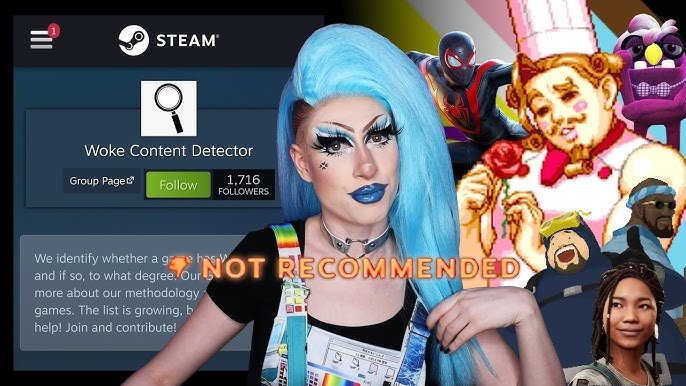
I Checked If My Games Are Too "Woke"
Final Thoughts
Ultimately, the answer to “is my game woke” depends on your definition. Some consider representation essential. Others prioritize engaging gameplay over anything else.
Consider the content and intended message of your game critically. Does it promote inclusivity or perpetuate stereotypes?
The debate around “wokeness” will likely continue. The important thing is that you create the game you want to make, with intent.

