
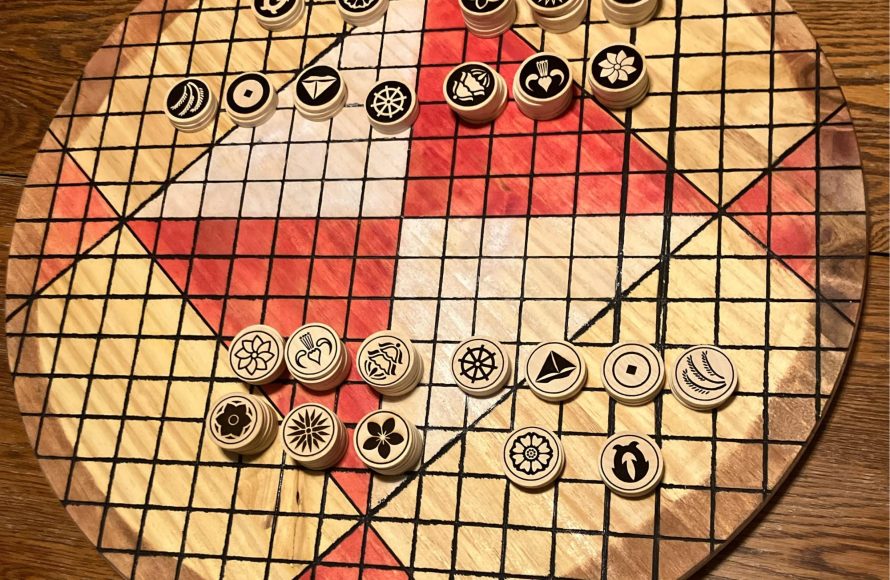
Pai sho is not a real game; it is a fictional game created for the Avatar: The Last Airbender universe.
Ever found yourself wondering if a game you saw on screen actually existed? Many fans of Avatar: The Last Airbender have asked, is pai sho a real game? This intricate-looking board game has captured imaginations, with its beautiful tiles and strategic possibilities.
The show portrays it as a complex game of skill and chance enjoyed by many characters. But despite its allure and fan-made attempts to recreate it, pai sho is entirely a creation of the show’s writers. It lives only in the animated world.

Is Pai Sho a Real Game? Unraveling the Mystery
Okay, so you’ve probably heard the buzz about Pai Sho, right? Maybe you saw it in that awesome animated show, Avatar: The Last Airbender, or maybe someone at school mentioned it. It looks super cool with all those colorful tiles and complex strategies. But the big question is, is Pai Sho actually a game you can play in real life? Let’s dive deep and figure this out together!
The Avatar Connection: How Pai Sho Became Popular
Let’s face it; a huge part of Pai Sho’s popularity comes straight from the world of Avatar. The show features this captivating game played by characters like Uncle Iroh. It’s portrayed as a game of great strategy, where skilled players can predict their opponents’ moves far in advance. This gives the game an air of mystery and makes fans curious to learn more. The way the characters in the show talk about the game – the focus, the thought they put into each move – makes Pai Sho seem like something truly special and worth trying. The series does a fantastic job showing how integral Pai Sho is to the culture of the Avatar world. It’s not just a game; it’s a way to connect, learn, and show cleverness.
The Fictional Roots of Pai Sho: A Game Created for a Story
Now, here’s the thing to remember: the Pai Sho we see in Avatar is, first and foremost, a fictional game. The creators of the show, Michael Dante DiMartino and Bryan Konietzko, designed it specifically for the show’s world. They didn’t pull it from some ancient archive or real-world game. They made it up to be an integral piece of the world they had created. This means that the exact rules, pieces, and gameplay that you see on TV don’t exist in a standardized, commercially available format. The game’s visual representation and rules are creations of the show’s writers and artists, meant to enhance the storytelling. This explains the reason why you won’t find Pai Sho being played at your local game store.
Real-World Pai Sho Adaptations: Fan Creations and Interpretations
But just because Pai Sho wasn’t a real game originally, doesn’t mean it hasn’t become one. The incredible popularity of Avatar spawned a huge community of dedicated fans who were just as fascinated by Pai Sho as the show’s characters. These creative fans took the show’s inspiration and actually designed several playable versions of the game. So, in a way, Pai Sho has become real through the dedication and ingenuity of its fans. There are many versions with different rulesets and designs. While they each take inspiration from the show, the exact rules and pieces can change a lot from one version to another. Think of it like this: if someone read a book about a made-up sport and then tried to create a real-world version, there would be many variations of the ‘sport’ that may have similar core concepts but varied interpretations.
Pai Sho Variations: Exploring the Diverse Landscape
Since the creation of fan-made versions, numerous different takes on Pai Sho have appeared. Some of the versions attempt to stay as faithful as possible to the show, while other versions use the shows version as a basic foundation. Here are some of the most common adaptations of Pai Sho:
- The Skud Pai Sho Variant: One of the earliest and most popular fan interpretations. This version attempts to follow most of the clues that are given in the show regarding gameplay, especially regarding the movement of the tiles on the board. It uses a circular board, different kinds of tiles with different values, and has unique movement capabilities for each type. This variation provides a balanced mixture of abstract strategy and a logical approach.
- The Garden Pai Sho Variation: Inspired by the episode where Iroh plays Pai Sho in his garden, this version of the game focuses on a more thematic approach. The board may include garden-themed features, and the tiles may be linked to different plants or natural elements. This version of Pai Sho often emphasizes the aesthetic of the game as much as the strategic aspects. Many consider the garden version to be more of an artistic representation of the game, with a focus on the visual appeal of the board and the pieces.
- The Online Pai Sho Versions: The existence of online gaming spaces has allowed the creation of virtual Pai Sho games. These online versions provide the best way for people to play the game with others who they may not be able to otherwise. These online variants often have the most diverse rule sets, which allow for a much more varied experience. You’ll find different rules that are either faithful to the original or are very unique. This makes the online Pai Sho community the most varied in terms of gameplay experiences.
Key Elements of Most Pai Sho Adaptations
Although various versions of Pai Sho have sprung up in recent years, many of them share similar elements. Many of the variants include these main elements:
- The Game Board: Most versions feature a central board. Often, the board is either circular, hexagonal or a square, and sometimes features a grid pattern.
- The Tiles: The tiles are usually flat, and often come in a variety of colors and symbols. Different symbols usually signify different pieces with different functions in the game. Some variations of the game call the different symbols “flowers” or “elements”. These tiles could be made of wood, plastic, or even cardboard.
- The Gameplay: The goal is usually to strategically move tiles around the board, capture opponent tiles, and position your own pieces to gain an advantage. Most of the game focuses on outmaneuvering your opponent, and having great foresight to move your tiles effectively. Each variation of the game has its own specific rules regarding the movement and capabilities of each tile.
Why Pai Sho Resonates: The Appeal of Strategy and Culture
Why are so many people drawn to Pai Sho? It’s not just because of the show. The game taps into something deeper. People appreciate the blend of strategy, the idea of thoughtful planning, and the challenge of anticipating your opponent’s actions. It’s the kind of game where your decisions matter, and you need to think several steps ahead. This aspect is very similar to games like chess or go, where strategic planning is a core feature of the game. Plus, the game’s link to the culture of Avatar, even in the fictional world, provides another layer of meaning. It feels like you’re tapping into something bigger than just a game; you’re connecting to the spirit of the Avatar world. It’s why many fans are drawn to play Pai Sho in real life, as an immersive experience of a fictional game.
Learning to Play: Finding Resources and the Community
If you’re interested in diving into Pai Sho, you’re in luck! Because of its fan base, there are multiple ways to learn and start playing. Here’s how to get started:
- Online Communities and Forums: A great way to start is by joining online communities. Forums like Reddit and Discord have many active Pai Sho fan groups where you can ask questions, share your experiences, and find people to play with online. These are great spaces to learn the rules, and get tips and tricks from experienced players.
- Online Pai Sho Websites: Several websites specialize in providing an online space to play the game. Many of these websites provide all the rules and information on how to play the game, and have a system of matching you with people from around the world, so that you can play Pai Sho whenever you want.
- Printed Rulebooks and Guides: Some fans have created extensive rulebooks and guides, providing detailed descriptions of different Pai Sho variants, along with strategies, and tips. Often, fans share these resources online. So with some searching, you can find guides created by experienced players that can be extremely helpful for beginners.
- DIY Pai Sho Sets: If you have some creativity and crafty skills, you can even create your own Pai Sho set. You can find tutorials online for making tiles using cardboard, wood, or even clay. This is a fun and personal way to begin your Pai Sho journey. Making your own game set not only enhances the gaming experience but also makes you feel more involved in the game itself.
Choosing a Pai Sho Variant: Which is Right for You?
With so many Pai Sho variants, you might feel overwhelmed with where to start. Here are some key considerations to help you choose:
- Complexity: Some variants are more complex than others, with more intricate rules, and unique pieces. If you are a beginner, starting with the simpler rulesets is best. If you enjoy strategic and complex games, you may want to jump right into a more complex variant.
- Accessibility: Online versions are the most accessible as they don’t require the purchase of a game set or creation of one. However, if you wish to play physical versions of the game, then you may wish to find a variant that has an easy to create or purchase game set.
- Community: Certain variants are played more than others. So if your intention is to play the game with others, it might be better to choose a variant that is more popular. The larger the community, the more resources and players you will have to play with.
- Personal Preference: Ultimately, the best variant is the one you enjoy playing the most. Try out a few and see which ones capture your interest and provide the kind of gaming experience you seek. Some people prefer the more traditional variants, while others prefer the versions that add their own twist on the game.
The Future of Pai Sho: Fan Evolution and Growing Popularity
Even though it began as a fictional game, Pai Sho has evolved into a real gaming community that continues to grow. As more and more people are introduced to the game, fan-created variants will continue to develop and expand, introducing even more creative gameplay experiences. The future of Pai Sho is really in the hands of the fans, and that’s a good thing because the community’s dedication, coupled with their creativity, continues to keep Pai Sho alive and relevant. It’s proof that a game, originally created for a story, can take on a life of its own.
So, to answer the big question, “Is Pai Sho a real game?”, we can confidently say yes, in a way. The version from Avatar doesn’t exactly exist in a ready-made format, but the dedication of the fan community has created numerous versions that are playable, engaging, and strategic. It is a testament to the power of storytelling, creativity, and the passion of the fans who decided to make something fictional into something real. So grab a board, gather some tiles, and start playing; you might just find your new favorite game!
How to Play the Ancient Game of Pai Sho
Final Thoughts
Pai Sho, as portrayed in Avatar: The Last Airbender, is not a playable game in real life. While fans have created many interpretations, there’s no official, universally accepted version. Some individuals enjoy fan-made adaptations but they differ significantly.
Therefore, the answer to the question ‘is pai sho a real game’ is no. It exists only as an idea. The fictional pai sho game is fascinating, but we must realize its origins.

