
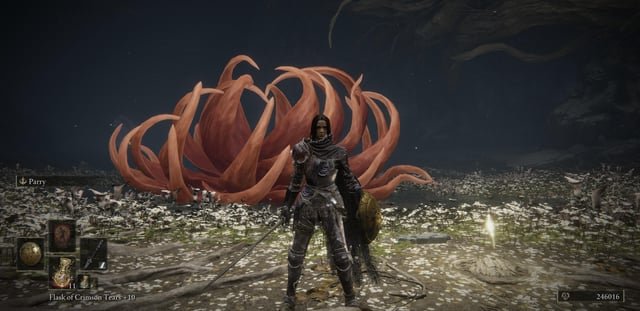
Parrying is generally not considered cheesing in FromSoftware games; it’s a core mechanic, though it can trivialize some encounters.
The debate rages on: is parrying considered cheesing in FromSoftware games? Some players feel it’s an intended, skillful way to conquer challenges. Others see it as a shortcut, bypassing the intended difficulty curve. This difference in opinion highlights a key element of FromSoftware design.
The games are designed with multiple approaches in mind, parrying being just one. Exploiting the game’s systems, even very effectively, isn’t inherently “cheesing” if it follows the rules. It’s simply another way to play.

Is Parrying Considered Cheesing in FromSoft Games?
Okay, let’s talk about parrying in FromSoftware games. You know, those tense moments where you’re facing down a huge knight or a creepy monster, and you manage to deflect their attack with a well-timed tap of your shield or weapon? It feels awesome, right? But some players wonder if it’s actually a “cheap” tactic, or what gamers often call “cheesing.” Let’s dive into what parrying really is, how it works in games like Dark Souls, Bloodborne, and Elden Ring, and whether using it makes you a parry pro or a cheese master.
Understanding Parrying Mechanics
First things first, what even is parrying? In most FromSoftware games, it’s a defensive move where you try to deflect an enemy’s attack just before it hits you. This isn’t just about blocking; it’s about timing it perfectly. If you get the timing right, you’ll create an opening for a critical hit, sometimes a really powerful one. This is called a riposte. Each game has its own timing for parrying, and some even have different types of parries. Let’s look at some specific examples:
Parrying in Dark Souls Series
In the Dark Souls series, parrying is done with a shield or specific parrying weapons like small shields or certain curved swords. You press the parry button, and if you time it well, you deflect the incoming attack. The enemy will stagger, giving you that precious opportunity for a riposte. But be careful! If you misjudge the timing, you’ll get hit and could get into trouble. Dark Souls parries can be a bit tricky to learn, with each weapon type having slightly different timing.
- Shield parries are the most common.
- Small shields tend to have larger parry windows but less stability for blocking.
- Some weapons allow parrying, often with a unique animation.
The parry window—the short amount of time you need to press the parry button—is not the same for all attacks and shields. This means that learning each enemy’s attack patterns is key to successful parrying.
Parrying in Bloodborne
Bloodborne changes things up by using guns for parrying. Instead of a shield, you fire your pistol just before an enemy’s attack lands. When a parry is successful, you can move in for a visceral attack, which is similar to a riposte. The timing in Bloodborne can feel a bit more lenient than Dark Souls, but you still need to practice. Bloodborne focuses much more on quick, aggressive combat, and the parry mechanic supports this style.
- Firearms are used for parrying.
- Successful parries create openings for visceral attacks.
- Parry windows can vary between enemies.
Parrying in Elden Ring
Elden Ring brings back the shield parry but adds some extra complexities. Some shields and weapons have unique parrying skills, and different enemies may be easier or harder to parry. What’s new is that a successful parry can sometimes cause enemies to lose balance, even if it doesn’t allow a riposte, making it a helpful technique for all types of encounters. While the game has a wide variety of defensive options, parrying still remains a powerful tool for skilled players. The variety of shields in Elden Ring, with each one having unique timings or benefits to its parry, keeps it very interesting.
- Shield parries return, with variations on different shield types.
- Weapon skills can influence the parry timing and effectiveness.
- Some parries can cause a stagger that doesn’t enable a riposte, but still can be advantageous.
Is It Cheesing or Skill?
Here’s the big question: does parrying count as “cheesing,” or is it a legitimate game mechanic that requires skill? The answer isn’t a simple yes or no. Let’s break it down:
Argument Against Parrying as Cheesing
Some players consider parrying “cheesing” if you rely solely on it to defeat enemies, ignoring other combat options. For example, if there’s an enemy with a predictable attack pattern that can be easily parried, some would say constantly parrying it until it’s defeated is taking an unfair advantage of a predictable system. This can reduce the feeling of accomplishment. Some arguments are:
- Repetitive Gameplay: Focusing only on parrying can become repetitive and feel less engaging.
- Exploitation: If an enemy has a very easy-to-parry attack pattern, it can feel like exploiting a weakness.
- Lack of Variety: Ignoring other combat techniques, like dodging or strategic spellcasting, can limit gameplay variety.
Arguments For Parrying as Skill
On the other hand, many view parrying as a core mechanic, that requires real player skill. It takes time to practice, and players need to learn the timing of each enemy’s attacks. It’s not just a button mash; you must know when to press the button. This requires real understanding of enemy behaviour. The argument for this perspective is :
- Timing and Precision: Parrying requires precise timing. Miss the window, and you get hit hard.
- Enemy Knowledge: Successful parrying means learning enemy attack patterns. It’s not random luck.
- Risk/Reward: There is always a risk of messing up your timing and getting hit, making it a high risk, high reward mechanic.
- Part of the Design: It’s clear that the game developers designed parrying as a valid combat technique.
The Context Matters
Whether parrying is considered “cheesing” can depend on the specific situation and personal preferences. Here are some points to consider:
When Parrying Might Feel Like Cheesing
Let’s look at situations when parrying might feel a bit cheesy:
- Boss Fights: Sometimes, a boss might have a very simple, easy-to-parry attack. If you just stand and parry over and over to win, it can make the fight feel less challenging and somewhat cheap.
- Specific Enemies: Certain enemies might have predictable attacks that are extremely easy to parry. Overusing it could make the encounter very simple.
- Exploiting Timing Issues: In some situations, players may find a trick to parry an enemy by taking advantage of timing issues, sometimes known as “frame perfect” parries which are not a true reflection of intended gameplay.
When Parrying Is a Display of Skill
Here are times when parrying shows player skill and technique:
- Difficult Enemy Attacks: Successfully parrying a fast, complex attack is definitely a sign of skill and mastery.
- Combining Techniques: Skilled players use parrying as a part of a wider range of techniques, like dodging, running, and weapon arts.
- Adaptability: Knowing when to parry and when to use other defensive options shows a greater depth of understanding of the game.
Community Perspectives on Parrying
The gaming community is divided on whether parrying is “cheesing” or a display of skill. Many believe that it is a core component of FromSoftware games which should be used to its full extent. Here’s a look at common points of view:
The ‘Git Gud’ Mentality
Some players feel that if a mechanic is in the game, it’s fair game. They say if you can learn how to parry well, then you’ve earned your win. This mindset encourages players to learn and adapt to the game’s mechanics.
The Fairness Debate
On the other side, there are players who think relying too much on parrying is unfair, as it doesn’t always promote a variety of combat approaches and may reduce the overall challenge of the game. They feel that certain bosses and enemies are designed to require more than just parrying to defeat.
Embracing Variety
The common ground is to use all the tools the game provides. This means parrying when needed, but also dodging, using special skills and spells, and exploring all the combat options the games offer. Using the right techniques at the right time is the most rewarding playstyle.
Is Parrying the “Right” Way to Play?
Ultimately, there is no “right” way to play these games. They’re designed to allow different styles, and what feels fair to one player may feel cheesy to another. Using parrying is definitely not wrong, but it’s important not to rely on it too much. It’s part of a bigger set of combat techniques. A well-rounded player knows to use all of the tools that are available. The most important thing is to play in a way that is enjoyable for you, and that allows you to conquer the challenging worlds that FromSoftware creates. Parrying is a tool and one of many in the toolbox to help you succeed.
In the end, whether you view parrying as a powerful skill or a cheap tactic is subjective. There are arguments to be made on both sides. However, there is no denying the level of skill and dedication required to master the parry technique in any FromSoftware game. It’s about finding the playstyle that suits you best. Whether you’re blocking, dodging, parrying, or spellcasting, each approach has its place in these challenging but rewarding games. So, keep exploring, keep practicing, and most importantly, keep enjoying your journey through the challenging world that FromSoftware has created for us. And maybe try parrying a few attacks along the way!
parrying the only enemy in sekiro that can't be parried
Final Thoughts
Ultimately, whether parrying qualifies as ‘cheesing’ in FromSoftware games is subjective. Some players view it as skillful execution of a mechanic, integral to gameplay. Others consider it an overly effective method to trivialize certain fights.
The debate around ‘is parrying considered cheesing in fromsoft games’ persists because it often renders some encounters significantly easier. A fundamental game mechanic, it is still a choice made by players.

