
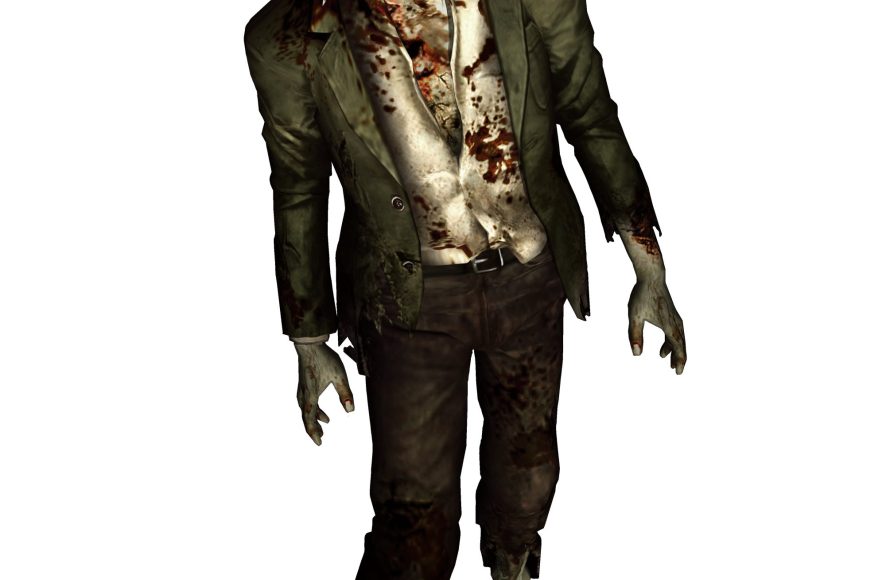
Resident Evil features zombies, but it’s more accurately described as a survival horror game with bio-organic weapons, including zombies.
So, you’re pondering the age-old question: is resident evil a zombie game? It’s a query that sparks debate among fans, given the franchise’s iconic monsters. We often picture shuffling undead when we think of the series, and that association isn’t entirely incorrect.
However, Resident Evil’s antagonists are often more than just reanimated corpses. These bio-engineered horrors make the series distinct. We need to delve deeper into the roots of the games.

Is Resident Evil a Zombie Game?
Okay, let’s dive right into it. You’ve probably heard of Resident Evil, right? Maybe you’ve seen a friend playing it, or even tried it yourself. It’s famous for being scary, but is it really a zombie game? That’s a question a lot of people have, and the answer is a bit more complicated than a simple yes or no. We’re going to explore all the creepy corners of this series to figure out what makes it tick. Get ready for some monster talk!
The Undead: More Than Just Zombies?
When we think of zombies, we often picture slow, shuffling creatures with a craving for brains. Resident Evil definitely has those, but it also has a whole zoo of other nasty things that aren’t technically zombies. Let’s break down the kinds of monsters you encounter:
The Classic “Zombies”
These are the guys that probably come to your mind first. They stumble around, groan a lot, and aren’t very bright. They’ve usually been infected by a virus, and that’s what makes them… well, not alive. They are the foundation of the early Resident Evil games, especially the first few. Think of the first time you walked into that mansion and a “zombie” slowly turned toward you. Scary, right? These creatures fit the general mold of a typical zombie in most monster stories. They are usually slow-moving and can be dispatched relatively easily, but they can also overwhelm the player through sheer numbers.
Beyond the Basics: Other Horrors
But here’s where things get interesting. Resident Evil doesn’t just stop at typical zombies. It throws all sorts of other creatures at you that are very different:
- Lickers: These monsters are fast, incredibly agile, and can climb on walls. They have exposed brains and long tongues, and they’re definitely not your average zombie. They are much more aggressive than standard zombies.
- Hunters: These are lizard-like, intelligent, and can leap around. They are often a mid-game menace, and are powerful and difficult to defeat.
- Tyrants: Huge, powerful monsters created by the Umbrella Corporation, usually as the final boss battle of a Resident Evil game. They are super strong and some can even use weapons.
- G-Virus Mutants: As the games progress, the viruses that caused the initial outbreaks start to mutate. This results in huge and grotesque monster forms, usually with multiple stages of mutation, like William Birkin, whose mutation results in him becoming a massive, terrifying creature.
- Las Plagas-Infected Ganados: In Resident Evil 4, you encounter villagers controlled by parasites known as Las Plagas. They still follow a hivemind like a zombie, but these creatures use weapons and have more intelligence than a basic zombie.
- Mold-Infected Creatures: Resident Evil 7 shifts into a more horror-focused direction, introducing new enemies affected by a mold-based virus. These are much more varied and terrifying, with some possessing unique abilities and appearances.
So, while the series has “zombies,” it also has a whole lot of other freaky things that are brought about by viruses or parasites. These creatures might be inspired by zombies, but they’re far from just plain old zombies.
The Science Behind the Scary: Viruses and Parasites
It’s not magic that makes these monsters. It’s mostly science gone wrong! Resident Evil’s monsters are created by different biological weapons, such as viruses, parasites, and mold. These things change people and animals into horrific creatures. Here are a few main culprits:
The T-Virus
This is one of the original viruses, and it’s responsible for those classic zombies you see in the earlier games. It reanimates dead cells, making them move around, but they’re not really “alive.” The T-Virus is fast-acting and highly contagious.
The G-Virus
The G-Virus is a more extreme version of the T-Virus. It causes intense mutations and transformations. This virus is a big part of the story and results in some of the most terrifying creatures in the series, including many powerful boss fights.
Las Plagas
Unlike the T- and G-Viruses, Las Plagas are parasites. They take over the minds and bodies of their hosts. They’re different than zombies because they don’t reanimate the dead, they control the living. These parasites are controlled by a primary Plaga, making them act as a hive-mind, controlled by a host. The game mechanics of fighting infected Ganados are different from fighting zombies, emphasizing tactical gameplay.
The Mold
The mold in Resident Evil 7 is a completely different type of biological agent. It’s a fungus that can mutate people and objects, creating truly bizarre and disturbing monsters. It also has mind-altering effects, adding a new layer of horror to the game.
So, it’s not just one kind of monster and one kind of infection. Resident Evil explores many different ideas about how things can go wrong with science, leading to a greater variety of scary situations. Understanding the different ways these monsters are made helps understand the game’s story.
Gameplay: More Than Just Shooting Zombies
Now, let’s talk about how you actually play the game. Is it just about shooting zombies? Not exactly. While fighting zombies or other creatures is a big part of it, there are other important elements:
Survival Horror
Resident Evil games are all about survival. This means managing your resources. You need to find bullets, health items, and other tools. You can’t just run around shooting everything. You have to plan your moves carefully. Ammo is often limited, forcing you to make tough decisions about when to fight and when to run. Sometimes escaping is more important than killing everything.
Puzzle Solving
Many Resident Evil games have puzzles that you have to solve to move through the game. These might involve finding keys, flipping switches, or using special items in the right places. These puzzles add another layer to the gameplay, meaning the players have to use their brain instead of simply shooting everything on the screen. These puzzles give the game variety.
Story and Atmosphere
Resident Evil games have really interesting stories and settings. You’re not just fighting monsters for no reason, but are usually doing so to unravel a corporate conspiracy or trying to find a cure for an infection. The games often take place in creepy mansions, secret labs, or abandoned villages, and these places have their own chilling feel. The detailed environments, the use of sound, and the story all work together to create a suspenseful experience.
Different Perspectives
The Resident Evil games have used different points of view. The earlier games used fixed camera angles. Later games used third person cameras, while some games went into first person. This change in perspective makes the games play very differently, and greatly impacts the gameplay experience. These different ways to see the game keeps things fresh and allows for unique horror elements to be explored.
The Evolution of Resident Evil: From Classic Horror to Action and Back
Resident Evil is not a static series. It has changed significantly over the years. This evolution also impacts how we think about what kind of game it is.
The Classic Era
The first few Resident Evil games were focused on slow, deliberate gameplay, resource management, and puzzle-solving. The emphasis was on creating a feeling of fear and dread in the player. The environments were limited and scary, with players constantly facing a feeling of danger around every corner. The “zombies” were slow, but effective in these small spaces, making them genuinely frightening to players.
Action-Oriented Phase
With games like Resident Evil 4 and Resident Evil 5, the series went in a more action-heavy direction. While they still had elements of horror, the gameplay became much faster-paced and relied more on gunplay. The enemies were smarter, and the focus was more on combat than surviving in a haunted place. These changes brought a new audience to the franchise, though some older fans felt the horror element was diminished.
Return to Horror
With Resident Evil 7, the series tried to go back to its horror roots with a new first-person perspective and more claustrophobic setting. This change emphasized the vulnerability of the player, highlighting horror over action. The mold-based enemies were truly horrifying, making the game very intense.
Modern Remakes
The remakes of Resident Evil 2 and Resident Evil 3 brought the classic games into the modern era. They maintained the feeling of the original games while improving the visuals and gameplay mechanics. These remakes show how the series has learned from the past and continues to find new ways to be scary.
Resident Evil: More Than Just a “Zombie” Game
So, after looking at all of this, is Resident Evil a zombie game? Yes, but it’s also much more than that. Here’s a quick summary:
- It has zombies: Yes, they are a part of the series, especially early on.
- It has other monsters: The series goes beyond zombies with many unique and terrifying creatures.
- Science plays a big part: Viruses, parasites, and other biological agents create the monsters.
- It has survival elements: Managing resources and careful planning are crucial.
- It evolves: The gameplay and the way the horror is presented changes over time.
Resident Evil uses zombies and other creatures to tell a larger story, explore different kinds of horror, and keep things interesting for players. It’s a mix of action, puzzle-solving, and suspense that makes it a very unique and iconic franchise. It is this mix of things that make the series interesting to so many fans.
Game Theory: Resident Evil's Zombie Outbreak is Closer than You Think (Resident Evil 2)
Final Thoughts
Ultimately, Resident Evil uses shambling infected, which many people associate with zombies. The series, however, often features creatures altered by viruses, sometimes moving far beyond typical undead.
Therefore, the question “is resident evil a zombie game” is complicated. While it employs some zombie tropes, the monsters are products of biological experimentation. The series plays with infection, but it doesn’t completely rely on traditional undead.

