
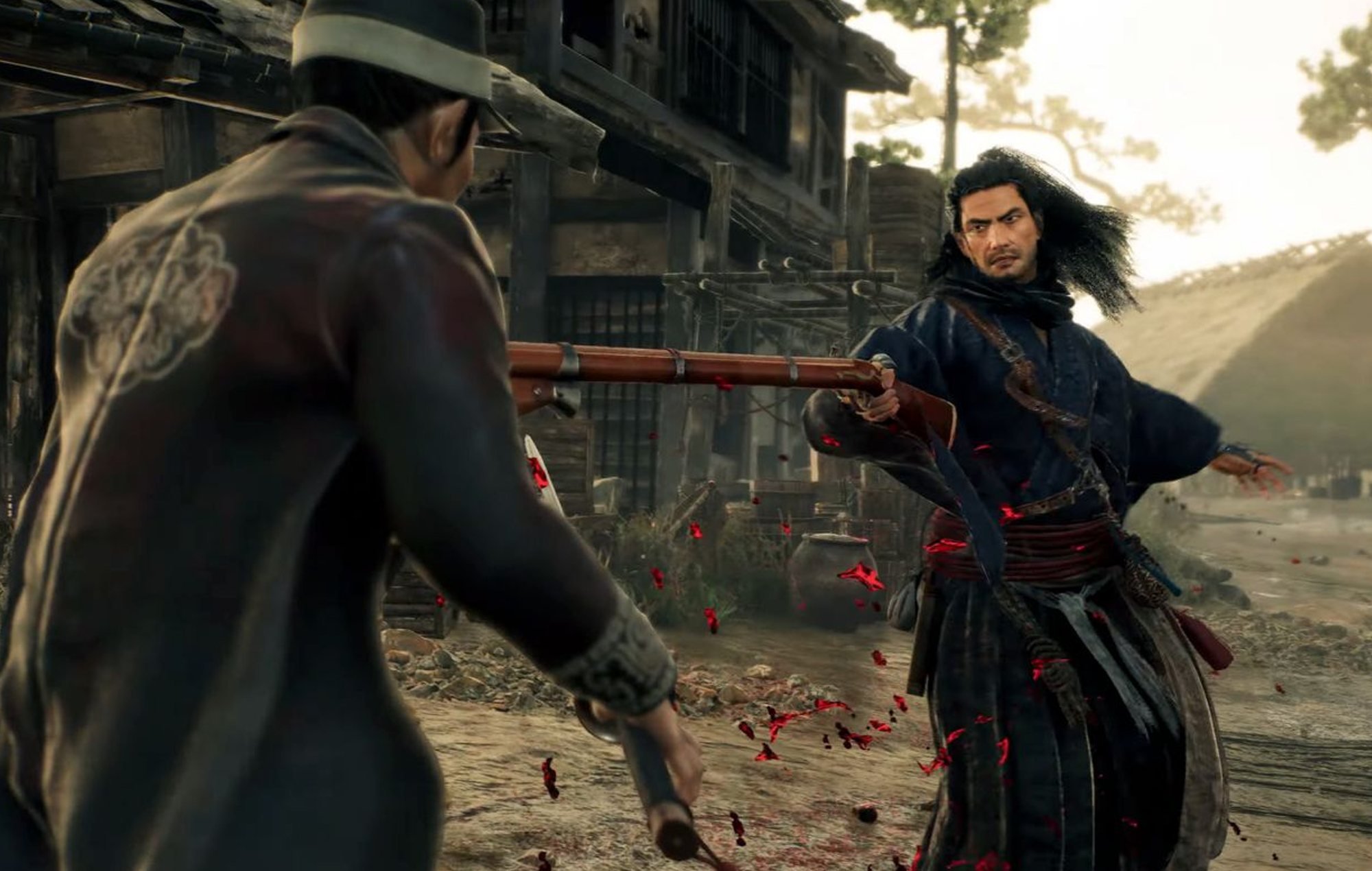
No, Rise of the Ronin is not a Souls game, though it shares some similarities in combat difficulty.
The gaming community buzzes with questions about new releases, and one that keeps popping up is: is rise of the ronin a souls game? The combat looks challenging, sparking comparisons to FromSoftware’s iconic titles. Many want to know if it’s going to deliver that same type of grueling experience.
While there are some challenging fights, Rise of the Ronin has its own distinct identity, setting itself apart from the specific mechanics of a Souls game. The open world and combat system have a different feel. It takes inspiration, but doesn’t fully embrace the ‘Souls’ formula.

Is Rise of the Ronin a Souls Game?
The question on everyone’s minds: is Rise of the Ronin another tough-as-nails Souls-like game? It’s easy to see why there’s confusion. The game’s trailers show intense sword fights, challenging enemies, and a focus on precise combat – all hallmarks of the Souls genre. But, while Rise of the Ronin certainly shares some similarities with games like Dark Souls and Elden Ring, it carves its own path. Let’s dive deep into what makes Rise of the Ronin its own beast, exploring its inspirations and where it differs from the Souls formula.
The Souls-like Elements in Rise of the Ronin
First, let’s acknowledge the aspects that might make you think Rise of the Ronin is a Souls game. These common threads help set the stage for how the game feels to play.
Challenging Combat
Just like in a Souls game, you won’t be button-mashing your way to victory in Rise of the Ronin. Enemies are aggressive and can punish mistakes severely. You need to learn their attack patterns, time your dodges and parries, and think strategically about each encounter. It’s not about just wildly swinging your sword; it’s about a careful dance of offense and defense.
Tough Enemies
The standard enemies are no joke. They can quickly whittle down your health if you are not careful. You’ll often find yourself up against multiple opponents, which requires you to manage aggro and use the environment to your advantage. Think of the various knight-like enemies in a Souls game – they’re meant to be taken seriously. Rise of the Ronin carries this philosophy with its own unique flavor.
Stamina Management
A big part of Souls games is managing your stamina, and Rise of the Ronin has its own version. Each action you take – attacking, dodging, blocking – drains your Ki (the game’s equivalent of stamina). If your Ki depletes, you will be left vulnerable. Therefore, you must carefully manage your actions and your Ki. You can’t just spam attacks; you need to time them and know when to retreat and recover.
Precise Timing & Parrying
Parrying is an important part of the combat system. Getting the timing of a parry just right can turn the tide of a battle and open up enemies for a critical strike, just like the ripostes in Souls games. It encourages active and careful engagement instead of just trading blows. This mechanic pushes you to become proficient in predicting enemy attacks rather than just reacting to them.
Exploration Rewards
Just like in Souls games, exploring the world in Rise of the Ronin is encouraged. You will find hidden chests, new items, and side quests tucked away in corners. Taking time to venture off the beaten path is often worth the reward.
Where Rise of the Ronin Diverges from the Souls Formula
Now that we have gone over the similarities, it’s important to see where Rise of the Ronin creates its own identity. While the game borrows inspiration, it does not blindly copy the Souls formula.
Open World Structure
Unlike the interconnected world of Dark Souls or the seamless open world of Elden Ring, Rise of the Ronin takes place in a large open world map. You are free to move through different regions, and choose which activities to pursue. You’re not restricted to a linear path or one massive connected area. The world is divided into districts, and there are fast travel points to move between them, this is far more similar to Ghost of Tsushima or Assassin’s Creed than Dark Souls.
Story Emphasis
Souls games are known for their cryptic storylines and hidden lore. Rise of the Ronin, on the other hand, focuses on a more straightforward narrative. You have a defined role, and the story is told through cutscenes and dialogue. The game isn’t just about combat; it’s also about a historical drama. It focuses on the events surrounding the end of the Bakumatsu era in Japan. You have choices to make that will affect your story and relationships, something that goes against the very premise of most Souls games.
Character Customization and Skill Trees
While Souls games offer a level of character customization, it is often limited to stats. In Rise of the Ronin, you have access to detailed character customization options and expansive skill trees. You can choose different fighting styles, skills, and abilities to tailor your character’s playstyle to your liking. This provides a deeper layer of RPG elements beyond what is found in most Souls games.
Less Emphasis on Death Penalty
Souls games are notorious for their punishing death mechanics. Losing souls or runes upon death adds to the tension and sense of risk. Rise of the Ronin is far less punishing. When you die, you respawn at a nearby checkpoint. There are no big penalties to worry about, which makes the game more accessible.
Companion System
You won’t be alone in Rise of the Ronin. You can team up with NPC companions. While these companions don’t change the core combat, they can be helpful in certain situations, and it gives another layer to your interaction with other characters. This ability to fight alongside others differs from the single-player focus of most Souls games.
Difficulty Options
Souls games are known for their consistent, high level of difficulty. In Rise of the Ronin, you can choose between different difficulty levels. This lets you customize the challenge to your liking, making the game more approachable for new players. Souls games usually let you make the game more difficult (via a New Game Plus or similar), but most of the time, there aren’t options to make the game easier. This simple inclusion lets Rise of the Ronin stand out even more.
Combat Deep Dive
Different Combat Styles
In Rise of the Ronin, you have a variety of combat styles, each with its own moves, strengths, and weaknesses. Learning which styles work best for different situations is key to success. For example, you might prefer a fast-paced katana style for smaller enemies, while a heavier, slower style might be more effective against larger ones.
Ki Management in Detail
Ki is very important in Rise of the Ronin. When you run out of Ki, you can be easily stunned, leaving you open to attacks. Therefore, careful Ki management is crucial. There are multiple ways to recover your Ki, like dodging and using items. You have to learn which method works best and use them often to make sure your Ki is always stable.
The Role of Parrying and Guarding
Mastering parrying is necessary to excel in combat. A successful parry not only negates damage but also can stagger your opponent, creating an opening for a counterattack. Guarding is also important, but it will drain your Ki, so it’s better to parry when possible. Knowing the right time to parry instead of guard or dodge is part of the learning process.
Enemy Variety and Behavior
Rise of the Ronin offers a wide range of enemies. They each have unique attack patterns, strengths, and weaknesses. Some enemies will be fast and agile, while others might be slow but pack a powerful punch. Learning the nuances of each enemy is vital to your survival.
World and Exploration
Open World Traversal
The large world map allows for free exploration. You can use your horse and grappling hook to get around. This encourages a feeling of freedom and allows you to discover side quests, secrets, and hidden locations. Unlike Souls games where progression is often linear, Rise of the Ronin lets you set your own course.
Side Quests and Activities
The game has many side quests. These can vary from simple fetch quests to complex combat challenges. You also can take on open-world activities like bandit camps and challenges, these encourage more exploration and add more content to the game. Completing these side quests helps you build your character and learn more about the world.
Hidden Locations and Rewards
The world is full of hidden locations and rewards. You can find rare items, special equipment, and challenging mini-bosses hidden off the beaten path. Exploring thoroughly can lead to substantial rewards and provide you with an edge in combat.
Story and Narrative
Historical Setting
Set during the Bakumatsu era in Japan, the story involves real historical figures and events, which adds historical context and an interesting layer of depth to the game. It is a more accessible and direct story than most Souls games, making it easier for players to engage with the narrative.
Character Interactions and Choices
The game provides you with opportunities to develop relationships with other characters. Your choices during these interactions can have a meaningful impact on the story. The presence of choices is very different from Souls games, which traditionally have little to no character choices.
Thematic Elements
Rise of the Ronin explores themes of loyalty, betrayal, and the clash of tradition with change. This lends itself to the more grounded approach the game is taking. The thematic elements add more emotional weight and make the story more engaging.
The Final Verdict
While Rise of the Ronin borrows some elements from Souls games, such as its challenging combat and focus on timing and precision, it is ultimately not a Souls-like game. Its open-world design, story focus, character customization, and less punishing death mechanics set it apart from the Souls formula. It’s more accurate to say that Rise of the Ronin is an action RPG with Souls-inspired combat mechanics rather than a full-fledged Souls-like game. So, while fans of FromSoftware’s titles might find aspects they enjoy here, they should come into the game expecting a different experience.
Rise of the Ronin is a game that aims to create its own unique identity by melding some mechanics of the Souls-like genre with a more open world and story focused formula. This provides a fresh experience that makes the game more approachable for a wider audience, while providing the depth of a complex combat system for those looking for a challenge. While there are similarities, those similarities do not make this a Souls game.
RISE OF THE RONIN’: SOULS-LIKE OR NOT? THE TRUTH!
Final Thoughts
Rise of the Ronin incorporates challenging combat, but it isn’t strictly a Souls game. It shares some similarities such as deliberate fights and punishing death. It however also has a more open world.
The game features easier difficulty options than a typical Souls-like. The core experience differs from the Souls formula. So while challenging, the answer to ‘is rise of the ronin a souls game’ is no, it is not.

