
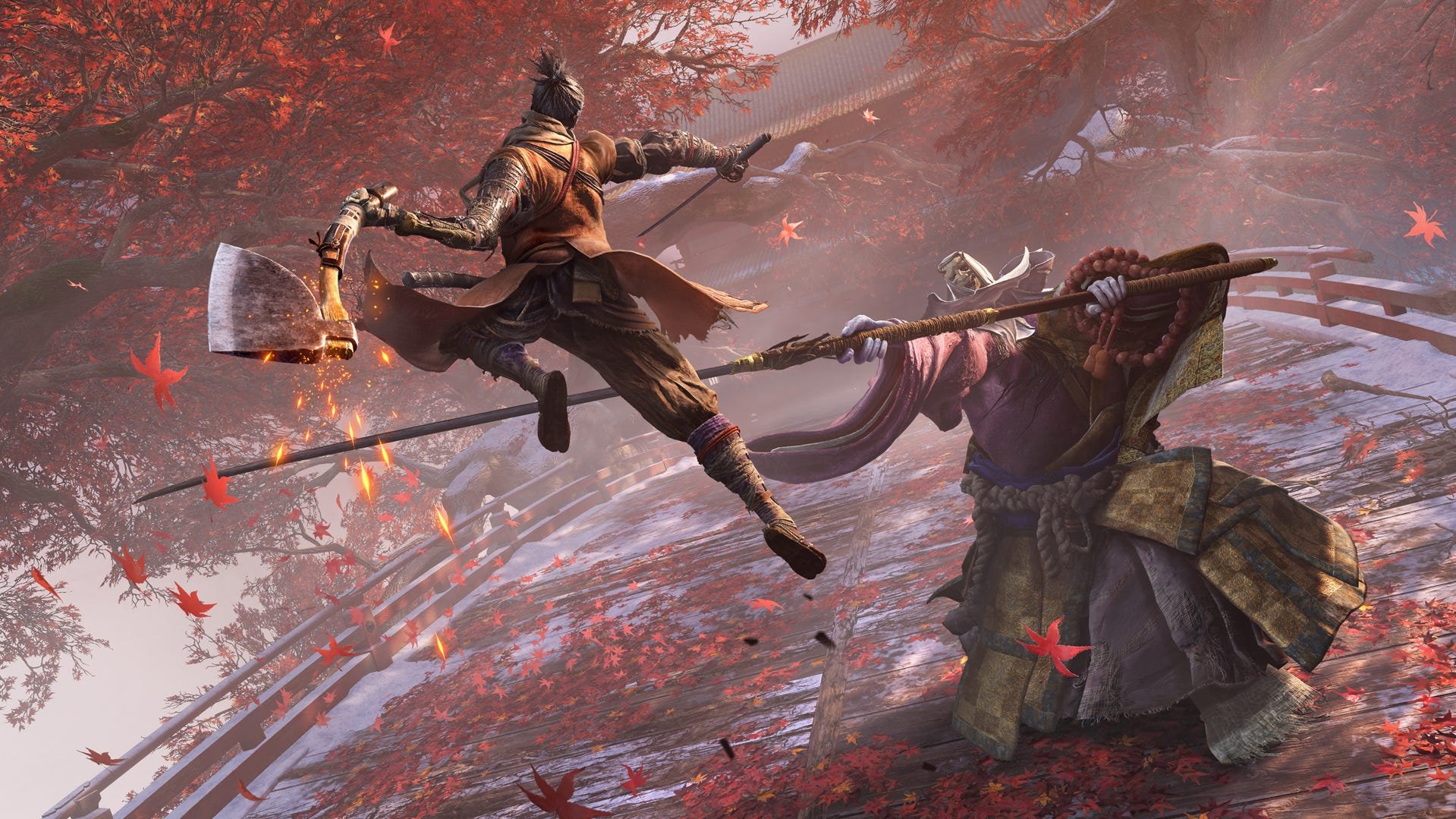
Yes, Sekiro is a good game, offering a challenging yet rewarding action experience with unique combat mechanics.
The question of “is Sekiro a good game” often arises among players. Many find its demanding nature and parry-focused gameplay both thrilling and engaging. It’s a title that pushes you to improve your skills, providing intense boss encounters.
The game’s setting and storytelling also contribute to its appeal. It tells a memorable story. Players who appreciate difficult games find much to enjoy here.

Is Sekiro a Good Game? A Deep Dive into the Shinobi Adventure
So, you’re wondering if Sekiro: Shadows Die Twice is a game worth playing? It’s a question many gamers ask, given its reputation for being challenging and unique. Let’s break down what makes Sekiro stand out, and see if it’s the right game for you.
What Makes Sekiro Different?
Unlike many action games where you hack and slash your way through hordes of enemies, Sekiro asks for something different. It demands patience, precision, and a whole lot of learning. Here’s why:
The Posture System: A Dance of Deflection
Forget simply whacking away at enemy health bars. In Sekiro, you’ll primarily be focused on breaking their posture. Every enemy, from the smallest swordsman to the biggest ogre, has a posture gauge. When it fills up, they’re left vulnerable to a deathblow. How do you fill this gauge? By perfectly timing your blocks and deflections! Imagine a sword fight where every parry matters – that’s Sekiro. You’re not just mindlessly attacking; you’re engaging in a calculated back-and-forth, feeling every clash of steel.
How Deflection Works
Deflection isn’t just about blocking. It’s about timing your block just as the enemy’s attack connects with your sword. A successful deflection not only prevents damage but also builds up the enemy’s posture meter more quickly. It becomes a satisfying mini-game within the larger fight. The better you get at deflecting, the more in control you feel, even when facing the toughest foes. This changes the whole idea of combat, turning it into a rhythm-based puzzle, rather than a hack and slash fest. For players accustomed to dodging and rolling this might take some time getting used to.
Aggression is Key
Don’t think that you can just stand back and block every attack. Sekiro encourages you to be aggressive. A key part of breaking enemy posture is keeping the pressure on. If you give your opponent too much breathing room, they’ll recover their posture, making the fight much harder. The game is about finding the perfect balance between attack and defense, forcing you to stay engaged.
Verticality and Movement
Sekiro isn’t stuck to the ground. Wolf, the main character, has a grappling hook that lets you quickly move around, swing between buildings and scale tall structures. This makes exploring the game world not just about walking from place to place, but about using the environment in unique ways.
- Grappling Hook: Use it to quickly get the upper hand, bypass dangerous areas, or reach hidden items.
- Wall Jumping: Combine jumps with wall kicks to reach platforms, get around enemies and find your way.
- Stealth: Use rooftops and shadows to sneak past enemies or get the drop on them.
The Resurrection Mechanic
As the title suggests, Wolf has the power to come back from death—at least once per life. This “resurrection” gives you a second chance if you make a mistake, but it comes with a price. It makes players push their limits and try different combat strategies. If you find yourself dying constantly, maybe you need to analyze how enemies move, or if you need to rethink your approach, but this also gives you the chance to learn from your errors without having to go back to a save point and start all over again. You cannot just rely on resurrection and keep dying, because after resurrecting you need to beat the opponent without dying. Dying too much makes the game harder.
Is Sekiro’s Difficulty Overrated?
Let’s get to the elephant in the room: the game’s difficulty. Yes, Sekiro is hard. It doesn’t hold your hand, and it expects you to learn its systems. But is it unfair? Most players would say no. The difficulty comes from the need to understand and adapt to the combat system. It is not about button mashing. It rewards careful observation, timing, and, most of all, patience. It’s a different kind of challenge, and many feel it is more rewarding than many other games out there. Here’s a comparison of Sekiro’s difficulty with other games:
| Game | Type of Difficulty | Focus |
|---|---|---|
| Sekiro | High learning curve | Precision and timing |
| Dark Souls | Punishing and exploration | Strategic combat and knowledge |
| Elden Ring | Open world and difficult bosses | Flexibility and exploration |
| Ninja Gaiden | Fast paced and combo focused | Speed, precision and reflexes |
The Learning Curve
Initially, you may die a lot and get frustrated. You will likely fail again and again while battling certain bosses, but the game offers ample tools and opportunities to grow. Don’t expect to breeze through Sekiro, it’s a game that requires you to truly learn and feel the improvements you are making. It is all about learning from mistakes. With each death, you will understand the enemy’s pattern or find a new technique. Over time, the hard fights will start feeling natural.
Common Mistakes Players Make
- Trying to play it like a Dark Souls game, with dodging instead of deflecting.
- Being too passive in combat, giving the enemy room to recover their posture.
- Ignoring the prosthetic tools, which are designed to help in combat.
- Rushing into fights without first observing enemy behavior.
Why People Love Sekiro
Despite its difficulty, Sekiro has captured the hearts of many gamers. Here’s why:
A Satisfying Combat System
The sword combat is at the heart of Sekiro. It’s rhythmic, engaging, and incredibly rewarding when you “get it.” Few games provide such a strong feeling of mastery over your character’s abilities. When you successfully deflect a flurry of attacks and break through an enemy’s defenses, it’s an amazing feeling. The clang of steel, the spark of fire, and the flowing movements are all part of a beautiful and deadly dance.
A Unique World and Story
Sekiro transports you to a fantastical version of Japan during the Sengoku period. It features feudal castles, serene bamboo forests, and mystical temples. Each location is packed with detail and hidden secrets, which make exploration enjoyable. The story, focusing on themes of loyalty and immortality, is both engaging and intriguing. Though it is somewhat told through item descriptions and environment details, like other FromSoftware titles, it is deeply rewarding when piecing the narrative together.
The Sense of Progression
Sekiro isn’t about simply leveling up stats. It’s about you, the player, getting better at the game’s mechanics. You’ll learn new techniques, perfect your timings, and come to understand the nuances of each enemy. This progress gives you a deep sense of accomplishment, and it makes every boss you beat feel like a personal victory. You’re not just increasing numbers; you are actually developing genuine skill.
Boss Fights that are Epic
The boss fights in Sekiro are where the game truly shines. Each one is a memorable experience, testing everything you’ve learned up to that point. From dueling with a skilled swordsman to taking down a monstrous creature, every boss fight has its own unique feel, style and design. They are not just walls you must break, but also challenging puzzles that you need to analyze. The variety and quality of boss fights are definitely some of the game’s high points.
Is Sekiro Right for You?
Let’s break down the type of player who might enjoy Sekiro:
You Might Love Sekiro If:
- You enjoy challenging games that demand mastery.
- You like games that reward careful observation and timing.
- You appreciate a good combat system with depth.
- You’re fascinated by Japanese settings and mythos.
- You enjoy a sense of accomplishment through overcoming difficulty.
You Might Not Enjoy Sekiro If:
- You prefer easy and casual games.
- You don’t like games that demand patience and practice.
- You get frustrated easily by frequent deaths.
- You prefer lots of character customization.
- You dislike games that require you to learn a complex system.
Key Features of Sekiro
- Unique Combat: Deflection-based system that requires precision.
- Vertical Movement: Grappling hook and wall jumps for dynamic exploration.
- Resurrection Mechanic: Second chance at life with a cost.
- No Leveling Up: Player skill is the main form of progression.
- Intricate World Design: Beautiful and detailed environments.
- Epic Boss Battles: Memorable encounters that test your skills.
Is Sekiro a Good Game: Final Thoughts
Sekiro: Shadows Die Twice isn’t a game for everyone, but it’s an excellent game for those who enjoy a challenging and rewarding experience. It’s different, unique, and a lot of fun. It demands a new type of combat. While it’s challenging, that challenge is also where much of its appeal lies. If you’re ready to learn something new and put in the effort, you might find yourself with a new favorite game. It is a true test of skill and patience and that is what makes it so satisfying.
Is Sekiro a Good First Souls-Like Game?
Final Thoughts
Sekiro presents a challenging combat system requiring precise timing and deflections. The unique resurrection mechanic adds a layer of strategy. It’s a demanding experience that rewards persistence and patience.
The stunning environments and compelling lore are strong aspects. Each enemy encounter forces you to adapt your tactics. The sense of accomplishment after overcoming a difficult boss is great.
Ultimately, is Sekiro a good game? Absolutely. Its demanding gameplay and unique design make it a must-play for those seeking a rewarding, if difficult, experience.

