
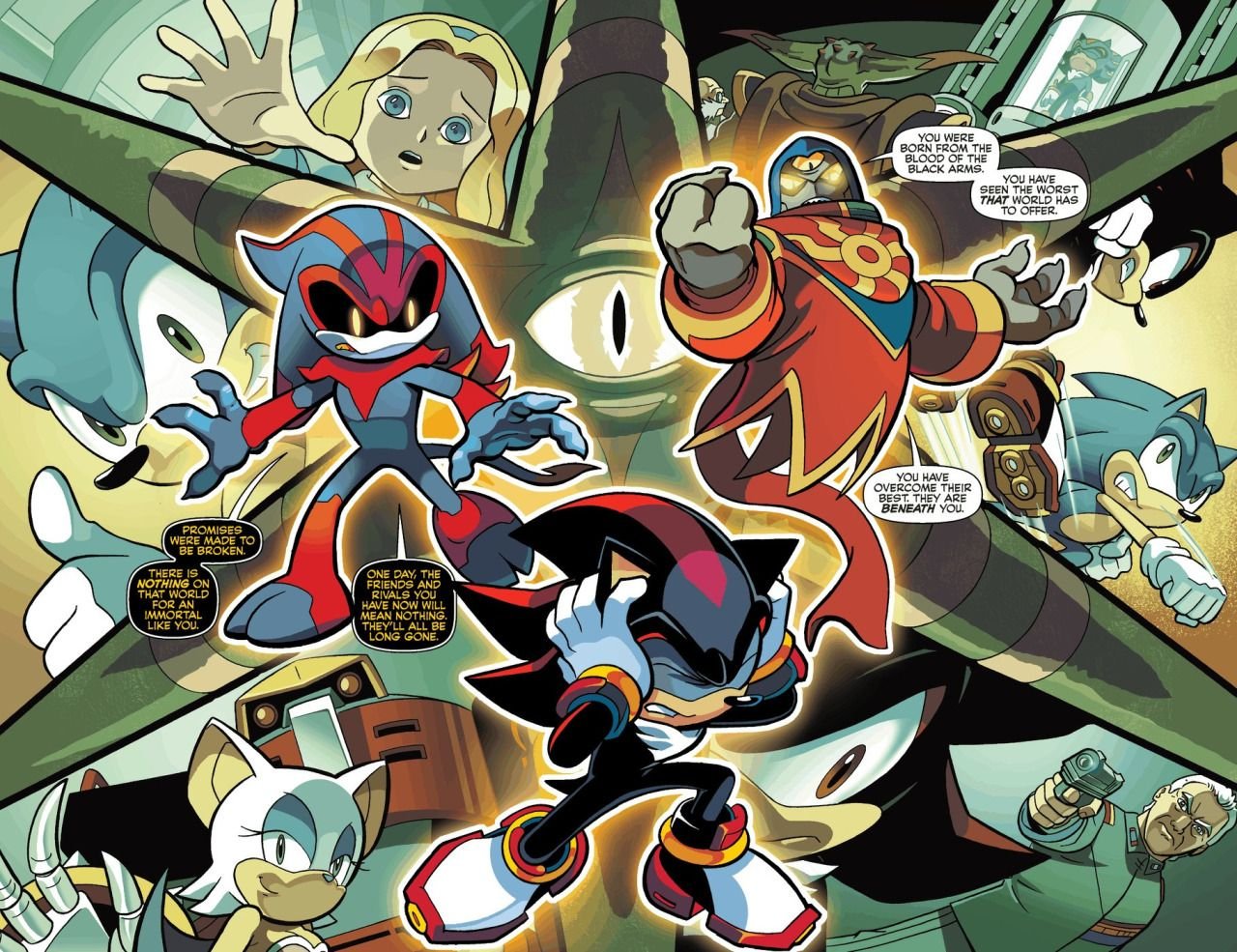
Yes, the Shadow the Hedgehog game is generally considered canon within the main Sonic the Hedgehog storyline, despite its darker tone and gameplay differences.
So, you’ve been pondering the big question: is Shadow the Hedgehog game canon? It’s a thought that crosses many minds within the Sonic fandom. The game certainly stands apart from others in the series with its emphasis on firearms and branching narratives.
Its unique gameplay and darker themes make one wonder if it sits properly within the primary timeline. However, despite its outlier status, most official sources treat it as part of the established Sonic universe. The events in the game have impact on other titles, making it a relevant story.

Is Shadow the Hedgehog Game Canon? A Deep Dive
Alright, Sonic fans! Let’s talk about something that’s caused more debates than whether chili dogs are the perfect food: Is Shadow the Hedgehog (the game, not the character) actually a part of the main Sonic timeline? This question isn’t as easy as a simple “yes” or “no.” It’s a complicated web of game plots, character arcs, and a whole lot of speculation. We’re going to dig deep into the evidence to see if we can figure out where this edgy adventure fits in the Sonic universe.
Understanding “Canon” in the Sonic Universe
Before we get into the specifics of Shadow the Hedgehog, we need to talk about what “canon” even means. In simple terms, canon refers to the official storyline, the stuff that’s considered the ‘real’ story by the creators. The Sonic universe isn’t always super straightforward with its storytelling. Sometimes, games are more connected than others. Some stories are clearly meant to build on previous ones, while others feel like they’re doing their own thing. This makes the “is it canon?” question a tricky one to answer. The series has evolved over the years, and not every game perfectly fits into a single, consistent narrative. We need to look at how the games themselves link up.
The Problematic Nature of Shadow the Hedgehog
The Shadow the Hedgehog game is unique. Unlike most Sonic games that focus on speed and platforming, this game includes gun combat, vehicles, and a branching story. You might even say it’s a bit… dark. It has multiple endings depending on the player’s choices. This is a big problem when we try to slot it into a single timeline. How can multiple, often conflicting, endings all be part of the same official storyline?
Key Elements of Contention
Let’s go through the big things that make people question the game’s canonicity:
- Multiple Endings: The game has a whopping ten different endings. These endings are vastly different. Shadow could end up destroying the world, saving it, working with Dr. Eggman, or even joining the Black Arms, it depends on your decisions. This branching narrative makes it impossible for all the endings to be true at the same time.
- The Tone: The game’s much darker tone with violence and mature themes sharply contrasts with the generally lighthearted atmosphere of most Sonic games. This change in tone feels out of place to many fans.
- Shadow’s Character: Shadow’s character acts differently than in other games. He’s angrier and more prone to violence. This doesn’t match how Shadow is portrayed before and after this game, creating a disconnect.
- The Gunplay: Sonic and guns just don’t usually go together. The heavy use of firearms and military themes feels at odds with the series’ typical fast-paced platforming and colorful world.
Arguments for Shadow the Hedgehog Being Canon
Despite all the issues, some arguments suggest that at least parts of the game are canonical.
- Introduction of Key Characters and Concepts: The game introduces the Black Arms and its leader, Black Doom. Black Doom becomes important in later games and lore. These elements can be argued as part of the larger narrative. Some fans believe that the events in the game, regardless of the specific ending chosen, still happened in some form to create background for these characters and elements.
- Shadow’s Personal Development: Although Shadow is more violent, some argue that his emotional journey in the game has some impact on his growth as a character even if the specific decisions you make are not in the true canon timeline. His confusion and conflict with his memories and identity can be seen as character development.
- The ‘True’ Ending Theory: Some fans believe that one particular ending, the “Last Story” ending where Shadow understands his purpose and destroys the Black Comet, is the true canon ending and any other ending are non-canon, making the game have a single canon, even if most of the endings don’t fit.
The Role of Game Directors and Writers
Here’s another tricky thing. Sometimes the creators of the games have different views about what’s canon. What the writers intended and what actually makes it to the game might be different things. What the game director considered as canon, might be different for another person who worked on different Sonic games, it can vary. The general consensus from those that work on the games now seems to suggest that Shadow the Hedgehog is more of a spin-off than a core part of the main timeline. However, some story elements are considered a part of Shadow’s back story and are important to the character.
How Subsequent Games Treat Shadow the Hedgehog
How do other games treat Shadow the Hedgehog? This is a key point. If later games completely ignore the events of a game, it’s a pretty good indication that it might not be fully canon. So, let’s look at the evidence:
- Limited References: Direct references to the specific events of Shadow the Hedgehog are rare in later games. This indicates it’s not treated as a significant plot point in the main timeline. We see the Black Arms mentioned occasionally, but never in a way that suggests Shadow’s decisions in the game were a major factor.
- Shadow’s Personality: After Shadow the Hedgehog, Shadow’s personality seems to revert back to his more cool and collected persona. There isn’t a continued focus on his more aggressive side shown in that specific game.
- No Clear Continuation: No other Sonic games have directly continued the multiple storylines presented in Shadow the Hedgehog. Instead they take a more linear approach. This further adds evidence to its questionable position in the timeline.
Fan Theories and Speculation
The debate over the canonicity of Shadow the Hedgehog has led to some fascinating fan theories. Here are a couple of the most popular:
The “Dream” or “What If” Scenario Theory
Some fans suggest that the entire game could be a dream or a “what if” scenario. This theory allows the game to exist without disturbing the main timeline. Maybe all the crazy endings and decisions are just possible outcomes. These aren’t actually part of the main canon.
The “Selectively Canon” Theory
Another popular theory is that some elements from Shadow the Hedgehog are canon, but not all of them. The general events of the Black Arms attacking and Shadow figuring out his past are true. But the specific choices players made and the different endings are not. Only the general plot points that are used in later games are actually canon.
The Impact of the Question
Does it really matter if Shadow the Hedgehog is canon or not? For some fans, absolutely! It impacts how they see the overall story. If a game is not canon, it’s like it never actually happened. But for other fans, the game is a fun experience regardless of where it fits in the timeline. It’s always interesting to explore and debate. At the end of the day, it’s really about how you personally choose to view the game within the broader Sonic universe.
A Timeline Table
To make it a bit clearer, here’s a table showing where different aspects of the game might fit in or not fit in with the known canon. It’s an overall view to get better understanding on the matter:
| Aspect | Likely Canon? | Notes |
|---|---|---|
| Introduction of Black Arms | Yes | They appear in future media |
| Shadow’s Identity Crisis | Yes | Adds layers to his character |
| The Multiple Story Paths | No | Too many conflicting endings |
| Shadow using guns | No | Not shown in other canon games |
| Specific ending chosen | Likely only the “Last Story” ending | Other endings do not seem to have any effect on the canon storyline |
| Dark/Mature themes | No | Contradicts the overall Sonic feel |
So, is Shadow the Hedgehog canon? The short answer is: it’s complicated. The longer answer? It’s likely that some elements of the game are, like the introduction of the Black Arms and some of Shadow’s personal development. However, many of the specific details, and especially the multiple endings, are not considered part of the main canon timeline. The game seems to exist in a gray area, a sort of spin-off that adds to the universe but doesn’t necessarily fit directly into the established story of the main games. Ultimately, it’s up to each fan to decide how they want to view it within the rich tapestry of Sonic stories. It’s certainly a fun game to play with some interesting ideas. Whether it is canon or not, it is important in Sonic’s history.
The CANON Route in Shadow the Hedgehog?
Final Thoughts
The debate around the canonicity of Shadow the Hedgehog remains complex. It introduces elements that conflict with established lore, and some consider it an alternate storyline. However, many see its events as a part of the main timeline.
Ultimately, whether you view Shadow the Hedgehog as canon often depends on personal interpretation. The game does contain must have elements that fit within the wider sonic story and should be considered with a grain of salt. Therefore, deciding if ‘is shadow the hedgehog game canon’ is a matter of preference for many fans.

